Power of Prints 2026: Mixing Patterns Like a Pro
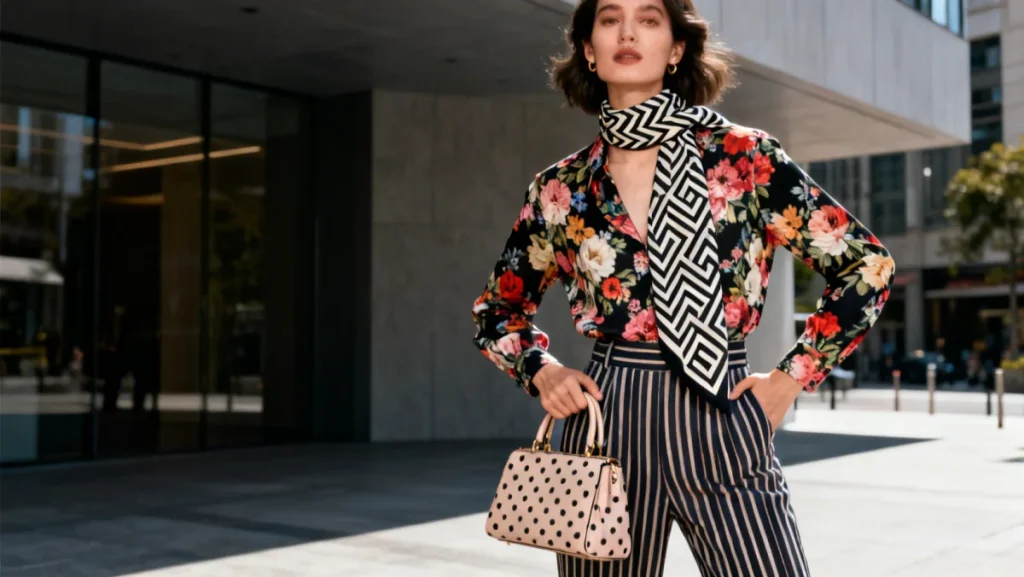
Mastering the art of mixing prints in 2026 involves understanding color harmony, scale, and texture to create cohesive and visually appealing outfits that reflect personal style and current fashion trends.
The fashion landscape of 2026 is vibrant, bold, and unapologetically expressive, with an undeniable emphasis on the transformative potential of prints. If you’ve ever felt intimidated by the idea of combining different patterns, fearing a fashion faux pas, then it’s time to reconsider. This guide to mixing patterns fashion will empower you to navigate the exciting world of prints with confidence and flair, transforming your wardrobe into a canvas of curated creativity.
The evolving landscape of 2026 prints
The year 2026 brings with it a fresh perspective on prints, moving beyond mere trends to embrace a more personalized and artistic approach. Designers are encouraging a playful yet sophisticated dialogue between diverse patterns, challenging conventional rules and opening doors to innovative styling.
Understanding these shifts is crucial for anyone looking to incorporate pattern mixing into their daily attire. It’s no longer about rigidly matching; it’s about harmonizing contrasts and celebrating individuality. From digital-inspired motifs to renewed classic designs, the options are broader than ever before.
Key print trends for 2026
- Digital blur prints: Abstract, gradient patterns that mimic digital art, often in vibrant, saturated colors.
- Reimagined animal prints: Classic leopard, zebra, and snake prints are given new life with unexpected color palettes or exaggerated scales.
- Heritage checks and plaids: Traditional patterns like houndstooth and tartan appear in unconventional pairings or deconstructed forms.
- Botanical grandeur: Large-scale floral and leafy motifs, often with a painterly quality, offering a lush and organic feel.
The essence of 2026 print trends lies in their versatility and the invitation to experiment. By familiarizing yourself with these prevailing aesthetics, you lay the groundwork for successful pattern combinations that feel both current and uniquely yours. The goal is to move beyond simply wearing a print to truly embodying its character within your ensemble.
Foundational principles of pattern mixing
While the idea of mixing patterns might seem daunting, it’s underpinned by several foundational principles that, once understood, make the process intuitive and enjoyable. Think of these as your guiding stars in the vast universe of prints. They provide a framework without stifling creativity, ensuring your mixed-print outfits look intentional and chic, not chaotic.
Color is perhaps the most critical element. A cohesive color palette can instantly unify disparate patterns. This doesn’t mean every color has to match perfectly, but rather that there should be a common thread – a dominant color shared across prints, or a harmonious family of shades that ties them together. Neutral bases also play a significant role, providing a grounding effect for bolder patterns.
Color harmony and scale considerations
When selecting prints, observe the colors present in each. Aim for at least one shared color, or choose prints that belong to the same color family (e.g., various shades of blue, or earthy tones). This creates a visual bridge between patterns, making the combination feel deliberate. Similarly, consider the scale of the prints.
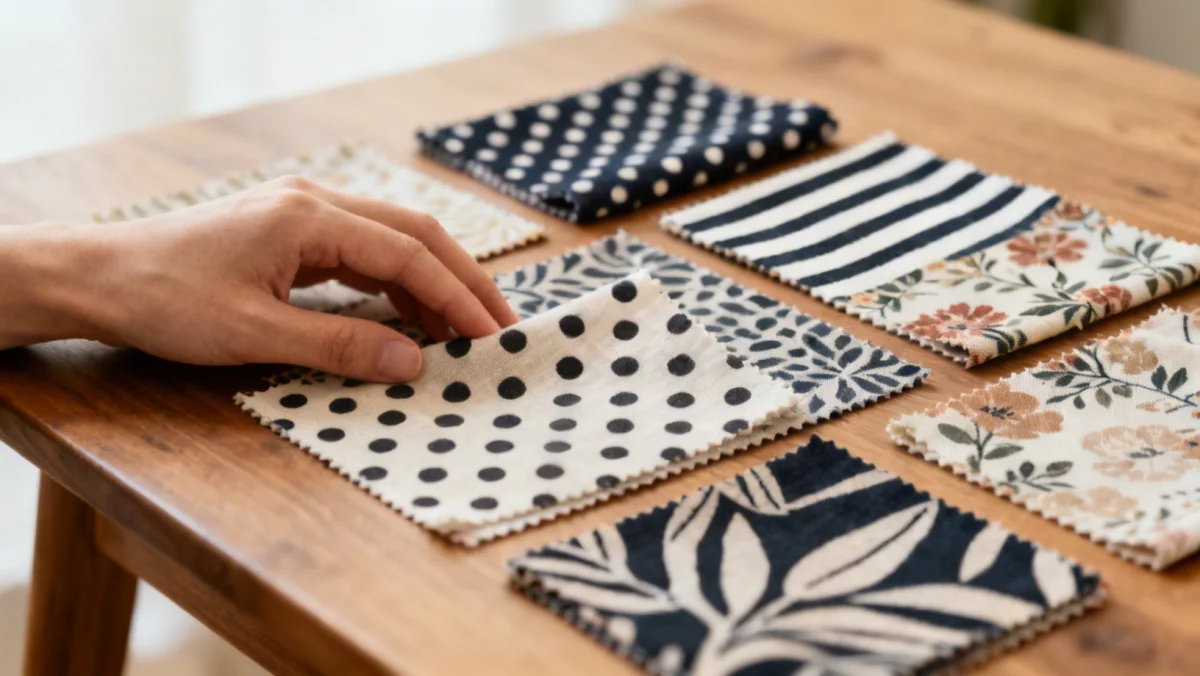
- Varying scale: Combine a large-scale print with a small-scale print. This creates visual interest without overwhelming the eye. For example, a bold floral with a delicate stripe.
- Similar scale, different patterns: If prints are of a similar size, ensure they are distinct enough in their motifs to avoid clashing. A medium polka dot and a medium geometric print can work if their colors align.
- One dominant, one subtle: Let one print be the star of the show, with another print acting as a supporting character, perhaps in a more muted tone or smaller scale.
Another often overlooked aspect is texture. Incorporating different textures can add depth and dimension to your mixed-print outfit, even if the patterns themselves are bold. A silk blouse with a tweed skirt, both printed, offers a rich tactile experience that enhances the visual appeal. These principles are not rigid rules but rather flexible guidelines to help you start your pattern-mixing journey.
Strategic pairings: classic combinations with a 2026 twist
While creativity knows no bounds, some classic pattern combinations have stood the test of time for a reason. In 2026, these pairings are reinterpreted with modern sensibilities, offering fresh ways to approach familiar designs. Understanding these strategic pairings provides a solid foundation before venturing into more experimental territory.
Stripes and florals, for instance, remain a perennial favorite. The linear precision of stripes offers a perfect counterpoint to the organic flow of florals. The 2026 twist might involve combining a vibrant, wide-striped top with a muted, large-scale botanical skirt, or a delicate pinstripe blazer over a bold, digital floral dress. It’s about playing with the intensity and modernity of each print.
Beyond stripes and polka dots
Beyond the well-trodden paths of stripes and polka dots, 2026 encourages exploring more adventurous combinations:
- Geometric and abstract: Pair a sharp geometric print with a fluid, abstract design. The contrast in structure creates dynamic visual interest. Ensure a shared color anchor to maintain cohesion.
- Animal print and plaid: A bold animal print can be surprisingly sophisticated when paired with a classic plaid. The key is to choose one as the dominant print and the other as an accent, perhaps through an accessory.
- Two different florals: This might seem counterintuitive, but combining two distinct floral patterns can be stunning. Opt for florals of different scales or color schemes, perhaps one with a dark background and another with a light one, to create separation.
The beauty of these strategic pairings lies in their adaptability. They offer a starting point, a blueprint that you can then customize with your chosen colors, scales, and textures. Don’t be afraid to experiment with accessories like scarves, shoes, or handbags to introduce a third or fourth print in a smaller dose, adding layers of complexity without overwhelming the look. Remember, the goal is to create a visual story with your outfit.
Accessorizing with prints: the finishing touch
Accessories are often the secret weapon in mastering the art of pattern mixing. They offer a less committal way to introduce prints and can elevate even the simplest outfits. In 2026, printed accessories are taking center stage, acting as powerful statements or subtle harmonizers within an ensemble. From statement scarves to printed footwear and handbags, the options are limitless.
Consider a monochromatic outfit as a blank canvas. Adding a vibrant, multi-patterned scarf can instantly transform the look, injecting personality and color. Similarly, a pair of shoes in an unexpected print can add an element of surprise and modernity. The beauty of accessories is their ability to introduce a print without requiring a full commitment to a printed garment, making them ideal for those new to pattern mixing.
Integrating printed accessories seamlessly
To effectively integrate printed accessories, keep these tips in mind:
- Scarves as focal points: A beautifully printed silk scarf can tie together an outfit by echoing colors from other prints or adding a pop of contrasting pattern.
- Footwear with flair: Printed boots, flats, or heels can introduce a playful or sophisticated print. Ensure they complement the overall color scheme.
- Handbags as statements: A printed handbag can be a standalone statement piece or a bridge between different patterns in your clothing.
The strategic use of printed accessories allows for controlled experimentation. It’s an excellent way to dip your toes into the world of mixing patterns fashion without feeling overwhelmed. A printed belt, for example, can break up a solid-colored dress while subtly introducing another pattern. These small touches demonstrate a keen eye for detail and an understanding of sophisticated styling, reinforcing the idea that thoughtful accessorizing is paramount in 2026 fashion.
Building a versatile printed wardrobe for 2026
Creating a wardrobe that supports effortless pattern mixing in 2026 requires a thoughtful approach to curation. It’s not about accumulating endless printed items, but rather selecting versatile pieces that can be combined in numerous ways. Think strategically about the types of prints you invest in, ensuring they offer both individuality and combinatorial potential.
Start with foundational prints that you love and that resonate with your personal style. This could be a classic stripe, a beloved floral, or a modern geometric. Once you have these core pieces, you can begin to build around them, adding complementary patterns that share a color story or offer a contrasting scale. The goal is to maximize your options with fewer, but well-chosen, items.
Essential printed wardrobe pieces
- Printed blouse or shirt: A versatile piece that can be dressed up or down, easily paired with solid bottoms or other printed items.
- Patterned skirt or trousers: Offers a strong base for mixing, allowing you to pair with a more subtle printed top or a solid.
- Statement printed dress: A standalone piece that can also serve as a canvas for printed accessories like scarves or jackets.
- Printed outerwear: A blazer, jacket, or coat in a bold print can instantly elevate any outfit and introduce a powerful pattern element.
When building your printed wardrobe, consider the longevity of the prints. While trends are exciting, investing in timeless patterns with a contemporary twist ensures your pieces remain relevant beyond a single season. This approach not only makes pattern mixing more sustainable but also more personally fulfilling, as your wardrobe truly reflects your evolving style identity in 2026.
Confidence is your best accessory: owning your mixed-print look
Ultimately, the most crucial element in successfully mixing patterns is confidence. No matter how perfectly you’ve aligned colors, scales, and textures, an outfit will only truly shine when worn with conviction. Fashion in 2026 is about self-expression, and pattern mixing is a powerful tool for showcasing your unique personality and artistic sensibility.
Embrace the process of experimentation. Some combinations will work beautifully, while others might not. That’s part of the journey. The more you play with different prints and observe how they interact, the more intuitive the process becomes. Don’t be afraid to break a few traditional fashion ‘rules’ – often, the most memorable and stylish looks emerge from unexpected pairings.
Cultivating pattern mixing confidence
To build your confidence in pattern mixing:
- Start small: Begin by pairing a printed top with a printed accessory, or two prints that share a dominant color.
- Seek inspiration: Look to fashion magazines, social media, and street style for ideas on how others are mixing prints. Adapt what you like to your own style.
- Trust your intuition: If an outfit feels good and looks balanced to you, that’s often the most important indicator of success.
- Practice in front of the mirror: Spend time trying on different combinations. This hands-on experience is invaluable for developing your eye.
Remember, fashion is meant to be fun. The 2026 power of prints invites you to step out of your comfort zone and explore new dimensions of your personal style. By approaching mixing patterns fashion with an open mind and a dash of daring, you’ll not only create stunning outfits but also project an aura of self-assured style that is truly captivating. Your confidence is the ultimate print that ties every pattern together.
| Key Principle | Brief Description |
|---|---|
| Color Harmony | Ensure prints share at least one common color or belong to the same color family for cohesion. |
| Varying Scale | Combine large-scale prints with small-scale prints to create visual interest and avoid clashes. |
| Texture Integration | Add depth by mixing prints on fabrics with different textures, enriching the overall look. |
| Strategic Accessorizing | Use printed accessories to introduce patterns subtly or to tie together diverse elements of an outfit. |
Frequently asked questions about mixing patterns
The most important rule for successful pattern mixing is to ensure a common thread, usually a shared color or a harmonious color palette, ties the different prints together. This creates visual cohesion, making the outfit look intentional rather than haphazard, irrespective of the patterns’ styles or scales.
Yes, absolutely! Mixing three or more prints is achievable, often seen in advanced pattern mixing. The key is to vary the scale and ensure color harmony. You might use two larger prints and introduce a third smaller print through an accessory like a scarf or a belt to maintain balance and avoid overwhelming the eye.
Begin by pairing a simple, classic print (like stripes or polka dots) with a more complex one (like a floral or geometric design). Ensure they share a common color. Alternatively, start with one printed garment and add a printed accessory, such as a scarf or shoes, to ease into the trend.
While fashion is increasingly about breaking rules, it’s generally advisable to avoid mixing two very busy prints of similar scale and color intensity without a grounding element. This can create a chaotic look. Focus on balancing busy prints with more subdued ones or using a solid color to break them up.
Texture plays a crucial role in adding depth and dimension to mixed-print outfits. Combining different fabric textures, such as a printed silk blouse with printed tweed trousers, can make the ensemble more visually interesting and luxurious, even if the patterns are similar in color or scale. It enhances the overall tactile and visual experience.
Conclusion
The 2026 fashion landscape is a testament to individuality and creative expression, with pattern mixing standing out as a powerful tool for personal style. By understanding the foundational principles of color harmony, scale, and texture, and by strategically integrating both garments and accessories, anyone can master the art of combining prints. This guide has provided a pathway to confidently embrace the dynamic world of patterned fashion, encouraging experimentation and a celebration of unique aesthetic choices. Ultimately, the most stylish mixed-print looks are those worn with genuine confidence, reflecting the wearer’s personality and daring spirit. Step into 2026 with an open mind and a bold heart, ready to transform your wardrobe and express your true self through the captivating power of prints.