Sustainable Fashion Trends 2026: An Insider’s Guide to Eco-Chic Style
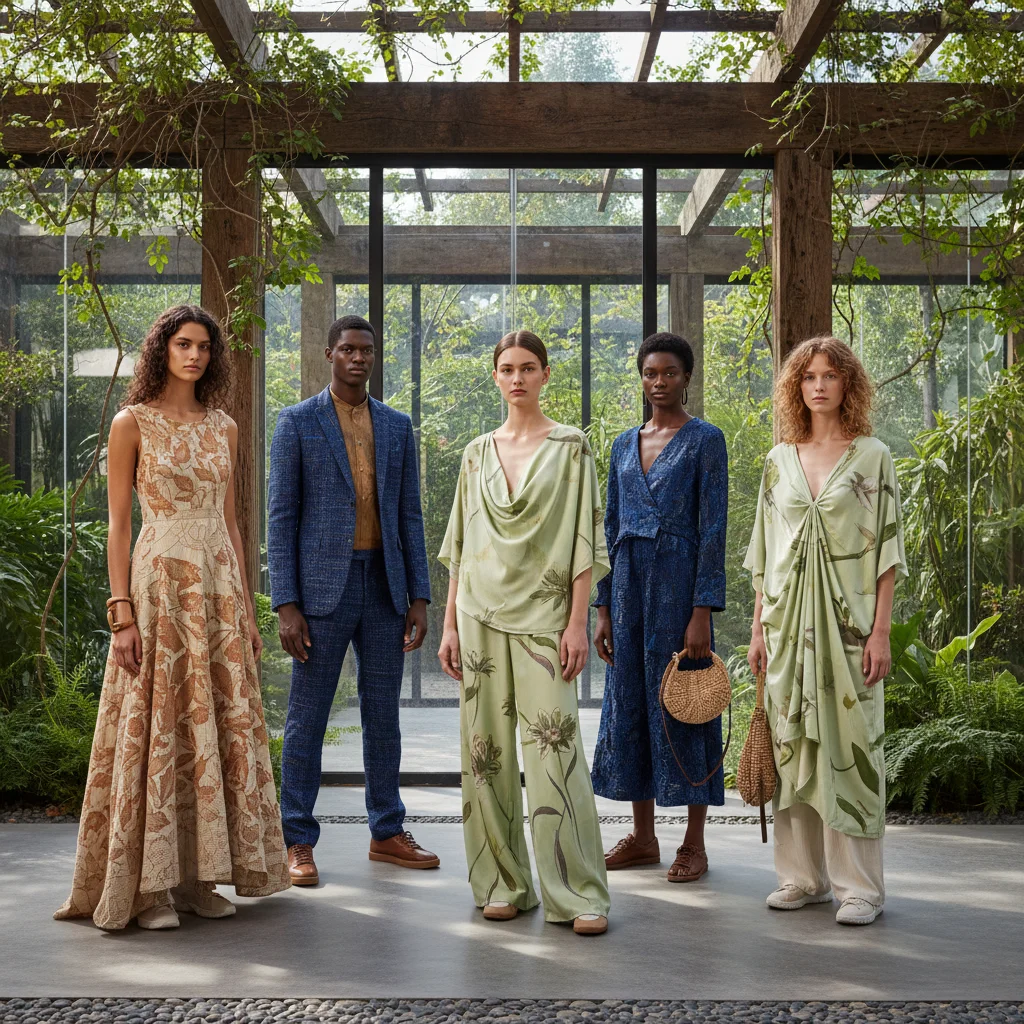
The sustainable fashion trends 2026 will prioritize innovative material science, circular production models, and enhanced transparency, fundamentally transforming consumer choices towards eco-conscious and ethically produced garments.
The fashion industry is undergoing a significant transformation, with sustainability at its core. As we approach 2026, understanding the nuances of sustainable fashion trends 2026 becomes crucial for both consumers and industry professionals. This guide delves into the most impactful movements shaping eco-chic style, offering an insider’s perspective on what to expect.
The rise of biomaterials and regenerative agriculture
The future of fashion is increasingly rooted in nature, moving beyond conventional organic cotton to embrace truly revolutionary materials. Biomaterials, derived from living organisms, and fabrics cultivated through regenerative agricultural practices are setting new standards for environmental responsibility.
Innovation in bio-based textiles
As research and development in textile science accelerate, we are seeing an explosion of bio-based textiles that offer both performance and planet-friendliness. These innovations are not just about reducing harm but actively contributing to ecological restoration.
- Mycelium-derived leathers: Fungi-based alternatives to traditional leather are gaining traction, offering a durable, versatile, and biodegradable option that significantly reduces environmental impact.
- Algae and seaweed fabrics: These aquatic resources are being transformed into textiles that are not only sustainable but also offer unique properties like breathability and inherent softness.
- Agricultural waste materials: Pineapple leaves, banana stems, and even orange peels are being upcycled into luxurious and functional fabrics, turning waste into valuable resources.
Regenerative agriculture, a holistic farming practice, focuses on improving soil health, biodiversity, and water management. When applied to fiber crops like cotton or hemp, it results in materials that actively heal the planet. This approach ensures that the production of raw materials leaves the land better than it found it, sequestering carbon and enhancing ecosystems.
The integration of biomaterials and regenerative agriculture represents a paradigm shift in fashion. It’s no longer just about less harm, but about active environmental benefit, pushing the boundaries of what sustainable fashion can achieve by 2026.
Circular fashion models: from linear to loop
The traditional linear model of ‘take, make, dispose’ is rapidly being replaced by circular economy principles within the fashion industry. By 2026, circularity will be a cornerstone of sustainable practices, focusing on keeping resources in use for as long as possible.
This shift involves designing products for longevity, ease of repair, and eventual recycling or composting. It fundamentally rethinks the lifecycle of a garment, aiming to eliminate waste and pollution from the outset.
Redefining product lifecycles
The emphasis on circularity means that designers are now considering the end-of-life of a garment even before it’s created. This involves material selection, construction techniques, and business models that support reuse and recycling.
- Design for disassembly: Garments are being designed with components that can be easily separated for recycling, avoiding mixed materials that complicate the process.
- Extended product warranties and repair services: Brands are increasingly offering repair services and guarantees, encouraging consumers to extend the life of their clothing.
- Textile recycling infrastructure: Investment in advanced textile recycling technologies is crucial, enabling old garments to be broken down and regenerated into new fibers.
Rental and resale platforms are flourishing, providing consumers with alternative ways to access fashion without contributing to overproduction. These models promote shared consumption and give garments multiple lives, reducing the demand for new items. The move towards a circular fashion economy is not just an environmental imperative but also an economic opportunity, fostering innovation and new business models that will be prominent in the sustainable fashion landscape of 2026.
Transparency and traceability in the supply chain
Consumers in 2026 will demand unprecedented levels of transparency from fashion brands. Knowing the journey of a garment, from raw material to retail shelf, is becoming a fundamental expectation, driving brands to implement robust traceability systems.
This trend is about building trust and accountability. It addresses concerns about ethical labor practices, environmental impact, and the authenticity of sustainability claims. Brands that can openly share their supply chain data will gain a significant competitive edge.
Leveraging technology for visibility
Advanced technologies are playing a pivotal role in enabling greater transparency. These tools provide consumers and brands with the data needed to make informed decisions and verify ethical sourcing.
- Blockchain technology: Distributed ledger systems offer an immutable record of a garment’s journey, making it nearly impossible to falsify claims about origin, materials, or labor conditions.
- QR codes and digital product passports: Scanning a QR code on a garment can provide instant access to detailed information about its production, including supplier details, environmental certifications, and care instructions.
- Material tracking software: Specialized software helps brands map their entire supply chain, identifying potential risks and ensuring compliance with sustainability standards.
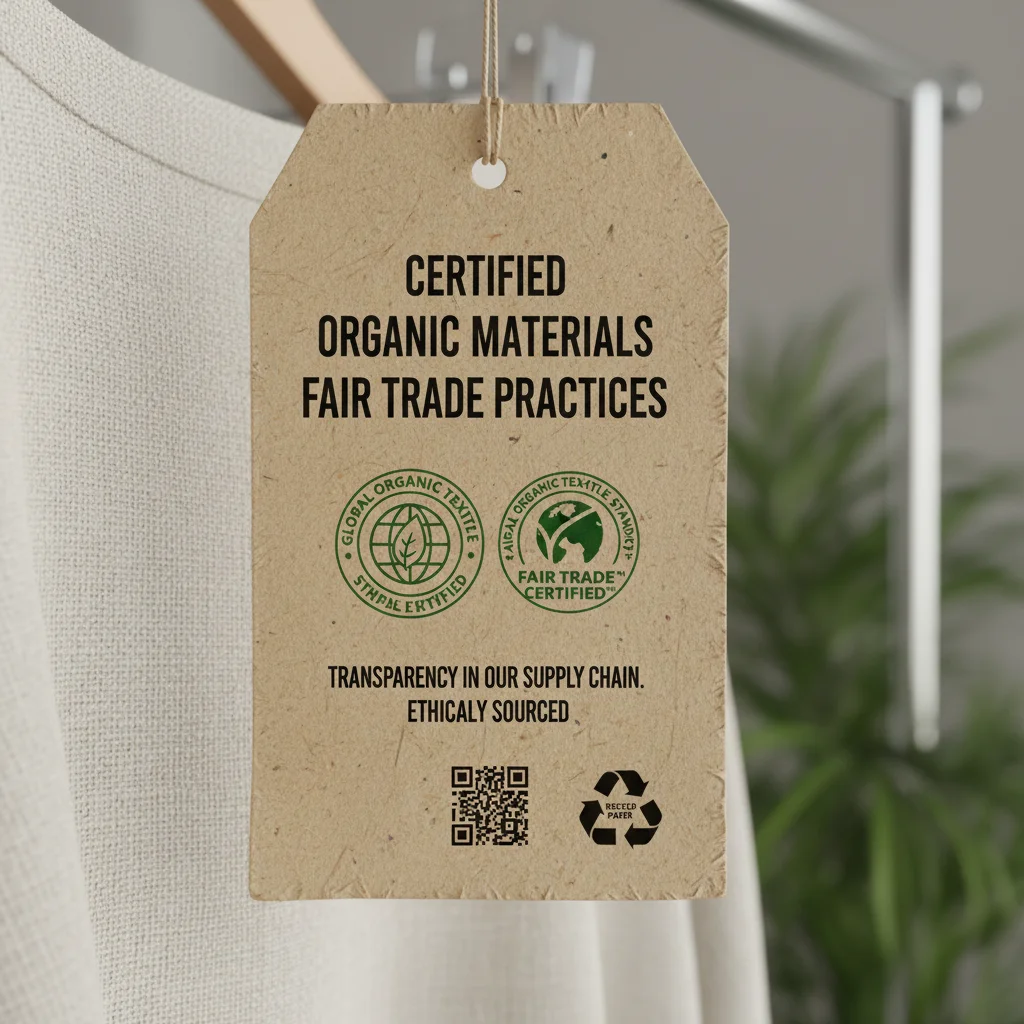
The push for transparency is also fueled by regulatory pressures and increasing consumer awareness. Brands are realizing that hiding supply chain information is no longer an option. By 2026, full transparency will not be a differentiator, but a baseline requirement for any brand claiming to be sustainable.
Upcycling and artisanal craftsmanship revival
As the fashion world increasingly champions sustainability, the art of upcycling and the value of artisanal craftsmanship are experiencing a significant renaissance. These practices offer unique, low-impact alternatives to mass production, celebrating individuality and reducing waste.
Upcycling transforms existing garments or materials into new, higher-value products, preventing them from ending up in landfills. Artisanal craftsmanship, on the other hand, emphasizes traditional skills, quality, and longevity over fast fashion’s disposability.
The art of transforming waste
Upcycling is more than just recycling; it’s a creative process that breathes new life into discarded items. Designers are increasingly exploring innovative ways to repurpose materials, creating one-of-a-kind pieces.
- Patchwork and deconstruction: Old denim, vintage fabrics, and discarded textiles are being expertly cut, reassembled, and reimagined into contemporary designs.
- Embellishment and repair as design: Visible mending and decorative repairs are becoming aesthetic choices, celebrating the history of a garment and adding unique character.
- Collaborations with waste management: Fashion brands are partnering with organizations that collect textile waste, ensuring a steady supply of materials for upcycling initiatives.
Artisanal craftsmanship brings a human touch back to fashion. It values skilled hands, intricate techniques, and the stories embedded in handmade items. This trend counters the anonymity of mass-produced goods, offering consumers unique pieces with a strong sense of provenance and ethical production. Expect to see a greater appreciation for handcrafted details and limited-edition collections that highlight the beauty of traditional techniques, making them key aspects of sustainable fashion trends 2026.
Minimalism and conscious consumption
Beyond materials and production methods, a fundamental shift in consumer mindset towards minimalism and conscious consumption is defining sustainable fashion in 2026. This trend encourages a ‘less but better’ approach, prioritizing quality, versatility, and emotional longevity over fleeting trends.
Conscious consumption involves making deliberate purchasing decisions based on a brand’s ethical and environmental credentials, as well as the genuine need for an item. It’s about building a versatile wardrobe that transcends seasons and fads.
Building a capsule wardrobe
The concept of a capsule wardrobe, consisting of a few essential, versatile items that can be mixed and matched, is gaining significant traction. This approach reduces the need for frequent purchases and minimizes textile waste.
- Investment pieces: Consumers are opting for higher-quality garments made from durable, sustainable materials, viewing them as long-term investments rather than disposable items.
- Versatile designs: Clothing that can be styled in multiple ways and worn for various occasions is highly valued, maximizing utility and reducing the overall number of items needed.
- Emotional connection to clothing: Encouraging consumers to form a deeper bond with their clothes, appreciating their craftsmanship and longevity, rather than treating them as throwaway goods.
This trend is not just about reducing consumption but also about fostering a more thoughtful relationship with fashion. It challenges the fast fashion cycle by promoting mindful purchasing, careful maintenance, and a greater appreciation for the intrinsic value of clothing. The emphasis on minimalism and conscious consumption will be a powerful force shaping sustainable fashion choices in 2026.
Policy and regulatory frameworks driving change
Government policies and international regulations are playing an increasingly critical role in accelerating the adoption of sustainable practices within the fashion industry. By 2026, these frameworks will provide both incentives and mandates, pushing brands towards greater environmental and social responsibility.
From extended producer responsibility (EPR) schemes to stricter chemical usage laws, regulatory bodies are setting clearer expectations for how fashion businesses operate. This creates a more level playing field and ensures that sustainability isn’t just a voluntary choice but a fundamental requirement.
Key legislative developments
Several legislative initiatives are already in motion or are anticipated to take effect, significantly influencing the fashion landscape. These policies aim to standardize sustainability efforts and prevent greenwashing.
- Extended Producer Responsibility (EPR): This principle holds brands accountable for the entire lifecycle of their products, including collection and recycling post-consumer use, incentivizing design for durability and recyclability.
- Chemical restrictions and material safety: Stricter regulations on harmful chemicals used in dyeing, finishing, and production processes are forcing brands to adopt safer, eco-friendly alternatives.
- Mandatory due diligence laws: Legislation requiring companies to conduct human rights and environmental due diligence throughout their supply chains will ensure greater ethical sourcing and labor practices.
These regulatory shifts are not just about compliance; they are catalysts for innovation. Brands are being pushed to invest in sustainable technologies, develop new business models, and foster greater transparency. The increasing governmental and intergovernmental focus on sustainability will undoubtedly shape the operational mandates and ethical considerations for all fashion entities by 2026, making policy a critical driver for the sustainable fashion agenda.
| Key Trend | Brief Description |
|---|---|
| Biomaterials & Regenerative Agriculture | Focus on fungi-based leathers, algae fabrics, and crops that improve soil health. |
| Circular Fashion Models | Emphasizing design for longevity, repair, reuse, and comprehensive recycling systems. |
| Supply Chain Transparency | Utilizing blockchain and digital product passports for full traceability and ethical sourcing. |
| Minimalism & Conscious Consumption | Encouraging capsule wardrobes, investment pieces, and a ‘less but better’ approach to fashion. |
Frequently asked questions about sustainable fashion trends 2026
The biggest innovations include mycelium-derived leathers, fabrics made from algae and seaweed, and textiles created from agricultural waste. These materials offer eco-friendly alternatives with enhanced performance, biodegradability, and a significantly lower environmental footprint compared to traditional synthetic or animal-derived options.
By 2026, consumers will see more options for clothing rentals, resale platforms, and repair services. Brands will design garments for longevity and recyclability, making it easier for consumers to participate in a closed-loop system, reducing waste and promoting resource efficiency across the fashion lifecycle.
Transparency builds trust and accountability, allowing consumers to verify ethical labor practices and environmental claims. Technology like blockchain and digital product passports will provide detailed information about a garment’s origin and production, ensuring authenticity and combating greenwashing by 2026.
Upcycling is crucial for transforming existing garments and textile waste into new, valuable products, preventing landfill accumulation. It promotes creativity, individuality, and reduces the demand for new resource extraction, making it a key trend for unique, eco-conscious style in 2026.
Adopting minimalism involves creating a capsule wardrobe of versatile, high-quality pieces that can be mixed and matched. Focus on investment pieces over fast fashion, prioritize emotional connection with clothing, and make conscious purchasing decisions based on genuine need and brand ethics to reduce overall consumption.
Conclusion
The landscape of fashion in 2026 is unequivocally shifting towards a more sustainable and responsible future. The convergence of innovative biomaterials, robust circular economy models, heightened supply chain transparency, the resurgence of upcycling and artisanal craft, and a pervasive consumer embrace of minimalism and conscious consumption indicates a profound transformation. These trends are not merely fleeting fads but fundamental pillars that will redefine eco-chic style, pushing the industry towards practices that benefit both people and the planet. For brands, adapting to these changes is essential for relevance and resilience. For consumers, understanding and supporting these movements empowers them to be active participants in shaping a fashion world that is as ethical as it is elegant.