Decoding Dress Codes: Your 2026 Guide to Confident Styling
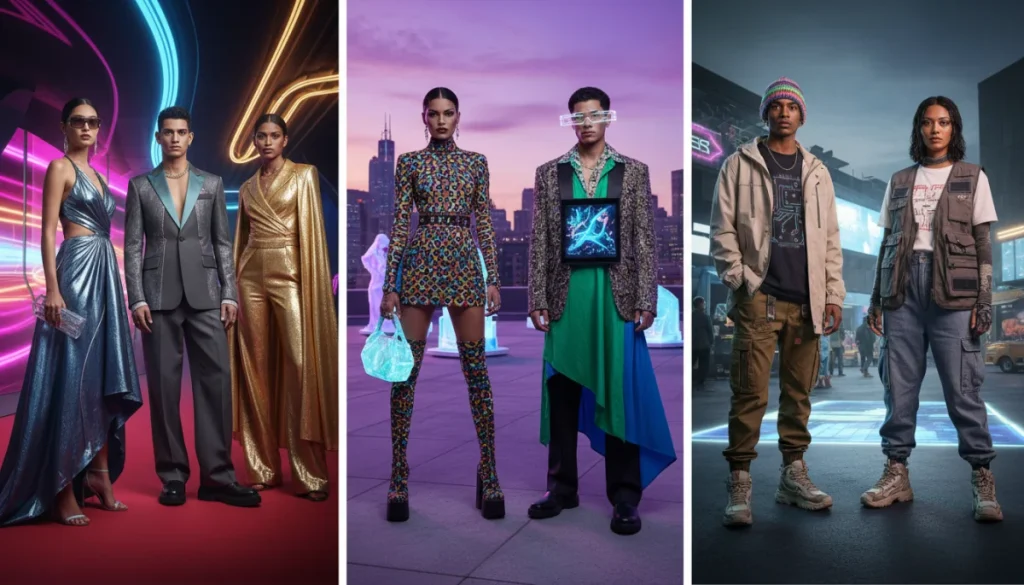
Mastering 2026 dress codes is essential for confident event styling, ensuring you’re perfectly attired for any occasion, from formal galas to casual gatherings, by understanding contemporary fashion nuances and traditional expectations.
In the dynamic world of 2026 fashion, understanding and interpreting event invitations can be a complex endeavor. Successfully decoding dress codes is not just about following rules; it’s about expressing your personal style while respecting the occasion, ensuring you feel confident and appropriate, no matter the gathering.
The evolving landscape of dress codes in 2026
Dress codes, once rigid and predictable, have evolved into a more nuanced language in 2026. While traditional categories like black tie or cocktail still exist, they often come with modern interpretations, allowing for greater personal expression and comfort. The key lies in understanding the core intent behind each dress code and then adapting it to contemporary trends.
The shift towards conscious fashion and sustainability has also influenced how we approach event styling. Many individuals are now prioritizing versatile pieces that can be dressed up or down, reducing the need for an extensive wardrobe dedicated to single-use outfits. This thoughtful approach to clothing selection aligns perfectly with the modern interpretation of dress codes, which often encourages creativity within defined boundaries.
Beyond the basics: understanding subtle cues
Beyond the explicit words on an invitation, savvy event-goers in 2026 look for subtle cues. The venue, time of day, and even the host’s personal style can offer valuable insights into the expected attire. A ‘cocktail’ event at a trendy rooftop bar might call for a different interpretation than the same code at a historic banquet hall.
- Venue Vibe: Research the location; is it grand, industrial, intimate, or outdoors?
- Time of Day: Evening events typically lean more formal than daytime gatherings.
- Host’s Style: Consider the host’s general aesthetic; do they prefer classic or avant-garde?
- Event Purpose: A charity gala differs significantly from a corporate holiday party.
Ultimately, the evolving landscape of dress codes in 2026 is about informed choice. It’s about knowing the rules well enough to bend them gracefully, creating an outfit that feels authentic to you while honoring the spirit of the occasion. This thoughtful preparation is the first step in confident event styling.
Mastering the formal: black tie, white tie, and black tie optional
Formal events in 2026 continue to command respect for tradition, though with subtle modernizations. Understanding the distinctions between black tie, white tie, and black tie optional is crucial for making an impeccable impression without feeling out of place. These codes represent the pinnacle of sartorial elegance and require careful attention to detail.
White Tie: The ultimate in formality. This is reserved for the most prestigious occasions, such as state dinners, royal events, or highly formal balls. For men, it means a black tailcoat, white pique waistcoat, white bow tie, and patent leather dress shoes. Women typically wear full-length, elegant ball gowns, often with elaborate detailing or luxurious fabrics. This is a rare code, but when encountered, it demands adherence to its strict guidelines.
Black tie: timeless elegance redefined
Black tie remains a cornerstone of formal wear. For men, a black tuxedo, white dress shirt, black bow tie, and black patent leather shoes are standard. In 2026, we see slight variations: perhaps a velvet jacket in a deep jewel tone, or a subtly patterned bow tie, as long as the overall aesthetic remains refined and classic. Women typically wear floor-length evening gowns, but sophisticated cocktail dresses reaching just above or below the knee are also acceptable, especially if crafted from luxurious materials.
- Men’s Black Tie: Tuxedo, white shirt, black bow tie, patent shoes.
- Women’s Black Tie: Floor-length gown or elegant cocktail dress.
- Modern Twist: Velvet jackets, subtle patterns, contemporary jewelry.
Black Tie Optional: Bridging the gap. This code offers a degree of flexibility, allowing guests to choose between full black tie attire or a slightly less formal but still elegant option. Men can opt for a dark suit with a dress shirt and tie, while women can choose a sophisticated cocktail dress, an elegant pantsuit, or a dressy separates ensemble. The emphasis is still on polish and sophistication, ensuring you don’t appear underdressed for a formal setting. The key is to err on the side of formality when in doubt, as it’s always better to be slightly overdressed than underdressed for these occasions.
Navigating semi-formal and cocktail attire with confidence
Semi-formal and cocktail attire are perhaps the most frequently encountered dress codes in 2026, offering a balance between elegance and comfort. These codes require a keen eye for detail and an understanding of contemporary trends to strike the perfect note without appearing either too casual or overly formal. They are about looking polished and celebratory.
Cocktail Attire: A celebration of style. This code calls for chic and stylish outfits that are dressier than everyday wear but less formal than black tie. For women, this typically means a knee-length, midi, or even a sophisticated jumpsuit. Fabrics like silk, satin, lace, or brocade are excellent choices. Bold colors and interesting silhouettes are encouraged, allowing for personal expression. For men, a suit and tie are standard, often in darker shades, though a well-tailored sports coat with dress trousers can also be appropriate, depending on the event’s specific context.
Semi-formal: elegant yet approachable
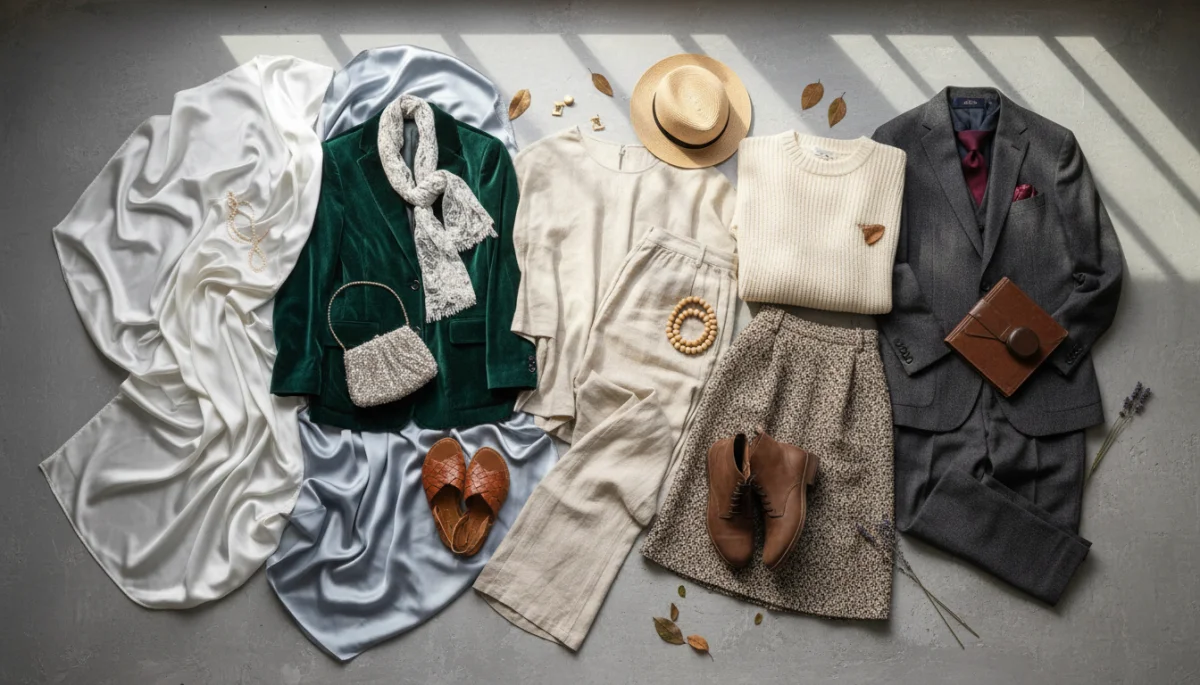
Semi-formal is often confused with cocktail, but it generally indicates a slightly more relaxed approach while maintaining an elevated aesthetic. For women, this could mean a sophisticated dress, a skirt and blouse combination, or a tailored pantsuit. The length of dresses can vary, but generally, anything too short or too casual should be avoided. For men, a suit is usually expected, though the color palette can be broader than for cocktail, including lighter grays or blues, especially for daytime events. A tie is often optional but recommended to maintain polish.
- Women’s Semi-Formal: Dresses, elegant separates, tailored pantsuits.
- Men’s Semi-Formal: Suit (dark or lighter shades), optional tie.
- Key Difference: Cocktail allows more flair; semi-formal leans towards classic elegance.
The beauty of semi-formal and cocktail attire in 2026 lies in their versatility. Accessories play a significant role in elevating an outfit: statement jewelry, elegant clutches, and polished footwear can transform a simple dress into a show-stopping ensemble. Conversely, choosing more understated accessories can tone down a look, making it suitable for a broader range of events. Always consider the specific event details to fine-tune your interpretation of these codes.
Casual chic and smart casual: effortless style decoded
The lines between casual and dressy have blurred considerably by 2026, making ‘casual chic’ and ‘smart casual’ perhaps the most challenging dress codes to interpret. These codes emphasize comfort and personal style while still requiring a polished and put-together appearance. The goal is to look effortlessly stylish, not underdressed.
Smart Casual: Elevated everyday wear. This code is about looking neat, tidy, and stylish without being overly formal. For men, this often means well-fitting dark jeans or chinos paired with a button-down shirt, a polo shirt, or a fine-gauge knit sweater. A blazer can instantly elevate the look. For women, smart casual can encompass tailored trousers, a stylish skirt, or dark jeans paired with a chic blouse, a fashionable top, or a blazer. The key is to avoid anything too distressed, faded, or overtly athletic.
Casual chic: personalized comfort
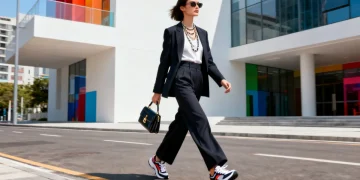
Casual chic takes smart casual a step further by embracing current trends and personal flair while maintaining an air of sophistication. It’s less about strict rules and more about thoughtful curation. Think high-quality fabrics, interesting textures, and well-chosen accessories. For example, a flowy midi dress with stylish sneakers, or tailored wide-leg trousers with a statement top and elegant flats.
- Smart Casual Essentials: Tailored basics, clean lines, quality fabrics.
- Casual Chic Focus: Trendy pieces, personal accessorizing, comfortable elegance.
- Avoid: Worn-out items, beachwear, overly revealing clothing.
Accessories are paramount in both casual chic and smart casual. A stylish handbag, interesting footwear, and subtle jewelry can transform a simple outfit. The mantra for these codes in 2026 is quality over quantity, and intentionality in every choice. It’s about creating a cohesive look that reflects confidence and an understanding of contemporary style, without appearing as though you tried too hard.
Thematic events and creative black tie: embracing individuality
Thematic events and creative black tie dress codes offer exciting opportunities to express individuality and engage with the event’s concept on a deeper level. In 2026, these invitations are becoming more common, moving beyond simple costume parties to more sophisticated interpretations that blend personal style with thematic elements. They challenge guests to think creatively while maintaining an appropriate level of formality.
Thematic Events: Beyond literal costumes. When an invitation specifies a theme, it’s essential to understand the host’s intention. Is it a literal costume party, or is it an invitation to incorporate elements of the theme into a stylish outfit? For example, a ‘Roaring Twenties’ theme might not require a full flapper costume, but rather a dress with fringe or sequins, paired with art deco-inspired accessories. Researching the era or concept is key to striking the right balance between homage and modern elegance.
Creative black tie: formal with a twist
Creative black tie is a delightful blend of traditional formality and modern panache. It encourages guests to inject personality into their black tie attire. For men, this could mean a tuxedo in an unconventional color (like deep burgundy or forest green), a patterned bow tie, a stylish vest, or even a statement pocket square. For women, it opens the door to more avant-garde gowns, dresses with unique embellishments, or sophisticated separates that push traditional boundaries while maintaining an air of elegance. This is an opportunity to showcase your fashion forward thinking.
- Thematic Approach: Interpret, don’t just replicate; focus on key elements.
- Creative Black Tie: Classic foundation, modern accents, personal touch.
- Guideline: Always aim for sophistication, even with playful elements.
The success of navigating thematic and creative dress codes lies in thoughtful planning and a willingness to step outside the conventional. It’s an opportunity to have fun with fashion, but always with an awareness of the event’s overall tone and the host’s expectations. These codes are a testament to the evolving nature of event styling in 2026, where personal expression is celebrated within a framework of respect for the occasion.
Seasonal considerations and fabric choices for 2026 events
Beyond the explicit dress code, astute event-goers in 2026 understand the significant role that season and fabric choices play in confident event styling. The right materials not only ensure comfort but also contribute significantly to the overall aesthetic and appropriateness of an outfit, reflecting a deeper understanding of fashion nuances.
Spring/Summer: Lightness and breathability. Warmer months call for fabrics that are light, breathable, and comfortable. Linen, cotton, silk, and lightweight blends are ideal. Colors tend to be brighter or pastels, and patterns can be more playful. For formal events in summer, a light wool blend tuxedo or a silk gown can be appropriate, ensuring elegance without overheating. Daytime events particularly benefit from lighter hues and natural fibers that allow for air circulation.
Autumn/Winter: warmth and richness
As temperatures drop, the focus shifts to warmer, richer fabrics. Wool, velvet, cashmere, and heavier silks become prominent. Colors often deepen to jewel tones, metallics, or classic dark shades. For men, a wool suit or velvet jacket is perfect for a winter formal event. Women can opt for velvet gowns, heavier silk dresses, or elegant outfits featuring tweed or brocade. Layering also becomes a key strategy, allowing for adaptability to indoor and outdoor temperatures.
- Warm Weather Fabrics: Linen, cotton, silk, lightweight blends.
- Cold Weather Fabrics: Wool, velvet, cashmere, heavier silks.
- Seasonal Colors: Brights/pastels for spring/summer; deep tones/metallics for autumn/winter.
The texture of a fabric also adds depth and interest to an outfit. A velvet dress for a winter gala instantly conveys luxury, while a crisp linen suit speaks of summer sophistication. In 2026, sustainable fabric choices are also gaining prominence, with designers and consumers alike opting for eco-friendly materials that do not compromise on style or comfort. Choosing the right fabric and considering the season demonstrates a thoughtful approach to event styling, enhancing both your comfort and your overall look.
Accessorizing: the final touch to every dress code
Accessorizing is where personal style truly shines, elevating any outfit from merely appropriate to remarkably memorable. In 2026, accessories are not just afterthoughts; they are integral components of decoding dress codes and mastering confident event styling. The right accessories can transform an entire look, conveying sophistication, personality, or a touch of playful charm.
Jewelry: From subtle to statement. For formal events, fine jewelry such as diamonds, pearls, or elegant gemstones is typically preferred. For cocktail or semi-formal, you have more freedom to experiment with statement pieces that reflect current trends. Casual chic allows for more whimsical or artisanal jewelry. The key is to choose pieces that complement your outfit without overwhelming it, ensuring harmony in your overall presentation.
Footwear and handbags: foundations of your look
Footwear and handbags are critical elements that can make or break an outfit. For formal events, classic heels or elegant flats for women and polished dress shoes for men are essential. Handbags should be small, elegant clutches or evening bags. As the dress code becomes less formal, options expand to include stylish loafers, fashionable boots, or even designer sneakers for casual chic looks. Handbags can become larger and more structured, offering both style and practicality.
- Jewelry Strategy: Match formality, express personality.
- Footwear Impact: Defines formality and comfort.
- Handbag Choice: Practicality meets elegance.
- Belts and Scarves: Add polish and color.
Beyond jewelry, shoes, and handbags, other accessories like belts, scarves, and even eyewear play a crucial role. A well-chosen belt can define a silhouette, a silk scarf can add a pop of color and sophistication, and stylish glasses can enhance an intellectual or chic vibe. In 2026, accessorizing is about intentionality – each piece should be chosen with purpose, contributing to a cohesive and polished look that allows you to confidently navigate any event, expressing your unique style while adhering to the specified dress code.
| Dress Code | Key Styling Points |
|---|---|
| Black Tie | Floor-length gowns for women; tuxedos for men. High formality. |
| Cocktail Attire | Chic dresses (knee/midi), elegant jumpsuits; suits for men. Celebratory and stylish. |
| Smart Casual | Tailored trousers/jeans, blouses/button-downs, blazers. Polished and comfortable. |
| Thematic Events | Incorporate theme elements into stylish outfits, avoiding literal costumes unless specified. |
Frequently asked questions about 2026 dress codes
Creative black tie in 2026 signifies a formal event where you can add a unique, fashionable twist to traditional black tie attire. Think a tuxedo in a bold color or with a subtle pattern, or for women, a sophisticated gown with modern embellishments or an avant-garde silhouette. It’s about personalizing elegance.
For women, a highly tailored and elegant pantsuit or a sophisticated jumpsuit crafted from luxurious fabrics like silk or velvet can be an appropriate and stylish alternative to a gown for black tie events in 2026, especially if it maintains a formal aesthetic.
For a daytime ‘dressy casual’ event, focus on polished, comfortable attire. Women might choose a chic sundress, tailored separates with a stylish top, or dark wash jeans with a blazer. Men can opt for well-fitting chinos, a button-down shirt, and perhaps a sport coat. Avoid anything too relaxed like shorts or t-shirts.
While traditional semi-formal typically requires dressier shoes, 2026 trends sometimes allow for highly fashionable, clean, and minimalist designer sneakers, especially for men, if paired with a sharp suit or tailored trousers. Always consider the specific venue and event formality before making this choice.
Sustainable fashion plays a significant role in 2026 dress codes. Choosing pieces made from eco-friendly materials, investing in versatile garments, or opting for rental services are all excellent ways to be stylish and responsible. It aligns with a broader societal shift towards conscious consumption and ethical choices.
Conclusion
Successfully decoding dress codes in 2026 is an art form that blends tradition with contemporary flair. It’s about more than just following rules; it’s about understanding the unspoken language of an event, respecting the occasion, and expressing your unique style with confidence. By paying attention to the explicit instructions, subtle cues, seasonal factors, and the power of accessorizing, you can ensure you are impeccably dressed for any gathering. Embracing this thoughtful approach to event styling not only enhances your presence but also allows you to enjoy every occasion to the fullest, knowing you’ve mastered the art of appropriate and fashionable attire.