Seasonal Storage Solutions: Smart Hacks for Off-Season Clothing in 2026
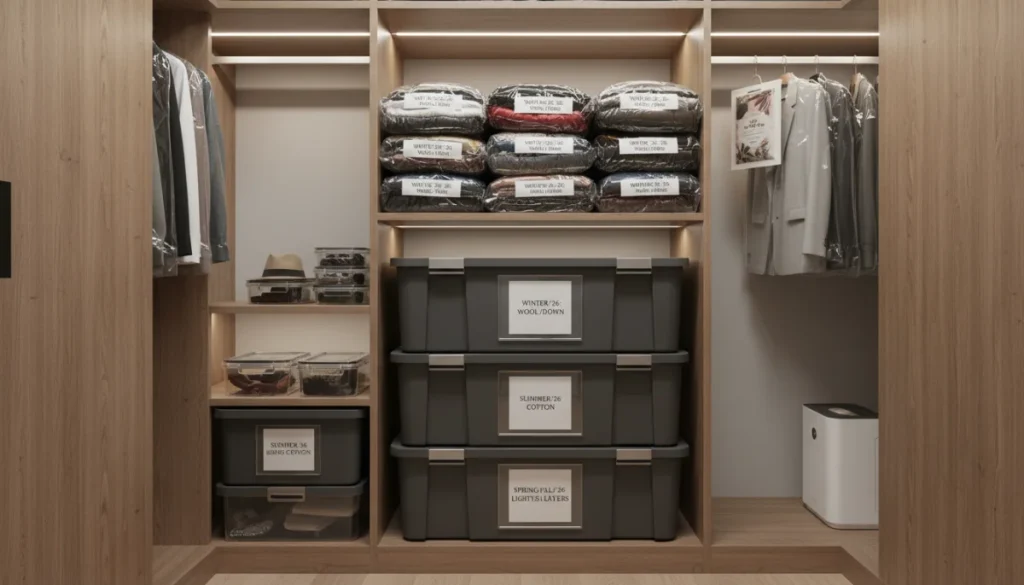
Effectively managing off-season clothing is crucial for maximizing space and preserving garments, making seasonal storage solutions essential for a functional wardrobe.
Navigating the ever-changing tides of fashion and weather often leaves us with a wardrobe dilemma: what to do with clothes not currently in season? Implementing effective seasonal clothing storage solutions is not just about decluttering; it’s about preserving your investments and making your daily routine smoother. Let’s explore five smart hacks for off-season clothing in 2026 that will revolutionize your closet.
Mastering the art of decluttering before you store
Before you even think about packing away your off-season garments, a thorough decluttering session is paramount. This isn’t just about making space; it’s about ensuring you’re only storing items you genuinely love, wear, and that are in good condition. A cluttered storage space is just as inefficient as a cluttered closet.
Think of this as a strategic purge. Examine each item critically: does it still fit? Is it still in style? Does it bring you joy? If an item doesn’t meet these criteria, it’s time to let it go. This initial step will save you immense time and effort in the long run, preventing you from storing clothes that will never see the light of day again.
The ‘keep, donate, toss’ method
- Keep: Items that are still in excellent condition, fit well, and you anticipate wearing next year. These are your prime candidates for storage.
- Donate: Gently used items that no longer serve your style or fit, but could benefit someone else. Consider local charities or consignment shops.
- Toss: Garments that are beyond repair, stained, or significantly worn out. These items have reached the end of their useful life and should be disposed of responsibly.
By meticulously sorting through your wardrobe now, you’re not just organizing; you’re curating a more intentional and sustainable collection. This mindful approach to decluttering sets the foundation for truly effective seasonal storage, ensuring that every piece you store is worth the effort.
The power of proper cleaning and preparation
One of the most critical steps in seasonal clothing storage, often overlooked, is the thorough cleaning and preparation of your garments. Storing dirty clothes, even if they appear clean, can lead to irreversible damage. Invisible stains from perspiration, body oils, or food particles can oxidize over time, causing permanent discoloration and attracting pests.
Moreover, odors can become deeply embedded in fabrics, making them difficult to remove later. Proper cleaning ensures that your clothes emerge from storage fresh, clean, and ready to wear. This preventative measure is a small investment of time that yields significant returns in garment longevity and freshness.
Essential cleaning tips before storing
- Launder or dry-clean all items: Even if an item looks clean, it’s best to wash or dry-clean it according to its care label. Pay special attention to areas prone to sweat, such as armpits and collars.
- Address all stains: Treat any visible stains before storage. Once a stain sets, especially over several months, it becomes much harder, if not impossible, to remove.
- Ensure clothes are completely dry: Storing damp clothes is an open invitation for mildew and mold, which can destroy fabrics and leave an unpleasant, persistent odor. Allow garments to air dry thoroughly before packing.
Proper cleaning extends beyond just washing. It also involves repairing any minor tears or loose buttons. Taking care of these small issues now prevents them from worsening during storage, making your clothes ready for the next season without extra hassle. This detailed preparation is a cornerstone of effective seasonal clothing storage.
Vacuum-sealing: the ultimate space-saving solution
When space is at a premium, vacuum-sealing bags become an indispensable tool for seasonal clothing storage. These innovative bags remove air, compressing bulky items like sweaters, coats, and blankets into a fraction of their original size. This not only frees up valuable closet or storage unit space but also offers an added layer of protection for your garments.
Beyond the impressive space-saving benefits, vacuum-sealed bags shield your clothes from dust, moisture, odors, and pests. This airtight environment is particularly beneficial for delicate fabrics or items you want to keep pristine for extended periods. The transformation in your storage capacity can be quite dramatic, making it a favorite hack for urban dwellers and anyone with limited storage options.
While vacuum-sealing is highly effective, it’s important to use them correctly to avoid damaging your clothes. Over-stuffing the bags can strain the seams and potentially wrinkle delicate fabrics excessively. Always follow the manufacturer’s instructions for best results and consider placing a dryer sheet inside for a fresh scent upon unpacking.
Best practices for vacuum-sealing
- Choose the right size: Select bags appropriate for the volume of clothing you intend to store. Don’t try to cram too much into one bag.
- Fold clothes neatly: Although vacuum-sealing will compress items, neatly folded clothes will emerge with fewer wrinkles.
- Avoid sharp objects: Ensure there are no sharp buttons, zippers, or embellishments that could puncture the bag. If necessary, turn garments inside out.
- Don’t over-compress delicate items: For very delicate items like silk or embellished garments, consider using less compression or alternative storage methods to prevent damage.
Vacuum-sealing is a game-changer for maximizing space and protecting garments during long-term storage. Its ability to create an impermeable barrier against external elements ensures your off-season clothes remain in excellent condition until you need them again, truly making it a smart hack for seasonal clothing storage.
Utilizing clear, stackable bins for accessibility and protection
While vacuum-sealing is excellent for bulk, clear, stackable bins offer a different set of advantages for seasonal clothing storage. These bins provide robust protection against dust and pests, while their transparency allows for easy identification of contents without having to open each one. This saves time and effort when you’re looking for a specific item or transitioning your wardrobe. The stackable design maximizes vertical space, turning unused corners or the tops of closets into efficient storage zones.
Choosing the right bins involves looking for durable, airtight options that can withstand changes in temperature and humidity, especially if storing in an attic or basement. Opt for bins with secure latches to keep contents safe and dry. Their uniform size also contributes to a neater, more organized storage area, which is aesthetically pleasing and functionally superior.
Advantages of clear storage bins
- Visibility: Quickly identify contents, reducing rummaging and saving time.
- Protection: Shields clothes from dust, moisture, and insects.
- Stackability: Optimizes vertical storage space, ideal for smaller homes or apartments.
- Durability: Made from sturdy plastic, they can withstand long-term storage and handling.
Beyond the practical benefits, using clear bins encourages a more organized approach to your wardrobe. You’re more likely to neatly fold and categorize items when you know they’ll be visible, fostering better habits. This method combines protection with unparalleled accessibility, making it an intelligent choice for managing your seasonal clothing rotation.
Creative storage zones: thinking beyond the closet
Effective seasonal clothing storage doesn’t always mean cramming everything into an already overflowing closet. Sometimes, the smartest hack is to look for unconventional storage zones within your home. Thinking creatively about where to store off-season items can unlock significant space and keep your primary living areas clutter-free. This approach encourages you to see potential in overlooked areas, transforming them into functional storage hubs.
Under-bed storage is a classic example, perfect for flat items like jeans, t-shirts, or even folded sweaters. Storage ottomans and benches can double as stylish seating and discreet hiding spots for bulkier items. Even decorative chests or vintage suitcases can serve a dual purpose, adding a touch of charm to your decor while housing your out-of-season garments. The key is to integrate storage seamlessly into your home’s design.
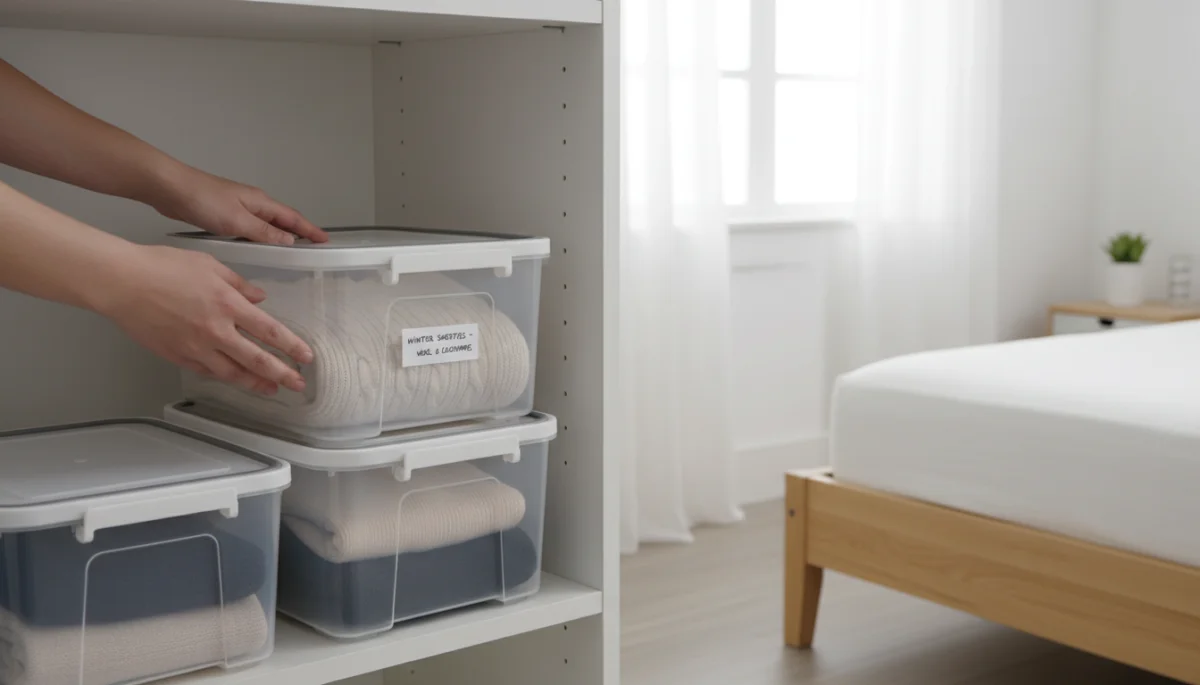
Attics and basements, while often used, require careful consideration. Ensure these areas are dry, temperature-controlled, and free from pests to prevent damage to your clothes. Using airtight containers and moisture absorbers becomes even more crucial in these environments. Garment bags for hanging items can protect suits and dresses in less-than-ideal conditions.
Exploring alternative storage locations
- Under-bed storage: Ideal for flat items, using specialized containers or drawers.
- Storage ottomans and benches: Dual-purpose furniture that offers discreet storage.
- Decorative chests and trunks: Stylish additions that can hold a surprising amount of clothing.
- Guest room closets: If available, designate a section for off-season items.
By expanding your perception of storage beyond traditional closets, you can significantly enhance your home’s overall organization and efficiency. These creative solutions not only help manage your wardrobe but also contribute to a more harmonious and clutter-free living environment, proving that smart seasonal clothing storage is about ingenuity as much as it is about containers.
The importance of labeling and inventory
Once your clothes are cleaned, prepared, and carefully packed into their respective vacuum bags or storage bins, the final, yet equally crucial, step in effective seasonal clothing storage is meticulous labeling and inventory. This often-underestimated hack can save you countless hours of searching and frustration when the next season rolls around. Imagine trying to find a specific sweater among a dozen opaque bins without any indication of their contents – it’s a nightmare scenario.
Clear and concise labeling transforms a chaotic storage area into an organized, easily navigable system. It allows you to quickly locate exactly what you need, making the transition between seasons smooth and stress-free. Beyond just labeling, creating a simple inventory list, either digitally or on paper, provides an even higher level of organization and control over your wardrobe.
Effective labeling and inventory strategies
- Be specific with labels: Instead of just ‘winter clothes,’ try ‘winter sweaters & scarves’ or ‘kids’ winter outerwear.’ Include the year of storage if you purge annually.
- Use consistent labeling: Whether you use handwritten labels or printed ones, maintain a consistent format for clarity.
- Create a master inventory list: Document the contents of each box or bag. Include details like the number of items, specific categories, and storage location. This can be a simple spreadsheet or a notebook.
- Photograph contents: For visual learners, taking a quick photo of the contents before sealing a bin can serve as an excellent visual reminder.
Implementing a robust labeling and inventory system ensures that your efforts in cleaning, preserving, and packing your seasonal clothing are not wasted. It brings an unparalleled level of efficiency to your wardrobe management, making seasonal transitions effortless and enjoyable. This strategic approach is a hallmark of truly smart seasonal clothing storage in 2026.
Maintaining freshness and preventing damage
Beyond the initial cleaning and proper packing, ongoing maintenance of your stored seasonal clothing is vital to ensure they remain fresh and undamaged. The storage environment itself plays a significant role in the longevity and condition of your garments. Fluctuations in temperature, humidity, and the presence of pests can quickly undo all your careful preparation. Therefore, proactively managing these factors is a key hack for successful seasonal clothing storage.
Humidity is a major enemy of stored textiles, leading to mildew, mold, and a musty odor. Using desiccant packs or cedar blocks can help absorb excess moisture and deter pests. Cedar, in particular, is a natural repellent for moths and other insects that are attracted to natural fibers. Regularly checking your storage area for any signs of moisture or pest activity can prevent small issues from becoming significant problems.
Tips for long-term garment preservation
- Monitor humidity: If storing in basements or attics, consider using a dehumidifier to maintain optimal humidity levels.
- Use natural repellents: Cedar blocks, lavender sachets, or cedar balls can naturally deter moths and keep clothes smelling fresh without harsh chemicals.
- Avoid wire hangers for long-term: Wire hangers can distort the shape of garments over time. Use padded or wooden hangers for items that need to be hung.
- Periodically air out items: If possible, briefly air out stored items in a shaded, well-ventilated area once or twice during the storage period to refresh them.
By implementing these preventative measures, you create a protective environment for your off-season clothing, safeguarding them against the elements and common storage pitfalls. This diligent approach ensures that your garments not only survive the off-season but thrive, emerging as vibrant and fresh as the day they were packed, reinforcing the value of smart seasonal clothing storage.
| Key Hack | Brief Description |
|---|---|
| Declutter First | Sort and discard unwanted items to only store what you truly need. |
| Clean Thoroughly | Wash or dry-clean all garments completely to prevent stains and odors. |
| Vacuum Seal | Compress bulky items for space-saving and protection from elements. |
| Label Clearly | Use specific labels and an inventory list for easy retrieval and organization. |
Frequently asked questions about seasonal clothing storage
Ideally, you should rotate your seasonal clothing twice a year: once for spring/summer items and again for fall/winter items. This usually occurs around the change of seasons, allowing you to bring out appropriate garments and store away those no longer needed.
While cardboard boxes can be used for temporary storage, they are not ideal for long-term seasonal clothing. Cardboard is susceptible to moisture, pests, and dust, which can damage fabrics. Airtight plastic bins or vacuum-sealed bags offer much better protection.
Optimal storage locations are cool, dark, and dry. Closets, under-bed storage, and dedicated storage units are excellent. Attics and basements can work if climate-controlled and protected from pests and humidity, but they require extra precautions.
To minimize wrinkles, fold clothes neatly and avoid over-stuffing storage containers. For delicate items, consider rolling them or using tissue paper between folds. Hanging garments in breathable bags is also effective for items prone to creasing.
Mothballs are effective but have a strong chemical odor that can be difficult to remove. Natural alternatives like cedar blocks, lavender sachets, or cedar oil are safer and more pleasant-smelling options for deterring pests during seasonal clothing storage.
Conclusion
Effectively managing your wardrobe through the seasons doesn’t have to be a daunting task. By embracing these five smart hacks for off-season clothing in 2026 – from meticulous decluttering and thorough cleaning to strategic vacuum-sealing, utilizing clear bins, exploring creative storage zones, and implementing robust labeling – you can transform your approach to seasonal clothing storage. These methods not only preserve your garments and maximize your living space but also contribute to a more organized, efficient, and stress-free home environment. Investing a little time and effort now will ensure your clothes remain in pristine condition, ready to be enjoyed season after season.