Sustainable Fashion Trends 2026: Your Conscious Style Guide
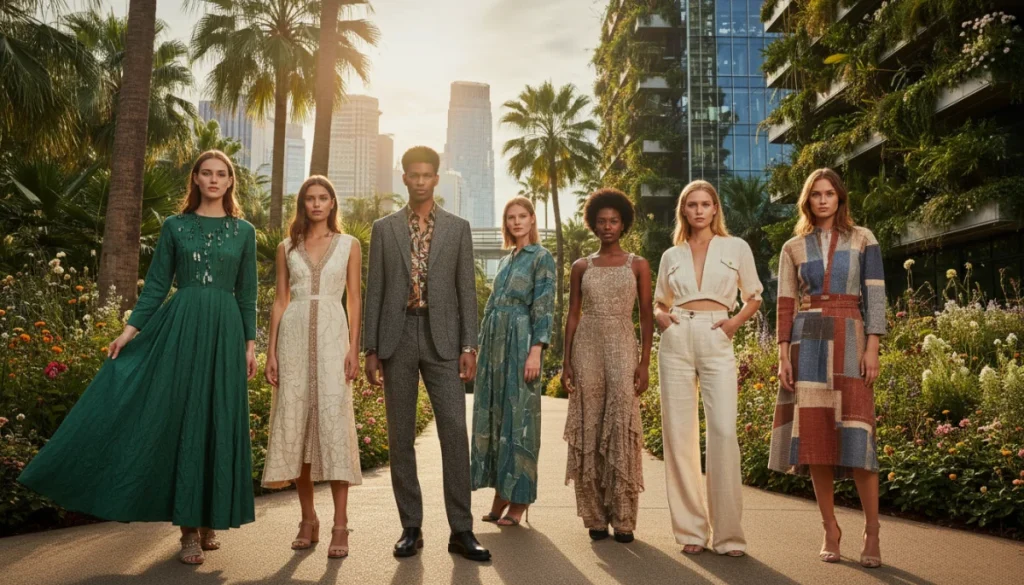
The top 5 sustainable fashion trends for 2026 prioritize circularity, innovative materials, and ethical production, guiding consumers toward a more conscious and stylish wardrobe.
As we approach 2026, understanding the top 5 sustainable fashion trends for your 2026 wardrobe: insider knowledge for conscious style is more crucial than ever. This guide will help you navigate the evolving landscape of ethical and eco-friendly choices, ensuring your style reflects both innovation and responsibility.
The Rise of Circularity: Beyond Recycling
The concept of circularity is fundamentally reshaping the fashion industry, moving far beyond traditional recycling efforts. In 2026, this trend emphasizes designing garments for longevity, repairability, and eventual reintegration into the production cycle, minimizing waste and maximizing resource utility. It’s about creating a closed-loop system where materials never become waste, a truly revolutionary approach.
This shift requires a collaborative effort from designers, manufacturers, and consumers alike. Brands are investing in infrastructure for take-back programs and repair services, while consumers are encouraged to view their clothing as valuable resources rather than disposable items. The goal is to design out waste and pollution, keep products and materials in use, and regenerate natural systems.
Designing for Durability and Longevity
One of the core tenets of circular fashion is the focus on quality and durability. Fast fashion’s ephemeral nature is being challenged by garments built to last, reducing the need for frequent replacements.
- High-Quality Materials: Prioritizing robust, long-lasting fabrics.
- Timeless Designs: Creating versatile pieces that transcend seasonal trends.
- Reinforced Construction: Ensuring seams and finishes can withstand wear and tear.
Moreover, the emphasis is on timeless aesthetics that allow pieces to remain relevant for years, fostering a deeper connection between the wearer and their wardrobe. This means investing in classic silhouettes and neutral palettes that can be easily styled and adapted.
Innovative Repair and Resale Models
Brands are increasingly embracing initiatives that extend the life of their products. Repair services and robust resale platforms are becoming standard offerings, making it easier for consumers to participate in the circular economy.
This includes everything from in-store repair workshops to digital platforms that connect consumers with repair specialists. The rise of peer-to-peer resale markets also empowers individuals to give their pre-loved items a second life, directly reducing textile waste.
Ultimately, circularity in 2026 represents a holistic approach to fashion, where every stage of a garment’s lifecycle is considered for its environmental and social impact. It’s a move towards a more responsible and resource-efficient industry.
Bio-Innovated Materials: Nature’s Next-Gen Fabrics
The textile industry is undergoing a profound transformation with the advent of bio-innovated materials. These revolutionary fabrics, derived from natural sources and often engineered through biotechnological processes, are set to dominate sustainable fashion trends in 2026. They offer exciting alternatives to conventional materials, promising reduced environmental footprints and innovative aesthetics.
From mycelium-based leathers to algae-derived dyes and fruit waste textiles, the possibilities are expanding rapidly. These materials not only minimize reliance on fossil fuels and harmful chemicals but also often boast unique properties like enhanced breathability, biodegradability, and novel textures. The investment in research and development in this area is unprecedented, signaling a significant shift in material science.
Mycelium and Plant-Based Leathers
One of the most exciting innovations is the development of leathers grown from mycelium, the root structure of mushrooms. These materials offer a luxurious feel and durability without the environmental impact of traditional animal leather.
- Mushroom Leather: Offers a supple, durable, and biodegradable alternative.
- Pineapple and Cactus Leathers: Utilizing agricultural waste to create versatile materials.
- Grape Leather: Repurposing byproducts from the wine industry into stylish fabrics.
These plant-based alternatives are not just eco-friendly; they also open up new design possibilities due to their unique textures and customizable properties. Brands are eager to incorporate these materials into their collections, appealing to a growing segment of conscious consumers.
Algae and Bio-Engineered Dyes
Beyond fabrics, sustainable innovation extends to dyeing processes. Algae-based dyes and other bio-engineered pigments are replacing synthetic dyes, which are often chemical-intensive and water-polluting.
These natural colorants offer vibrant hues with a significantly lower environmental impact. They require less water and energy, and their waste products are often biodegradable, closing another loop in the sustainable fashion cycle. Furthermore, research is advancing in bacteria-based dyeing methods that promise even greater efficiency and reduced resource consumption.
The embrace of bio-innovated materials marks a pivotal moment, moving fashion towards a future where textiles are not only beautiful but also inherently regenerative and harmless to the planet.
Transparency and Traceability: Knowing Your Garment’s Journey
In 2026, consumers are demanding unprecedented levels of transparency and traceability in their fashion choices. This trend is driven by a desire to understand the entire lifecycle of a garment, from the origin of its raw materials to the ethical conditions of its production. Brands that can offer clear, verifiable information about their supply chains are gaining significant trust and loyalty.
This isn’t just about labels; it involves digital solutions like QR codes and blockchain technology that allow consumers to trace a product’s journey with a simple scan. Such tools provide detailed insights into manufacturing processes, environmental certifications, and labor practices, empowering informed purchasing decisions. The days of opaque supply chains are rapidly becoming a relic of the past.
Blockchain for Supply Chain Verification
Blockchain technology is emerging as a powerful tool for ensuring authenticity and transparency in the fashion supply chain. Its immutable ledger system provides a secure and verifiable record of every step a garment takes.
- Material Origin: Tracking raw materials from farm to factory.
- Ethical Production: Verifying fair labor practices and safe working conditions.
- Environmental Impact: Documenting energy use, water consumption, and waste management.
This level of detail not only builds consumer confidence but also helps brands identify and address potential issues within their supply chains more effectively. It fosters accountability and drives continuous improvement in sustainability efforts.
Digital Product Passports (DPPs)
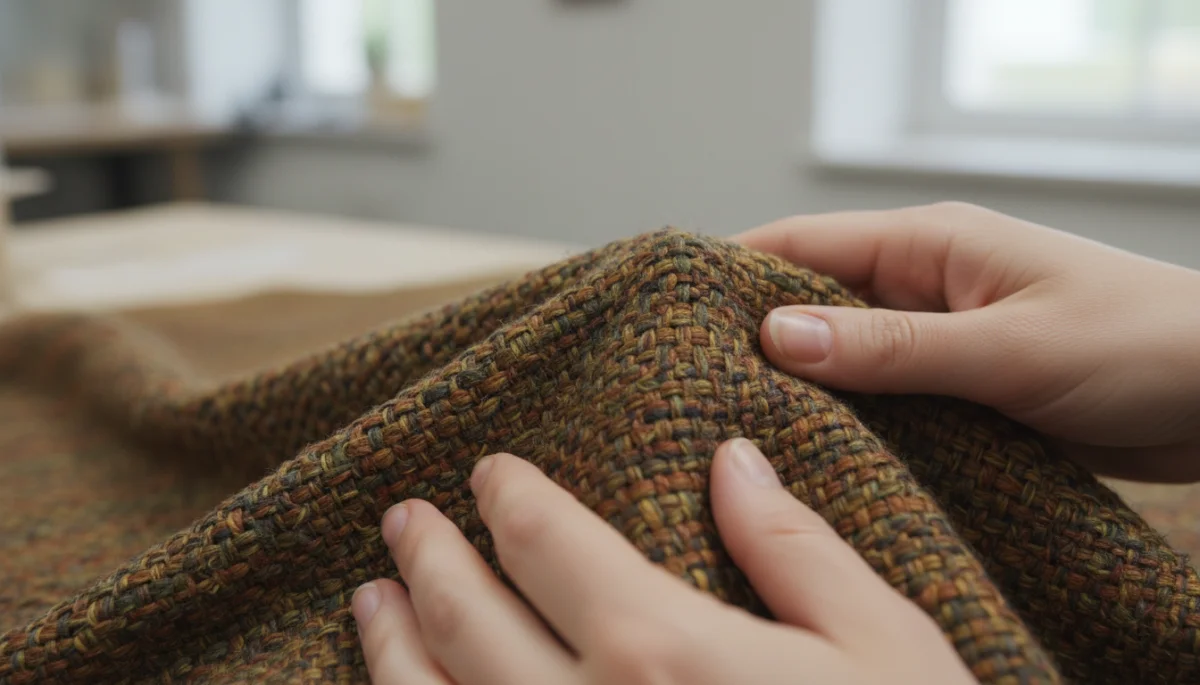
Digital Product Passports (DPPs) are becoming a standard feature, offering a comprehensive digital identity for each garment. These passports contain a wealth of information, accessible via a QR code or NFC tag.
A DPP might include details on the garment’s composition, care instructions, repair options, and even end-of-life recycling guidance. This empowers consumers to make responsible choices throughout the garment’s lifespan, contributing to a more circular economy. It also serves as a crucial tool for brands to communicate their sustainability commitments transparently.
Ultimately, transparency and traceability are transforming fashion into an industry where integrity and accountability are paramount, allowing consumers to align their values with their style.
Upcycling and Repurposing: Creative Reinvention
Upcycling and repurposing are no longer niche activities but central pillars of sustainable fashion in 2026, offering creative solutions to textile waste. This trend celebrates the art of transforming discarded materials or old garments into new, unique, and often higher-value items, breathing new life into what might otherwise be destined for landfills.
Designers are embracing innovative techniques to deconstruct and reconstruct existing textiles, creating one-of-a-kind pieces that tell a story. This approach not only significantly reduces waste but also fosters a sense of individuality and craftsmanship that mass-produced fashion often lacks. It’s a testament to creativity meeting environmental responsibility.
Designer Upcycling and Limited Editions
High-end designers and independent labels are increasingly creating collections based on upcycled materials. These often result in limited-edition pieces that are highly sought after due to their uniqueness and sustainable credentials.
- Patchwork Designs: Combining disparate fabric scraps into cohesive new patterns.
- Deconstructed Silhouettes: Reimagining existing garments into novel forms.
- Vintage Transformations: Giving antique or pre-loved items a contemporary twist.
These collections highlight the potential for creative reinvention, demonstrating that sustainable fashion can be both luxurious and exclusive. They challenge perceptions of what constitutes ‘new’ and ‘desirable’ in fashion.
Consumer-Led Repurposing and DIY Culture
Beyond designer collections, the DIY (Do It Yourself) culture of repurposing is flourishing among consumers. Workshops, online tutorials, and community initiatives are empowering individuals to transform their own wardrobes.
This includes simple alterations, embellishments, and more complex garment reconstructions. The movement encourages a hands-on approach to fashion, fostering a deeper appreciation for craftsmanship and reducing reliance on constantly buying new items. It’s about cultivating a personal style that is both sustainable and uniquely yours.
Upcycling and repurposing embody a spirit of innovation and resourcefulness, proving that fashion can thrive through reinvention and a commitment to minimizing its environmental footprint.
Conscious Consumption and Investment Pieces: Quality Over Quantity
The fifth significant trend for 2026 is a profound shift towards conscious consumption, emphasizing quality over quantity. Consumers are increasingly prioritizing thoughtful purchases of investment pieces designed to last, rather than succumbing to the allure of disposable fashion. This mindset reflects a growing awareness of the environmental and social costs associated with excessive consumption.
This trend encourages a more deliberate approach to building a wardrobe, focusing on versatility, timelessness, and ethical production. It’s about making choices that align with personal values, supporting brands that demonstrate genuine commitment to sustainability and fair practices. This cultural shift is empowering consumers to be more discerning and intentional with their fashion spending.
Building a Capsule Wardrobe
The concept of a capsule wardrobe, consisting of a limited number of versatile, high-quality pieces that can be mixed and matched, is gaining significant traction. This approach minimizes clutter and maximizes styling options.
- Versatile Basics: Investing in foundational pieces like well-fitting trousers, classic shirts, and durable outerwear.
- Neutral Color Palettes: Choosing colors that easily complement each other.
- Multi-Functional Items: Selecting pieces that can transition from day to night or work to casual settings.
A capsule wardrobe reduces the impulse to constantly buy new items, promoting a more minimalist and sustainable approach to dressing. It simplifies decision-making and ensures every item in the closet is truly loved and utilized.
Supporting Ethical and Sustainable Brands
Consumers are actively seeking out and supporting brands that align with their ethical values. This involves researching companies’ sustainability practices, labor conditions, and environmental impact before making a purchase.
Certifications like Fair Trade, GOTS (Global Organic Textile Standard), and B Corp status are becoming important indicators of a brand’s commitment. This conscious effort to support responsible businesses drives positive change across the industry, rewarding those who prioritize people and the planet over profit margins.
Ultimately, conscious consumption and the focus on investment pieces represent a mature and responsible approach to fashion, where every purchase is a deliberate step towards a more sustainable future.
The Future of Fashion Retail: Experiential and Educational
The retail landscape for sustainable fashion in 2026 is evolving to be more experiential and educational. Stores are no longer just points of sale but spaces for learning, engagement, and community building around conscious consumption. This trend recognizes that fostering sustainable habits requires more than just offering eco-friendly products; it demands a deeper connection with the consumer and an understanding of the product’s story.
Brands are investing in immersive retail experiences that highlight their sustainability initiatives, offer workshops on repair and upcycling, and provide platforms for dialogue. This approach aims to empower consumers with knowledge, making sustainable choices more accessible and appealing. The retail environment is becoming a critical touchpoint for driving the sustainable fashion movement forward.
In-Store Workshops and Repair Hubs
Physical retail spaces are transforming into community hubs where consumers can learn practical skills related to sustainable fashion. This includes workshops on mending, customization, and textile care, extending the life of garments.
- Repair Services: Offering on-site or drop-off services for clothing repairs.
- Upcycling Classes: Teaching consumers how to transform old clothes into new items.
- Textile Recycling Points: Providing convenient locations for responsible disposal of unwanted textiles.
These initiatives not only provide valuable services but also create a sense of community among like-minded individuals, reinforcing the values of conscious consumption and circularity.
Digital Storytelling and Immersive Experiences
Beyond physical stores, digital platforms are also becoming more experiential. Brands are using augmented reality (AR), virtual reality (VR), and interactive content to tell the story behind their sustainable products.
This includes virtual tours of ethical factories, interactive displays of material origins, and personalized styling sessions that emphasize sustainable choices. The goal is to create a rich, engaging narrative that connects consumers emotionally with the brand’s mission and the journey of their garments. These digital innovations are making sustainable fashion more accessible and engaging to a broader audience.
The future of fashion retail is about creating an ecosystem where education and experience drive sustainable choices, transforming shopping into a meaningful and impactful activity.
| Key Trend | Brief Description |
|---|---|
| Circularity | Designing for longevity, repair, and recycling to eliminate waste. |
| Bio-Innovated Materials | Utilizing natural sources like mycelium and algae for eco-friendly fabrics and dyes. |
| Transparency & Traceability | Using technology like blockchain to verify ethical and sustainable supply chains. |
| Conscious Consumption | Prioritizing quality, ethical brands, and investment pieces over fast fashion. |
Frequently Asked Questions About Sustainable Fashion in 2026
Circularity in fashion for 2026 means designing products to be used longer, repaired, and recycled, ensuring materials stay in use and waste is minimized. It’s crucial for reducing environmental impact and promoting a resource-efficient industry, moving away from the linear ‘take-make-dispose’ model.
Bio-innovated materials, like mycelium leather and algae dyes, are revolutionizing fashion by offering sustainable alternatives to traditional fabrics and chemical dyes. They reduce reliance on harmful processes, provide unique textures, and often boast biodegradability, significantly lowering fashion’s ecological footprint.
Transparency allows consumers to make informed decisions by providing clear information about a garment’s supply chain, material origins, and ethical production. Tools like blockchain and digital product passports empower individuals to support brands that align with their sustainability and ethical values, fostering trust and accountability.
Yes, upcycling and repurposing are highly impactful trends. They transform discarded items into new, unique pieces, drastically reducing textile waste and promoting creativity. This approach not only minimizes environmental impact but also encourages individuality and extends the lifecycle of clothing, challenging fast fashion norms.
To adopt conscious consumption, focus on buying fewer, higher-quality investment pieces that are versatile and durable. Research and support ethical brands, consider building a capsule wardrobe, and explore repair or resale options. Prioritize longevity and timelessness over fleeting trends to build a truly sustainable wardrobe.
Conclusion
The landscape of fashion in 2026 is unequivocally shifting towards a more sustainable and conscious future. The top five trends—circularity, bio-innovated materials, transparency, upcycling, and conscious consumption—collectively offer a powerful roadmap for individuals and the industry alike. Embracing these changes not only allows for a more ethical and environmentally responsible wardrobe but also fosters a deeper appreciation for quality, craftsmanship, and personal style. By integrating these insights, consumers can confidently navigate the future of fashion, making choices that benefit both personal expression and planetary well-being.