2026 US Fashion Laws: Shopper’s Guide to New Protections

The 2026 consumer protection laws for US fashion shoppers introduce enhanced transparency, stronger data privacy, and clearer return policies to safeguard purchases.
As we step into 2026, a new era of retail is dawning, bringing with it significant changes to how fashion businesses operate and how consumers are protected. Understanding 2026’s New Consumer Protection Laws: What Every US Fashion Shopper Needs to Know is no longer just beneficial; it’s essential for navigating the evolving marketplace. These legislative updates aim to empower shoppers, enhance transparency, and foster greater trust between consumers and brands in the dynamic world of fashion.
The Evolution of Consumer Rights in Fashion
The landscape of consumer protection is constantly shifting, adapting to new technologies, business models, and societal expectations. In 2026, several key legislative changes are set to redefine the rights and responsibilities of both fashion retailers and their customers in the United States. These laws are a response to growing concerns over data privacy, sustainability claims, and the increasing complexity of online shopping experiences.
Historically, consumer protection laws have focused on basic rights like safety and fair pricing. However, the digital age has introduced new challenges, from misleading advertising on social media to the opaque practices of fast fashion. The new regulations aim to close these gaps, providing a more robust framework for consumer confidence. This evolution reflects a broader societal push for ethical consumption and corporate accountability, ensuring that the fashion industry operates with greater integrity.
Why these changes matter to you
- Increased Transparency: You will gain clearer insights into product origins, materials, and ethical sourcing.
- Enhanced Data Privacy: Stricter rules will govern how your personal shopping data is collected, stored, and used.
- Stronger Recourse Options: New mechanisms will be in place for resolving disputes and making returns more straightforward.
Ultimately, these developments are designed to create a more equitable and trustworthy shopping environment. By understanding these shifts, fashion shoppers can make more informed decisions and feel more secure in their purchases. The goal is to move beyond mere compliance for businesses and toward a culture of genuine consumer empowerment.
Key Legislative Changes Affecting Fashion Retailers
The 2026 consumer protection laws introduce several pivotal changes that will directly impact how fashion retailers operate across the US. These legislative updates address a range of issues, from marketing practices to supply chain transparency, compelling brands to adopt more responsible and consumer-centric approaches. Retailers must now ensure their practices align with these new standards to avoid penalties and maintain consumer trust.
One significant area of focus is the regulation of environmental claims, often referred to as “greenwashing.” With consumers increasingly prioritizing sustainable fashion, the new laws aim to prevent brands from making unsubstantiated or misleading claims about their products’ environmental benefits. This means greater scrutiny over labels like “eco-friendly,” “sustainable,” and “organic,” requiring verifiable evidence to back such assertions.
Impact on product labeling and claims
- Truth in Advertising: Brands must provide accurate and verifiable information regarding product materials, origin, and environmental impact.
- Digital Transparency: Online product descriptions and advertisements must clearly disclose relevant details, preventing hidden fees or misleading imagery.
- Ethical Sourcing Documentation: Retailers may need to provide proof of ethical labor practices within their supply chains, particularly for garments produced overseas.
Furthermore, the laws introduce stricter guidelines for product safety, especially concerning materials and dyes used in clothing. This is particularly relevant for children’s wear and items with direct skin contact. Retailers will be held to higher standards in ensuring their products meet specific health and safety benchmarks, reducing the risk of allergic reactions or exposure to harmful chemicals. These changes are not merely bureaucratic hurdles but essential steps towards a more accountable and consumer-friendly fashion industry.
Enhanced Data Privacy and Security for Shoppers
In an age where personal data is a valuable commodity, the 2026 consumer protection laws bring significant advancements in safeguarding the privacy and security of US fashion shoppers’ information. These new regulations build upon existing frameworks, introducing more stringent requirements for how retailers collect, store, and utilize customer data. The aim is to give consumers greater control over their digital footprint and prevent misuse of sensitive information.
One of the core tenets of these new privacy laws is the concept of “opt-in” consent, particularly for marketing communications and data sharing with third parties. This means that fashion brands can no longer assume consent based on inaction; they must actively obtain your explicit permission before using your data for purposes beyond the immediate transaction. This shift empowers you to decide precisely how your personal information is used.
Your new rights regarding personal data
- Right to Access: Request and receive a copy of all personal data a retailer holds about you.
- Right to Rectification: Correct any inaccurate or incomplete personal data.
- Right to Deletion: Ask retailers to delete your personal data under certain conditions.
- Right to Data Portability: Receive your data in a structured, commonly used, and machine-readable format.
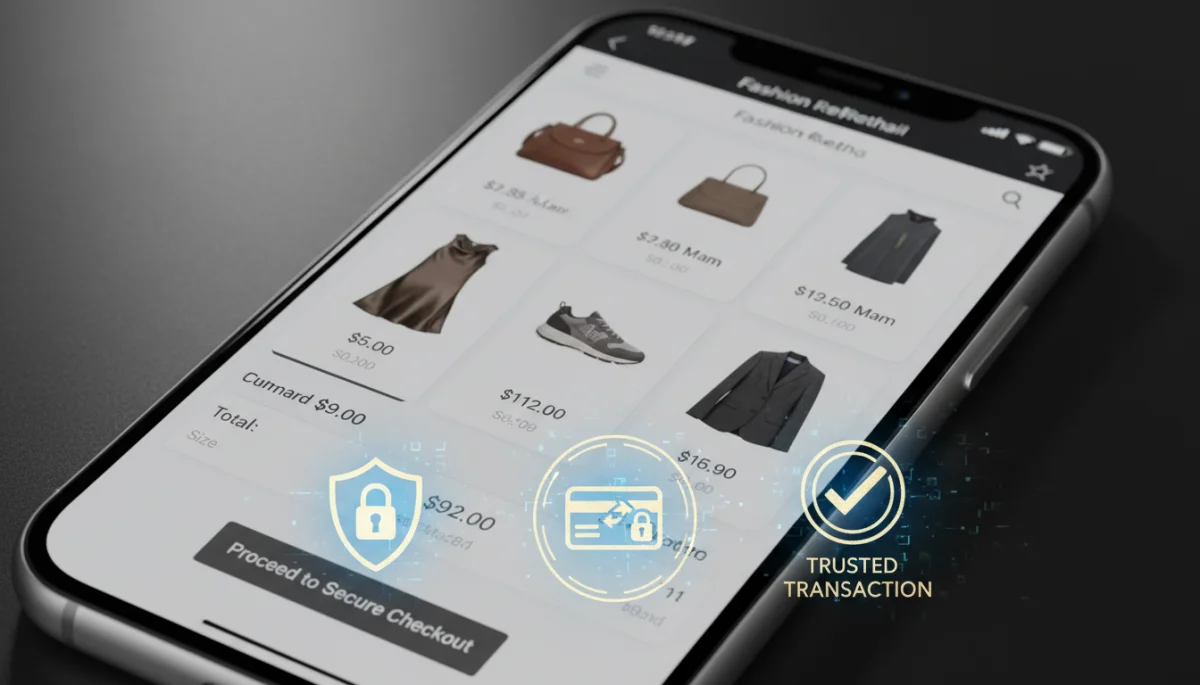

Beyond individual rights, the laws also mandate enhanced security protocols for retailers to protect against data breaches. This includes requirements for encryption, regular security audits, and clear protocols for notifying affected individuals in the event of a breach. For fashion shoppers, this translates into a more secure online shopping experience and greater peace of mind regarding the safety of their personal and financial information. The emphasis is on proactive protection rather than reactive damage control.
Clearer Return Policies and Dispute Resolution
One of the most common points of friction between fashion shoppers and retailers often revolves around return policies and the resolution of disputes. The 2026 consumer protection laws directly address these challenges by mandating clearer, more standardized return policies and establishing more accessible avenues for dispute resolution. These changes are designed to reduce ambiguity, improve customer satisfaction, and provide a fair recourse when purchases don’t meet expectations.
Retailers will now be required to prominently display their return policies in an easily understandable format, both in-store and online. This includes clearly stating the return window, conditions for returns (e.g., tags attached, unworn), and any associated fees. The goal is to eliminate hidden clauses or overly complicated language that can confuse consumers and lead to frustration. Transparency in this area is paramount for building trust and ensuring a positive shopping experience.
New standards for returns and refunds
- Standardized Return Windows: While not universally mandated, there’s a push for more consistent return periods across the industry, especially for online purchases.
- Clear Refund Timelines: Retailers must provide specific timeframes for processing refunds once a return is accepted.
- Simplified Exchange Processes: Expect more streamlined procedures for exchanging items, reducing the hassle for shoppers.
Furthermore, the laws introduce provisions for more effective dispute resolution mechanisms. This may include requirements for retailers to participate in mediation or arbitration processes for unresolved customer complaints, offering an alternative to lengthy and costly legal battles. For shoppers, this means a more efficient and less intimidating way to address issues such as faulty products, incorrect orders, or unfulfilled promises. The emphasis is on resolving conflicts swiftly and equitably, ensuring that consumers are not left without options when problems arise.
Combating Misleading Advertising and Greenwashing
The rise of digital marketing and social media has opened new avenues for fashion brands to connect with consumers, but it has also created opportunities for misleading advertising and deceptive practices, particularly in the realm of sustainability. The 2026 consumer protection laws are taking a firm stance against such tactics, aiming to protect shoppers from false claims and ensure that marketing messages are honest and verifiable. This is especially critical for the growing segment of consumers seeking genuinely sustainable and ethically produced fashion.
“Greenwashing,” the practice of making unsubstantiated or exaggerated environmental claims, is a major target of these new regulations. Brands will face stricter penalties for promoting products as “eco-friendly,” “sustainable,” or “carbon-neutral” without concrete evidence to support these assertions. This means more rigorous checks on the entire supply chain, from raw material sourcing to manufacturing processes, to ensure that claims are legitimate and not merely marketing ploys.
How to spot and report misleading claims
- Look for Specifics: Be wary of vague terms; legitimate sustainable claims usually provide specific details (e.g., percentage of recycled content, certified organic materials).
- Check for Certifications: Reputable third-party certifications (e.g., GOTS, Fair Trade) offer independent verification of sustainability claims.
- Research the Brand: Investigate a brand’s overall commitment to sustainability beyond a single product line.
Beyond environmental claims, the laws also address misleading pricing strategies, such as deceptive sales promotions or inflated “original” prices. Retailers will be required to be transparent about pricing history and discount validity, preventing consumers from being tricked into perceiving a better deal than they are actually receiving. This renewed focus on truth in advertising empowers shoppers to make purchasing decisions based on accurate information, fostering a more trustworthy and transparent marketplace for fashion.
What These Laws Mean for Your Fashion Shopping Habits
The introduction of the 2026 consumer protection laws is not just a regulatory update; it’s a fundamental shift that will empower US fashion shoppers and likely influence how you approach your purchasing decisions. These changes encourage a more informed, conscious, and secure shopping experience, pushing both online and brick-and-mortar retailers towards greater accountability. Understanding these implications can help you leverage the new protections to your advantage.
Firstly, you can expect to see clearer labeling and more detailed product information. This means less guesswork about where your clothes come from, what they’re made of, and their environmental impact. Armed with this knowledge, you can align your purchases with your personal values, whether that’s supporting ethical labor, choosing sustainable materials, or avoiding certain chemicals. This increased transparency fosters a more responsible consumption pattern.
Empowering your shopping decisions
- Informed Choices: With clearer data, you can consciously choose brands that align with your ethical and environmental preferences.
- Greater Confidence: Knowing your data is protected and returns are clearer provides peace of mind, especially for online purchases.
- Advocacy Power: The new laws give you more tools to hold brands accountable for their claims and practices.
Secondly, the enhanced data privacy measures mean you’ll have more control over your personal information. This can lead to a more personalized yet secure online shopping experience, where you dictate how your data is used for marketing or personalized recommendations. Finally, the improved dispute resolution mechanisms mean you have stronger avenues for recourse if something goes wrong with a purchase. This collective empowerment encourages you to be a more discerning and confident fashion consumer in 2026 and beyond, actively shaping a more responsible industry.
| Key Aspect | Shopper Impact |
|---|---|
| Product Transparency | Clearer labels on materials, origin, and sustainability claims. |
| Data Privacy | Greater control over personal data, stronger security measures. |
| Return Policies | More explicit and standardized return conditions and processes. |
| Misleading Ads | Stricter rules against greenwashing and deceptive pricing. |
Frequently Asked Questions About 2026 Fashion Consumer Laws
The primary goal is to enhance transparency, strengthen data privacy, and provide clearer recourse for US fashion shoppers, ensuring a more informed and secure purchasing experience in an evolving retail landscape.
Online fashion purchases will benefit from stricter data privacy rules requiring explicit consent for data use, clearer digital product descriptions, and more transparent return policies, reducing ambiguity and enhancing trust.
Greenwashing refers to misleading environmental claims. The new laws combat this by requiring verifiable evidence for sustainability claims, ensuring brands provide accurate information about their products’ environmental impact.
Yes, the new laws grant you the right to access, rectify, and even request the deletion of your personal data held by fashion retailers, giving you greater control over your information.
You should first attempt to resolve the issue directly with the retailer. If unsuccessful, the new laws establish more accessible dispute resolution mechanisms, and you can report violations to relevant consumer protection agencies.
Conclusion
The 2026 consumer protection laws represent a significant stride towards a more transparent, ethical, and consumer-friendly fashion industry in the United States. By understanding these new regulations, US fashion shoppers are better equipped to make informed purchasing decisions, protect their personal data, and navigate potential disputes with greater confidence. These legislative changes empower individuals to demand more from brands, fostering a marketplace where trust and accountability are paramount. Staying informed about these evolving rights is key to a secure and satisfying shopping experience in the years to come.