Digital-First Fashion: Innovations Shaping US Style by 2026
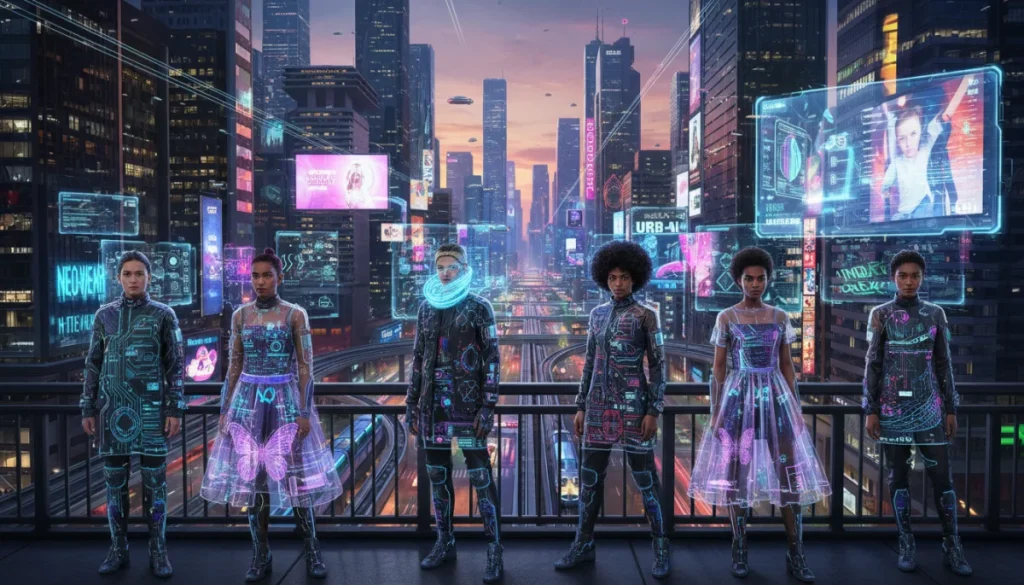
Digital-first fashion innovations like AI personalization, metaverse integration, and sustainable virtual garments are fundamentally reshaping US style by mid-2026.
The fashion landscape is undergoing a monumental shift, driven by technological advancements that are redefining how Americans interact with style. By mid-2026, digital-first fashion innovations will not just be novelties but integral components of the US style identity, influencing everything from design to consumption. This transformation promises a more personalized, immersive, and sustainable future for fashion enthusiasts across the nation.
The Dawn of AI-Driven Personalization in Style
Artificial intelligence is no longer a futuristic concept but a present-day reality, deeply embedded in the fabric of the fashion industry. Its impact on personalization is particularly profound, moving beyond simple recommendations to craft truly unique and dynamic style experiences for consumers across the United States. This era marks a significant departure from mass-market trends, ushering in an age where individual preference reigns supreme.
AI’s capability to analyze vast datasets—including purchasing history, browsing behavior, social media interactions, and even biometric data—allows for an unprecedented understanding of consumer tastes. This analytical power is transforming how brands engage with their audience, enabling them to offer highly curated selections that resonate on a personal level. The result is a more efficient shopping journey and a stronger connection between individuals and their wardrobes.
Predictive Styling and Virtual Wardrobes
One of the most exciting applications of AI is in predictive styling, where algorithms can anticipate fashion trends and individual preferences before they even fully materialize. This allows brands to create collections that are inherently more appealing and reduces waste associated with overproduction. Consumers benefit from access to styles that feel tailor-made for them, often discovering new looks they might not have considered otherwise.
- Algorithmic Trend Forecasting: AI analyzes social media, runway shows, and street style to predict upcoming trends with remarkable accuracy.
- Personalized Outfit Curation: Systems suggest complete outfits based on existing wardrobe items and new acquisitions, enhancing utility and style.
- Size and Fit Recommendations: Advanced AI models use body scans and fit data to ensure perfect sizing, reducing returns and improving customer satisfaction.
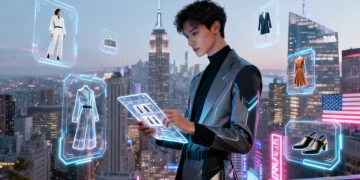
Beyond predictions, AI is also powering virtual wardrobe applications. These platforms allow users to digitize their clothing, mix and match items virtually, and receive AI-powered styling advice. This not only helps consumers maximize their current wardrobe but also informs future purchasing decisions, ensuring every new item is a thoughtful addition. The integration of AI into these personal styling tools is making fashion more accessible and less daunting for many.
The rise of AI-driven personalization signifies a paradigm shift in how fashion is conceived, marketed, and consumed. It’s about empowering the individual, offering them a voice in their style journey, and ensuring that the clothes they wear truly reflect who they are. By mid-2026, this technology will be a cornerstone of the US fashion experience, making bespoke style solutions a mainstream reality.
Metaverse Integration: Fashion’s New Frontier
The metaverse, once a concept confined to science fiction, is rapidly evolving into a tangible space where fashion is finding new forms of expression and commerce. For US consumers, this virtual realm offers unparalleled opportunities to experiment with identity, engage with brands, and experience fashion in ways that transcend physical limitations. By mid-2026, metaverse integration will be a crucial driver of innovation in the US style industry.
Brands are increasingly establishing their presence in virtual worlds, creating digital storefronts, hosting virtual fashion shows, and even launching exclusive NFT (Non-Fungible Token) collections. These ventures allow them to connect with younger, digitally native audiences and explore creative avenues unconstrained by material costs or physical logistics. The metaverse provides a canvas for designers to push boundaries and for consumers to immerse themselves in unique brand narratives.
Virtual Fashion Shows and Digital Collectibles
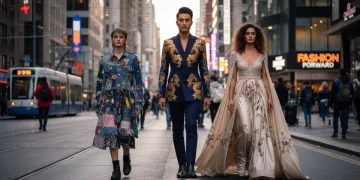
Virtual fashion shows within the metaverse are revolutionizing how collections are presented. These events can be accessed globally, offering an inclusive and interactive experience that traditional runway shows cannot replicate. Attendees can customize their avatars, interact with other guests, and even purchase digital versions of the showcased garments for their virtual personas. This democratizes access to high fashion and fosters a more engaged community.
- Global Accessibility: Virtual shows break down geographical barriers, allowing anyone with an internet connection to attend.
- Interactive Experiences: Avatars can engage with designers, explore virtual showrooms, and participate in post-show events.
- Lower Environmental Impact: Reduced need for physical travel, production, and waste associated with traditional events.
Digital collectibles, particularly fashion NFTs, are another burgeoning aspect of metaverse integration. These unique digital assets represent ownership of virtual garments, accessories, or even experiences. They offer a new form of status symbol and a way for consumers to express their individuality in the digital sphere. The scarcity and verifiable ownership of NFTs also create a new economy around virtual fashion, attracting both collectors and investors.
The metaverse is not just about replicating physical fashion online; it’s about creating entirely new paradigms. From gravity-defying designs to garments that react to user emotions, the possibilities are endless. As the metaverse matures, its role in shaping US style will only grow, offering a dynamic and imaginative platform for fashion exploration and consumption. This digital frontier promises to redefine what it means to be fashionable in the 21st century.
Sustainable Virtual Garments: A Greener Wardrobe
As environmental concerns intensify, the fashion industry faces increasing pressure to adopt more sustainable practices. Digital-first fashion offers a compelling solution through the emergence of sustainable virtual garments. These garments, existing purely in the digital realm, significantly reduce the ecological footprint associated with traditional clothing production, providing a greener alternative for style-conscious US consumers by mid-2026.
The production of physical clothing is resource-intensive, requiring vast amounts of water, energy, and raw materials, often leading to significant waste and pollution. Virtual garments bypass these issues entirely. They are designed, created, and consumed digitally, eliminating the need for physical resources, transportation, and manufacturing processes. This inherent sustainability makes them an attractive option for both brands aiming to improve their environmental credentials and consumers seeking eco-friendly choices.

Reduced Waste and Ethical Production
One of the most significant benefits of sustainable virtual garments is the drastic reduction in waste. The fast fashion cycle often results in millions of tons of clothing ending up in landfills annually. Virtual fashion, by its very nature, produces zero physical waste. This allows for rapid trend adoption and experimentation without contributing to environmental degradation.
- Zero Physical Waste: No fabric scraps, dyes, or discarded garments contribute to landfills.
- Minimal Resource Consumption: Eliminates the need for water, energy, and raw materials used in manufacturing.
- Ethical Labor Practices: Avoids issues related to sweatshops and unfair labor often found in traditional supply chains.
Furthermore, virtual garments offer a solution to the ethical challenges prevalent in the global fashion supply chain. Without physical production, concerns about exploitative labor practices, unsafe working conditions, and child labor are negated. This allows consumers to engage with fashion knowing that their choices do not contribute to social injustices, aligning their style with their values.
Beyond environmental and ethical advantages, virtual garments also allow for boundless creativity. Designers can experiment with materials, forms, and textures that would be impossible or prohibitively expensive to produce physically. This opens up new artistic possibilities and enables consumers to wear truly unique and fantastical pieces for digital content creation, virtual events, or metaverse interactions. The rise of sustainable virtual garments is not just a trend; it’s a fundamental shift towards a more responsible and imaginative future for fashion.
The Intersection of Physical and Digital Fashion
While digital-first fashion innovations are gaining traction, it’s crucial to understand that they are not entirely displacing physical clothing but rather creating a richer, more integrated fashion ecosystem. By mid-2026, the US style landscape will be defined by a dynamic interplay between the tangible and the virtual, where each realm enhances the other. This convergence is giving rise to hybrid experiences and products that cater to a multifaceted consumer.
Consider the concept of “phygital” fashion, where physical garments come with a digital twin, often in the form of an NFT. This digital counterpart can offer verifiable authenticity, grant access to exclusive online communities, or even be worn by an avatar in the metaverse. This blending of worlds adds layers of value and utility to fashion, appealing to consumers who appreciate both the tactile experience of clothing and the innovative possibilities of digital ownership.
Augmented Reality Try-Ons and Digital Showrooms
Augmented reality (AR) is bridging the gap between physical and digital in practical ways, particularly in retail. AR try-on experiences allow customers to virtually ‘wear’ clothes using their smartphones or smart mirrors, seeing how garments would look on their own bodies without physically trying them on. This technology enhances the online shopping experience, reduces returns, and brings a playful, interactive element to retail.
- Enhanced Online Shopping: AR try-ons provide a realistic preview, boosting confidence in purchases.
- Reduced Returns: Better fit visualization leads to fewer size and style-related returns.
- Interactive In-Store Experience: Smart mirrors offer virtual styling advice and try-ons, blending digital convenience with physical presence.
Digital showrooms are also transforming how brands present collections to buyers and consumers. Instead of physically transporting samples, brands can create immersive virtual environments where garments can be viewed in 3D, rotated, and even customized. This not only saves resources but also allows for greater flexibility and accessibility, reaching a wider audience and streamlining the wholesale process. The synergy between physical and digital is creating a more efficient, engaging, and personalized fashion journey.
The future of US style is not about choosing between physical or digital; it’s about embracing both. The intersection of these realms offers unprecedented opportunities for creativity, sustainability, and consumer engagement. As technology continues to evolve, we can expect even more innovative ways for physical and digital fashion to intertwine, creating a truly holistic and exciting landscape for style enthusiasts.
Accessibility and Inclusivity in Digital Fashion
One of the most compelling aspects of digital-first fashion innovations is their inherent potential to foster greater accessibility and inclusivity within the industry. Traditional fashion often faces criticisms regarding its exclusivity, size limitations, and lack of diverse representation. However, the digital realm offers a blank canvas where these barriers can be dismantled, creating a more welcoming space for all US style enthusiasts by mid-2026.
Digital fashion, by its very nature, is not constrained by physical sizing. Virtual garments can be designed to fit any avatar, body type, or digital representation, eliminating the need for restrictive size charts. This means that individuals who struggle to find suitable clothing in physical stores can freely express themselves through digital fashion, experiencing a sense of belonging and empowerment that might be absent in the real world.
Diverse Representation and Adaptive Design
The digital space also provides an unparalleled platform for diverse representation. Brands and creators can design virtual collections that cater to a broader spectrum of cultural identities, body shapes, and personal styles without the logistical complexities of physical production. This allows for a more authentic reflection of the diverse US population, moving away from narrow beauty standards and embracing a multitude of expressions.
- Beyond Size Constraints: Digital garments can be scaled and adapted to any virtual body, promoting body positivity.
- Global Cultural Expression: Easier to incorporate diverse cultural aesthetics without manufacturing hurdles.
- Inclusive Avatar Customization: Users can create avatars that truly represent them, fostering a stronger sense of self.
Moreover, digital fashion encourages adaptive design. Designers can experiment with features that cater to specific needs or preferences, such as garments that change color or texture based on mood, or designs that are inherently accessible for individuals with disabilities in virtual environments. This level of customization and responsiveness goes beyond what is typically feasible in physical fashion, opening up entirely new avenues for personal expression and utility.
The democratizing power of digital fashion extends to its creation as well. Aspiring designers no longer need vast capital to launch a collection; they can leverage digital tools to create and showcase their work to a global audience. This lowers the barrier to entry, fostering a more diverse and innovative design community. As digital-first fashion continues to evolve, its role in making style more accessible and inclusive for everyone in the US will only become more pronounced, shaping a future where fashion truly is for all.
Challenges and the Road Ahead for Digital Fashion
While the promise of digital-first fashion is immense, its widespread adoption and impact on US style by mid-2026 are not without challenges. Navigating these hurdles will be crucial for the sustained growth and integration of these innovations into everyday life. Understanding these obstacles allows for strategic development and ensures that the benefits of digital fashion are realized to their fullest potential.
One primary challenge lies in consumer education and adoption. Many consumers are still unfamiliar with concepts like virtual garments, NFTs, or even advanced AI personalization. Bridging this knowledge gap requires clear communication from brands and platforms, demonstrating the value and ease of use of these new technologies. Without widespread understanding and acceptance, even the most groundbreaking innovations may struggle to gain traction beyond early adopters.
Technological Infrastructure and Digital Literacy
The underlying technological infrastructure is another critical consideration. High-quality digital fashion experiences, especially in the metaverse, demand robust internet connectivity and powerful devices. Ensuring equitable access to this technology across all demographics and regions within the US is vital to prevent a digital divide in fashion consumption. Investment in infrastructure and promoting digital literacy are key components of this transition.
- Internet Accessibility: Ensuring high-speed internet is available to support immersive digital experiences.
- Device Compatibility: Developing platforms that are accessible across a range of devices, not just high-end ones.
- User-Friendly Interfaces: Designing intuitive platforms that minimize technical barriers for average consumers.
Furthermore, issues surrounding digital ownership, intellectual property, and cybersecurity in the metaverse and NFT space need robust frameworks. As virtual assets gain real-world value, protecting creators and consumers from fraud, theft, and misuse becomes paramount. Establishing clear legal guidelines and secure platforms will build trust and encourage greater participation in the digital fashion economy.
Despite these challenges, the trajectory for digital-first fashion in the US remains overwhelmingly positive. Continuous innovation, strategic partnerships, and a commitment to user experience will pave the way for a future where digital and physical fashion coexist harmoniously. The road ahead involves not just technological advancement but also a cultural shift, embracing new ways of engaging with style and expression in an increasingly digital world.
| Key Innovation | Impact on US Style by Mid-2026 |
|---|---|
| AI-Driven Personalization | Highly customized style recommendations and virtual wardrobes, moving beyond mass trends. |
| Metaverse Integration | New avenues for identity expression, virtual fashion shows, and digital collectibles. |
| Sustainable Virtual Garments | Significant reduction in fashion waste and environmental footprint with digital clothing. |
| Phygital Experiences | Blending physical and digital fashion for enhanced value and interactive engagement. |
Frequently Asked Questions About Digital-First Fashion
Digital-first fashion refers to clothing and accessories designed and experienced primarily in digital environments, such as virtual worlds, augmented reality, or social media. It often exists without a physical counterpart, focusing on digital aesthetics and functionality.
AI analyzes your past purchases, browsing history, social media activity, and even body data to predict your preferences and suggest highly personalized outfits or items. This goes beyond basic recommendations, offering truly tailored styling advice and trend insights.
Yes, virtual garments are inherently sustainable as they require no physical resources for production, eliminate manufacturing waste, and reduce the need for transportation. They offer a zero-waste alternative to traditional fast fashion, minimizing environmental impact significantly.
The metaverse provides a new platform for fashion brands to showcase collections, host virtual events, and sell digital wearables for avatars. It allows for boundless creativity, immersive experiences, and new forms of consumer engagement through digital ownership and expression.
It’s unlikely to fully replace physical clothing. Instead, digital fashion is expected to complement and enhance it, creating a “phygital” ecosystem. This integration will offer consumers more options for expression, sustainability, and personalized style across both real and virtual worlds.
Conclusion
The landscape of US style is undergoing an unprecedented transformation, with digital-first fashion innovations leading the charge. By mid-2026, the integration of AI-driven personalization, the expansive reach of metaverse fashion, and the sustainable promise of virtual garments will have fundamentally reshaped how Americans interact with clothing. This evolution is not merely about technological advancement but about fostering a more inclusive, creative, and environmentally conscious approach to self-expression. As these innovations continue to mature, they will offer a dynamic and multifaceted future for fashion, blending the tangible with the virtual to create truly unique style experiences.