2026 Sustainable Wardrobe: 5 Essential Style Hacks for US Fashion
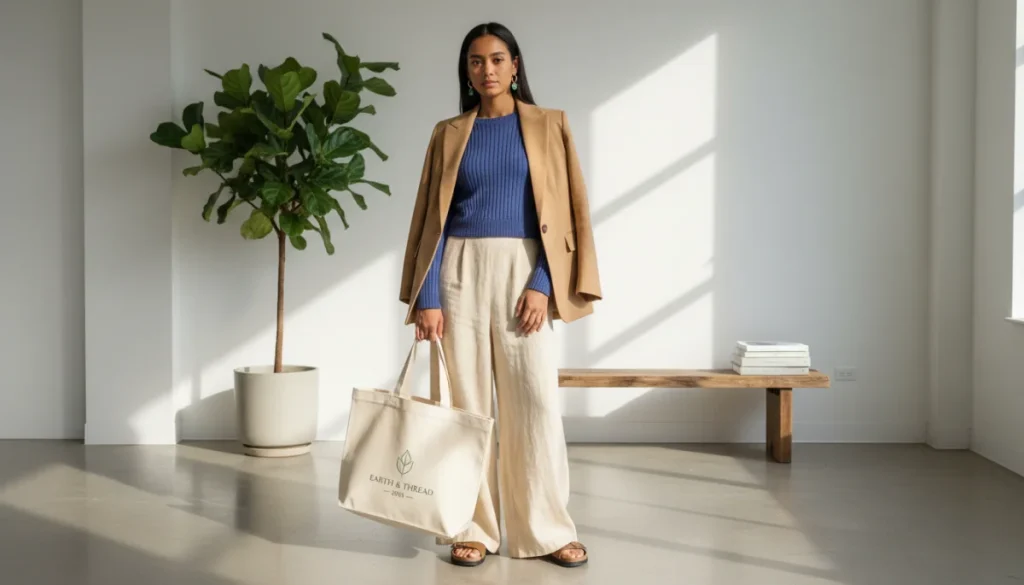
Mastering your 2026 wardrobe for sustainable fashion in the US involves practical solutions like conscious consumption and embracing circularity for lasting style.
Mastering Your 2026 Wardrobe: 5 Essential Style Hacks for Sustainable Fashion in the US (PRACTICAL SOLUTIONS) is not just about following trends; it’s about making conscious choices that benefit both your personal style and the planet. As we navigate a rapidly evolving fashion landscape, embracing sustainability becomes paramount for every savvy consumer.
Understanding the Shift to Sustainable Fashion in 2026
The fashion industry in the United States is undergoing a significant transformation, with a growing emphasis on sustainability. Consumers are increasingly aware of the environmental and social impacts of fast fashion, leading to a demand for more ethical and eco-friendly alternatives. This shift is not merely a trend but a fundamental change in how we perceive and interact with our clothing.
In 2026, sustainable fashion is no longer a niche concept but a mainstream expectation. Brands are being held accountable for their supply chains, production methods, and overall environmental footprint. For individuals, this means a greater opportunity to align personal values with purchasing decisions, fostering a wardrobe that is both stylish and responsible.
The Environmental Imperative
- Resource Depletion: Traditional fashion often relies on vast amounts of water, energy, and raw materials, many of which are non-renewable. Sustainable practices aim to minimize this consumption.
- Pollution: Textile dyeing and finishing processes can release harmful chemicals into waterways, while microplastic shedding from synthetic fabrics pollutes oceans.
- Waste Generation: The rapid cycle of fast fashion contributes significantly to landfill waste, as garments are quickly discarded after minimal use.
The imperative to address these issues drives innovation in sustainable materials, production techniques, and consumer behavior. Understanding these challenges is the first step toward building a truly sustainable wardrobe.
Ultimately, the transition to sustainable fashion in 2026 is about making informed choices that support a healthier planet and fairer labor practices. It encourages a deeper connection to our clothes, moving away from disposable attitudes towards appreciation and longevity. This foundational understanding is crucial for implementing practical style hacks effectively.
Hack 1: Embrace the Power of a Capsule Wardrobe
Creating a capsule wardrobe is one of the most effective strategies for mastering your 2026 wardrobe with a sustainable mindset. This approach involves curating a limited collection of versatile, high-quality clothing items that can be mixed and matched to create numerous outfits. The goal is to reduce consumption, minimize decision fatigue, and ensure every piece in your closet serves a purpose.
A well-constructed capsule wardrobe typically focuses on timeless pieces in neutral colors, allowing for easy integration with seasonal accessories or statement items. This method encourages thoughtful purchasing and a deeper appreciation for the garments you own, moving away from impulse buys and towards intentional styling.
Building Your Core Collection
- Identify Your Style: Understand your personal aesthetic and lifestyle needs. What colors, silhouettes, and fabrics make you feel best?
- Assess Your Current Wardrobe: Take stock of what you already own. Keep items that are well-loved, fit well, and align with your identified style.
- Choose Versatile Pieces: Select items that can be dressed up or down and worn in multiple seasons. Think classic shirts, tailored trousers, durable denim, and adaptable outerwear.
The beauty of a capsule wardrobe lies in its adaptability. While the core remains constant, you can periodically swap out a few items to reflect changing seasons or evolving personal tastes, all while maintaining a minimal and sustainable collection. This prevents the constant need for new purchases, significantly reducing your fashion footprint.
By embracing a capsule wardrobe, you not only streamline your daily routine but also make a powerful statement against overconsumption. It’s a practical solution that proves less truly can be more, fostering a deeper connection with your clothes and promoting long-term sustainability.
Hack 2: Prioritize Quality Over Quantity
In the pursuit of mastering your 2026 wardrobe sustainably, a critical principle is to prioritize quality over quantity. Investing in well-made garments that are designed to last significantly reduces the need for frequent replacements, thereby lessening your environmental impact. This approach stands in stark contrast to the fast fashion model, which often relies on cheap materials and shoddy construction, leading to a short lifespan for clothing.
High-quality items, while sometimes having a higher upfront cost, often prove more economical in the long run due to their durability and timeless appeal. They withstand repeated washes and wear, retaining their shape and color, and contributing to a more sustainable consumption cycle. Furthermore, ethical brands often prioritize fair labor practices and sustainable sourcing, making your purchase a more responsible one.
Recognizing Quality Fabrics and Construction
- Natural Fibers: Look for organic cotton, linen, hemp, Tencel, and responsibly sourced wool. These materials are often more durable and biodegradable.
- Strong Stitching: Examine seams for tight, even stitching. Double stitching or French seams indicate better craftsmanship.
- Hardware Durability: Zippers, buttons, and clasps should be sturdy and securely attached, as these are often points of failure in cheaper garments.
Understanding what constitutes quality in clothing empowers you to make smarter purchasing decisions. It’s about being a discerning consumer who values craftsmanship and longevity. This discernment helps you build a wardrobe that not only looks good but also aligns with sustainable principles.
By choosing quality, you are actively participating in a slower, more thoughtful fashion cycle. This hack encourages you to see clothing as an investment rather than a disposable commodity, fostering a deeper appreciation for the resources and labor involved in its creation. It’s a practical step towards a more sustainable and enduring personal style.
Hack 3: Embrace Secondhand and Vintage Shopping
One of the most impactful ways to achieve sustainable fashion in the US for your 2026 wardrobe is by embracing secondhand and vintage shopping. This practice directly supports the circular economy by extending the life cycle of clothing items, diverting them from landfills, and reducing the demand for new production. The thrill of finding unique pieces that tell a story also adds a distinctive charm to your personal style.
The secondhand market has evolved significantly, moving beyond traditional thrift stores to include online platforms, consignment shops, and curated vintage boutiques. This accessibility makes it easier than ever to discover pre-loved treasures that are both fashionable and eco-conscious. It’s an excellent way to experiment with trends without contributing to fast fashion’s environmental burden.
Tips for Successful Secondhand Shopping
When diving into the world of secondhand fashion, a few strategies can enhance your experience and ensure you find pieces that truly complement your wardrobe. Being patient and having a clear idea of what you’re looking for can make all the difference.
- Know Your Measurements: Sizes vary widely across brands and eras, so knowing your precise measurements is crucial for a good fit.
- Inspect for Quality: Carefully check garments for stains, tears, or damage. While some minor flaws can be fixed, major issues might make the item impractical.
- Have an Open Mind: Sometimes the best finds are unexpected. Be open to trying different styles or items you wouldn’t typically consider new.
Embracing secondhand shopping is a powerful statement against consumerism and a practical solution for building a unique, sustainable wardrobe. It allows you to express your individuality while contributing positively to environmental conservation. This hack demonstrates that style and sustainability can go hand-in-hand.
By choosing to buy pre-owned items, you actively participate in reducing waste and conserving resources. It’s a tangible way to make your fashion choices more responsible and align your wardrobe with broader environmental goals. This approach redefines what it means to be stylish in 2026, favoring character and consciousness over fleeting trends.
Hack 4: Master the Art of Clothing Care and Repair
A fundamental yet often overlooked aspect of sustainable fashion in the US for your 2026 wardrobe is mastering the art of clothing care and repair. Extending the lifespan of your garments through proper maintenance and timely fixes significantly reduces textile waste and the need for new purchases. This practice not only saves you money but also fosters a deeper appreciation for your clothes and the resources used to create them.
Many garments are discarded prematurely due to simple issues like a loose button, a small tear, or improper washing. Learning basic mending skills and adopting mindful laundry routines can dramatically increase the longevity of your wardrobe. It transforms you from a passive consumer into an active steward of your clothing.
Essential Clothing Care Practices
- Follow Care Labels: Always check garment care labels for specific washing, drying, and ironing instructions. These guidelines are designed to preserve the fabric and construction of your clothes.
- Wash Less Frequently: Over-washing can damage fibers and fade colors. Only wash clothes when they are truly dirty, and consider spot cleaning for minor spills.
- Air Dry When Possible: Tumble dryers consume a lot of energy and can be harsh on fabrics. Air drying extends garment life and saves energy.
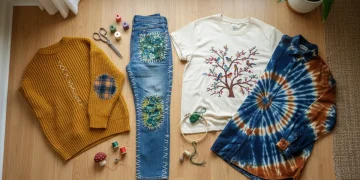
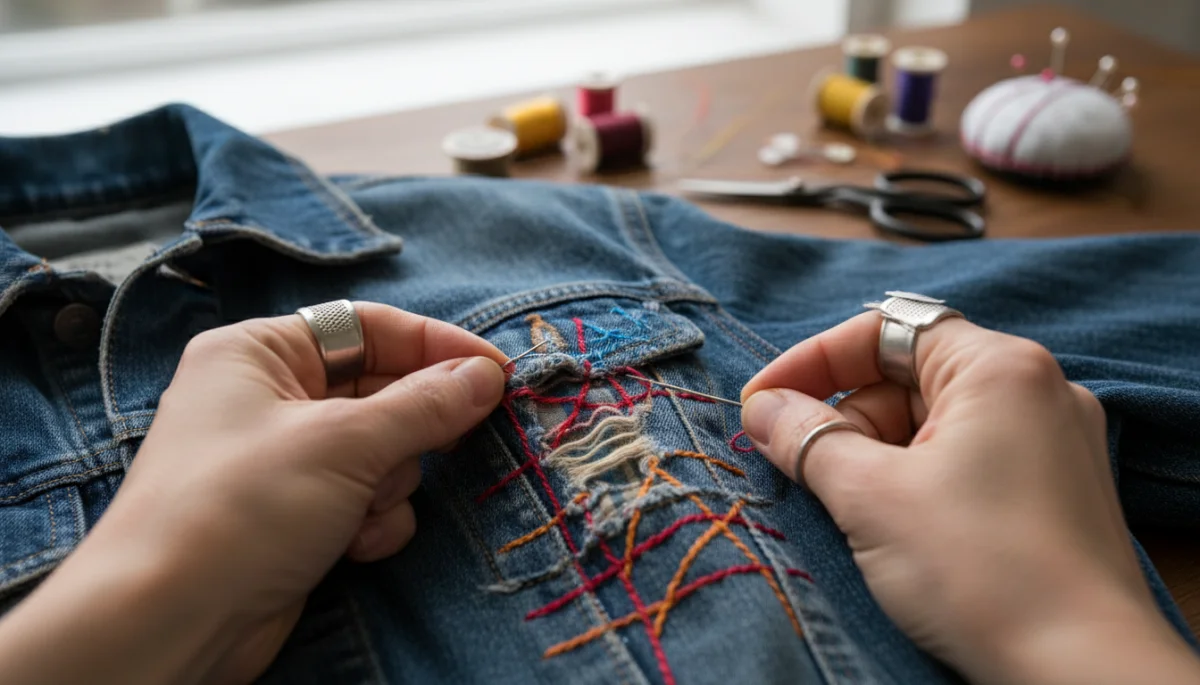
Beyond basic care, learning simple repair techniques like sewing on a button, mending a seam, or patching a small hole can be incredibly empowering. Resources like online tutorials and local workshops make these skills accessible to everyone. Visible mending, where repairs are intentionally highlighted, has even become a fashionable statement, celebrating the history and resilience of a garment.
By investing time in caring for and repairing your clothes, you actively participate in a sustainable fashion cycle. This hack is a practical solution that empowers you to take control of your wardrobe’s longevity, reducing your environmental footprint and fostering a more mindful approach to consumption. It’s about valuing what you own and making it last.
Hack 5: Support Ethical and Transparent Brands
Supporting ethical and transparent brands is a cornerstone of mastering your 2026 wardrobe with a sustainable focus. As consumers become more discerning, the demand for companies that prioritize fair labor practices, environmental stewardship, and supply chain transparency has grown exponentially. Choosing these brands ensures your fashion dollars contribute to a more responsible and equitable industry.
Ethical brands typically commit to fair wages, safe working conditions, and no child labor throughout their production process. Transparent brands go a step further by openly sharing information about their sourcing, manufacturing, and environmental impact, allowing consumers to make truly informed decisions. This level of accountability is vital for driving systemic change in fashion.
Identifying Truly Ethical Brands
Navigating the ethical fashion landscape requires a keen eye, as ‘greenwashing’ – where companies make misleading claims about their sustainability – is prevalent. Look for verifiable certifications and clear evidence of their commitments.
- Certifications: Seek out certifications like GOTS (Global Organic Textile Standard), Fair Trade Certified, B Corp, and OEKO-TEX, which verify specific ethical and environmental standards.
- Transparency Reports: Many ethical brands publish annual sustainability reports detailing their progress, challenges, and goals.
- Material Sourcing: Investigate where their materials come from and how they are processed. Look for recycled, organic, or innovative sustainable materials.
Beyond certifications, a brand’s overall philosophy and mission can indicate its commitment to sustainability. Do they promote longevity, repair services, or take-back programs? These initiatives demonstrate a holistic approach to responsible production and consumption. Supporting such brands sends a clear message to the industry that ethical practices are valued.
By consciously choosing to support ethical and transparent brands, you leverage your purchasing power to advocate for a better fashion future. This hack is a practical solution that aligns your personal style with your values, contributing to a more sustainable and just global economy. It’s a proactive step towards a wardrobe that you can truly feel good about.
The Future of Sustainable Style: Circularity and Innovation
As we continue on the path of mastering your 2026 wardrobe sustainably, understanding the broader concepts of circularity and innovation is crucial. The future of fashion lies in moving away from a linear ‘take-make-dispose’ model towards a circular one, where resources are kept in use for as long as possible, and waste is minimized. This vision is being driven by groundbreaking technologies and evolving consumer expectations.
Circular fashion involves designing products for durability, reuse, repair, and recycling. It also encompasses business models like rental services, resale platforms, and repair initiatives that keep garments circulating within the economy. Innovation plays a key role in developing new materials, manufacturing processes, and recycling technologies that support this closed-loop system.
Key Pillars of Circular Fashion
- Design for Longevity: Creating durable, timeless pieces that can withstand trends and wear.
- Material Innovation: Developing new materials from waste, bio-based sources, or advanced recycling techniques that minimize environmental impact.
- Extended Use: Promoting repair, redesign, and resale to keep clothing in use for longer.
- Recycling and Regeneration: Establishing effective systems for textile recycling to turn old garments into new fibers.
The role of technology in this evolution cannot be overstated. From AI-powered material sorting for recycling to blockchain for supply chain transparency, technological advancements are enabling more efficient and responsible practices. Consumers also have a role to play by embracing these new models and demanding more from brands.
Ultimately, the move towards circularity and innovation is about creating a fashion ecosystem that is regenerative by design. It’s a comprehensive approach that requires collaboration across the entire value chain, from designers to consumers. By understanding and supporting these developments, we contribute to a truly sustainable future for fashion, ensuring that our 2026 wardrobes are not just stylish but also responsible.
| Key Hack | Brief Description |
|---|---|
| Capsule Wardrobe | Curate versatile, high-quality items to reduce consumption and styling decisions. |
| Quality Over Quantity | Invest in durable garments that last longer, reducing waste and frequent replacements. |
| Secondhand Shopping | Extend clothing life and find unique pieces by buying pre-loved items. |
| Care and Repair | Master basic maintenance and mending to significantly prolong garment lifespan. |
Frequently Asked Questions About Sustainable Fashion
Sustainable fashion encompasses clothing and accessories produced with minimal environmental impact and ethical considerations for workers. It prioritizes longevity, fair labor, and reduced waste throughout the entire supply chain, from raw materials to end-of-life garment management, aiming for a circular economy.
Start by utilizing what you already own, then explore secondhand stores, consignment shops, and online resale platforms. Focus on versatile, high-quality basics that can be mixed and matched. Repairing existing clothes and swapping with friends are also excellent budget-friendly options for sustainable style.
While many eco-friendly materials like organic cotton or Tencel are better choices, their sustainability can vary based on production processes. Look for certifications such as GOTS or OEKO-TEX, which ensure specific environmental and social standards. Researching a material’s full lifecycle is key to understanding its true impact.
Circularity in sustainable fashion aims to eliminate waste and pollution by keeping materials in use. This involves designing durable products, promoting repair and reuse, and establishing effective recycling systems for textiles. It contrasts with the traditional linear ‘take-make-dispose’ model, creating a more regenerative system.
To ensure authenticity, look for third-party certifications like Fair Trade or B Corp. Check brands’ transparency reports or sustainability pages, which detail their supply chains, labor practices, and environmental initiatives. Be wary of ‘greenwashing’ and prioritize brands that are open about their challenges and progress.
Conclusion
Mastering your 2026 wardrobe: 5 essential style hacks for sustainable fashion in the US (PRACTICAL SOLUTIONS) is an achievable goal that benefits both your personal style and the planet. By embracing conscious consumption, prioritizing quality, exploring secondhand options, nurturing your existing garments, and supporting ethical brands, you contribute to a more responsible and enduring fashion ecosystem. These hacks are not just fleeting trends but foundational principles for a future where style and sustainability are intrinsically linked. The journey towards a sustainable wardrobe is continuous, but each thoughtful choice brings us closer to a more mindful and impactful way of dressing.