Smart Buying in 2026: Investment Pieces for 5+ Years

Smart buying in 2026 focuses on identifying and purchasing high-quality investment pieces designed to deliver enduring value and utility for five years or more.
As we navigate 2026, the concept of smart buying in 2026: how to identify and purchase investment pieces that will last 5+ years has become more relevant than ever. This guide will empower you to make deliberate choices that transcend fleeting trends, ensuring your purchases offer long-term value and satisfaction.
Understanding the Investment Mindset in 2026
The consumer landscape of 2026 calls for a shift from impulsive purchases to a more thoughtful, investment-oriented approach. This means evaluating items not just for their immediate appeal, but for their longevity, versatility, and potential to retain value over time. It’s about conscious consumption that benefits both your wallet and the planet.
Adopting an investment mindset involves recognizing that true value isn’t solely in the price tag, but in the enduring quality and utility an item provides. This perspective encourages consumers to prioritize durability, classic design, and ethical production, moving away from the fast-fashion and disposable culture that has dominated previous decades. It’s a proactive step towards building a curated collection of belongings that truly serve you.
The Shift Towards Durability and Sustainability
Consumers are increasingly demanding products that stand the test of time and have a minimal environmental footprint. This societal shift influences manufacturing, pushing brands to produce higher quality goods.
- Material Excellence: Prioritizing natural, robust, and ethically sourced materials.
- Craftsmanship: Valuing items made with attention to detail and skilled labor.
- Repairability: Choosing products that can be easily repaired, extending their lifespan.
- Timeless Design: Opting for aesthetics that transcend seasonal trends.
In essence, an investment mindset means viewing each purchase as a long-term commitment. It requires research, patience, and a clear understanding of what constitutes genuine quality. By doing so, you not only acquire superior items but also contribute to a more sustainable consumption model, reducing waste and fostering a greater appreciation for craftsmanship.
Identifying Quality Materials and Construction
The foundation of any investment piece lies in its materials and construction. In 2026, discerning buyers must become adept at recognizing the hallmarks of quality that ensure an item will withstand the rigors of time and use. This involves looking beyond surface aesthetics to understand the intrinsic value built into each product.
From textiles to electronics, the components and assembly methods dictate an item’s durability. Poor quality materials or shoddy construction will inevitably lead to premature wear and tear, diminishing the item’s value and requiring costly replacements. Therefore, a keen eye for these details is paramount for smart buying.
Fabrics and Textiles for Lasting Apparel
For clothing and home textiles, material composition is crucial. Natural fibers often offer superior durability and breathability compared to many synthetics, though advancements in synthetic technology are creating new durable options.
- Wool and Cashmere: Known for warmth, resilience, and natural wrinkle resistance.
- Linen and Cotton: Highly breathable, durable when woven tightly, and improve with age.
- Silk: Strong natural fiber, luxurious, and long-lasting with proper care.
- High-Quality Synthetics: Modern blends designed for performance, like certain technical fabrics for outerwear.
Beyond the raw materials, examine the stitching. Look for tight, even stitches, reinforced seams, and well-finished edges. Loose threads or uneven seams are red flags indicating rushed production and potential weakness. For furniture, solid wood construction, dove-tail joints, and sturdy hardware are indicators of longevity, contrasting sharply with particle board and staple-only assemblies. Metal items should feel substantial and show no signs of flimsy connections or cheap coatings that might chip or tarnish quickly. Electronics, while often having shorter lifespans due to rapid technological advancement, can still be chosen for quality components, robust casings, and repairability. Always research brands known for reliability and customer support. Recognizing these tangible indicators of quality empowers you to make purchases that truly endure.
Timeless Design vs. Fleeting Trends
One of the most critical aspects of purchasing an investment piece is its design. While trends are inherently cyclical and ephemeral, timeless designs possess an enduring aesthetic appeal that transcends passing fads. In 2026, distinguishing between the two is vital for ensuring your purchases remain relevant and cherished for years to come, rather than becoming outdated quickly.
Timeless design is characterized by simplicity, functionality, and a balanced aesthetic that doesn’t rely on novelty. It often draws inspiration from classic forms and proportions, making it versatile enough to integrate into various styles and evolving tastes. Investing in such pieces means your belongings will complement your life for a decade or more.
Characteristics of Enduring Style
Identifying timeless design requires a nuanced understanding of aesthetic principles that have stood the test of time. It’s about looking for pieces that evoke a sense of heritage and future simultaneously.
- Simplicity: Clean lines and minimal ornamentation often define timeless pieces.
- Versatility: Items that can be easily styled in different ways or fit into various environments.
- Proportion: Balanced and harmonious dimensions that are pleasing to the eye.
- Neutrality: While not exclusively, neutral colors and classic patterns tend to have greater longevity.
Consider the difference between a classic trench coat and a highly stylized, trend-driven jacket. The trench coat, with its utilitarian origins and elegant silhouette, has remained a wardrobe staple for over a century. Its design is inherently practical and adaptable, making it a true investment. Similarly, a simple, well-crafted leather bag in a classic silhouette will outlast a bag adorned with transient embellishments. For home furnishings, a mid-century modern armchair or a simple, solid wood dining table will likely look sophisticated for decades, while highly specific trendy items may feel dated within a few seasons. Choosing timeless pieces means investing in items that offer consistent aesthetic pleasure and functional utility, rather than succumbing to the pressure of constant updates driven by fast-paced trend cycles. This approach not only saves money in the long run but also cultivates a more refined and personal style that isn’t dictated by external influences.
Researching Brands and Ethical Production
In 2026, a significant part of smart buying involves thorough research into the brands themselves. Beyond the product, understanding a company’s reputation, its commitment to ethical production, and its after-sales service is crucial for making truly informed investment decisions. This due diligence ensures that your purchase aligns with your values and offers reliable support should issues arise.
The rise of conscious consumerism has brought transparency to the forefront. Brands that prioritize ethical labor practices, sustainable sourcing, and responsible manufacturing processes are often those that also produce higher quality goods. Conversely, companies cutting corners in production are likely doing so across their entire operation, which can impact product longevity.
Evaluating Brand Reputation and Customer Reviews
Before committing to a significant purchase, delve into what other consumers and industry experts are saying about the brand. Online reviews, independent product tests, and consumer reports can provide invaluable insights.
- Longevity of Brand: Brands with a long history often have established quality standards.
- Consistent Positive Feedback: Look for patterns of satisfaction regarding product durability and customer service.
- Return and Warranty Policies: Strong policies indicate confidence in their products.
- Transparency: Brands that openly share their manufacturing processes and material sourcing are generally more trustworthy.
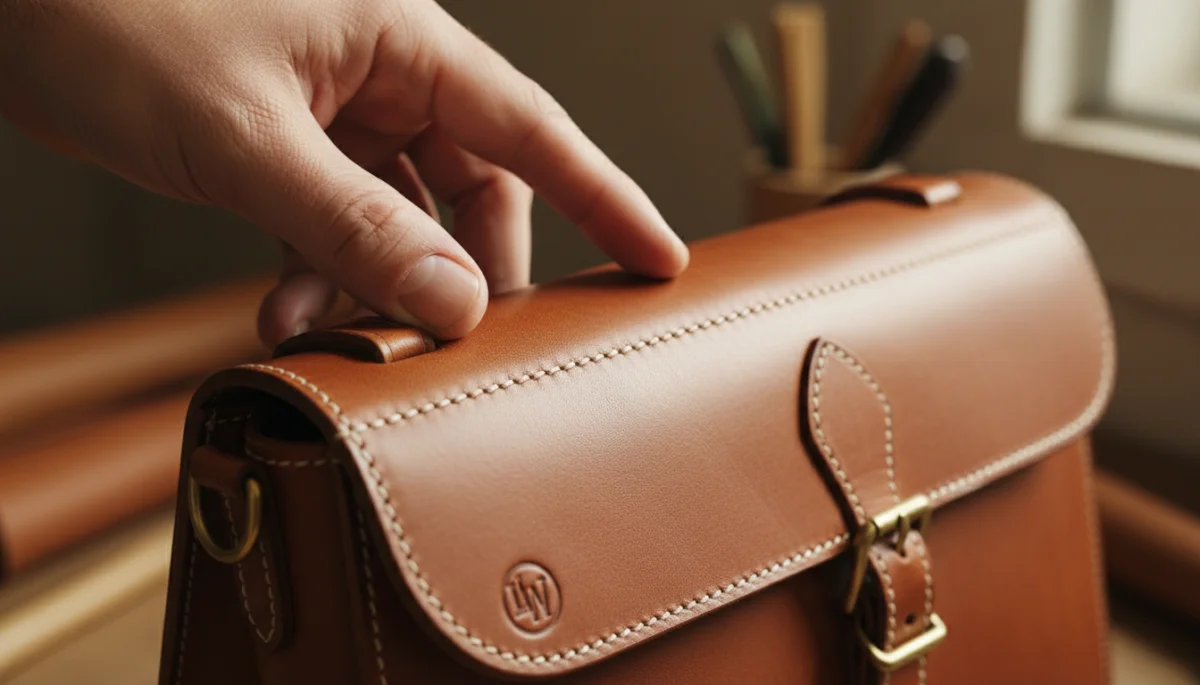
Beyond general reputation, investigate a brand’s specific claims regarding sustainability and ethical practices. Many companies now publish detailed reports on their environmental impact, supply chain, and labor conditions. Certifications from recognized third-party organizations can provide additional assurance. For instance, certifications for organic materials, fair trade practices, or energy efficiency offer verifiable proof of a brand’s commitment. A brand’s after-sales support, including repair services, spare parts availability, and customer service responsiveness, is also a critical factor for investment pieces. An item that can be easily repaired or maintained will last significantly longer than one that becomes disposable once a small component breaks. Ultimately, thorough brand research empowers you to not only acquire a high-quality product but also to support companies that align with your ethical and environmental standards, making your investment a truly responsible one.
The Role of Versatility and Adaptability
When considering an investment piece in 2026, its versatility and adaptability are as important as its inherent quality. An item that can serve multiple purposes, be styled in various ways, or adapt to changing needs and environments will naturally offer greater long-term value than a highly specialized or inflexible one. This principle applies across categories, from fashion to home goods.
A versatile item seamlessly integrates into different aspects of your life, extending its utility and preventing it from becoming obsolete as your lifestyle evolves. This foresight in selection prevents the need for frequent replacements, reinforcing the investment aspect of your purchase.
Maximizing Value Through Multi-functionality
Multi-functional items are inherently more valuable because they reduce the need for additional purchases and optimize space. This is particularly relevant in urban living contexts where space is often at a premium.
- Modular Furniture: Pieces that can be reconfigured to suit different room layouts or uses.
- Transitional Apparel: Clothing that can be dressed up or down, suitable for various occasions.
- Neutral Color Palettes: Items in neutral tones are easier to mix and match with existing belongings.
- Adaptable Accessories: Jewelry or bags that can be worn in multiple ways.
Consider a classic pair of leather boots. They can be worn with jeans for a casual look, with a dress for a more formal occasion, or even with professional attire. This versatility makes them a far better investment than a pair of highly specific, trend-driven shoes. Similarly, a well-designed bookshelf can serve not only for books but also for displaying decorative items, storing craft supplies, or even as a room divider. The ability of an item to adapt to different roles and styles significantly extends its lifespan and relevance. This approach to smart buying encourages a more minimalist and intentional lifestyle, where each item earns its place through its inherent utility and aesthetic contribution. By consciously choosing items that offer this flexibility, you create a more resilient and adaptable personal collection that can evolve with you over the years, making each purchase a truly enduring investment.
Maintenance and Care for Longevity
Even the highest quality investment pieces require diligent maintenance and proper care to truly last 5+ years, or even a lifetime. In 2026, understanding and implementing effective care routines is an integral part of smart buying, ensuring that your valuable acquisitions retain their beauty and functionality over time. Neglecting care can significantly shorten an item’s lifespan, regardless of its initial quality.
Proper maintenance isn’t just about cleaning; it involves understanding materials, appropriate storage, timely repairs, and following manufacturer guidelines. This proactive approach safeguards your investment and preserves its aesthetic and structural integrity.
Essential Care Practices for Various Items
Different materials and types of items demand specific care routines. Familiarizing yourself with these practices is key to maximizing the lifespan of your investment pieces.
- Apparel: Follow washing instructions precisely, air dry delicate items, store knitwear folded to prevent stretching, and use appropriate hangers for tailored garments.
- Leather Goods: Clean with specialized leather cleaners, condition regularly to prevent drying and cracking, and store in dust bags away from direct sunlight.
- Furniture: Dust regularly, use appropriate polishes or oils for wood, protect from direct sunlight and extreme temperatures, and address spills immediately.
- Jewelry: Clean with mild soap and water or professional solutions, store separately to prevent scratching, and have precious pieces professionally inspected periodically.
Beyond routine cleaning, be attentive to minor damages. A loose button, a small tear, or a wobbly furniture joint should be addressed promptly to prevent further deterioration. Learning basic repair skills, such as sewing a button or tightening a screw, can save money and extend the life of your items. For more complex repairs, seek out skilled artisans or authorized service centers. Many high-end brands offer repair services, which is another indicator of an investment-worthy company. Investing in quality care products, such as specific detergents for delicate fabrics, leather conditioners, or wood polishes, is also a small but significant part of protecting your larger investment. By committing to a regimen of mindful maintenance, you ensure that your carefully selected investment pieces continue to serve you well and look their best for many years, fulfilling their promise of lasting value.
Budgeting for Investment Pieces
While the allure of a high-quality, long-lasting item is strong, the initial cost of investment pieces can often be higher. In 2026, smart buying necessitates strategic budgeting to accommodate these purchases without financial strain. It’s about viewing these expenditures not as expenses, but as allocations towards long-term value and reduced future costs.
Effective budgeting for investment pieces involves planning, prioritizing, and sometimes saving over time. It shifts the focus from immediate gratification to delayed, but ultimately more rewarding, acquisition. This approach prevents impulse buying and ensures each investment is a thoughtful one.
Strategies for Financing Quality Purchases
There are several practical strategies to integrate investment pieces into your financial plan, making them accessible without compromising your overall budget.
- Save and Purchase: Set aside funds specifically for a desired investment piece, avoiding debt.
- Prioritize Needs: Identify which items will bring the most utility and value to your life and prioritize those.
- Sell Existing Items: Declutter and sell items you no longer need to fund new, higher-quality purchases.
- Research Sales: While not frequent for true investment pieces, occasional sales or end-of-season discounts can offer opportunities.
One effective budgeting technique is the ‘cost per wear’ or ‘cost per use’ calculation. For instance, a $50 fast-fashion shirt worn 5 times costs $10 per wear. A $200 high-quality shirt worn 100 times costs $2 per wear. Over time, the investment piece proves to be more economical. This perspective helps justify the higher upfront cost. Creating a dedicated savings fund for specific investment items can also be highly motivating. Instead of making multiple smaller, less impactful purchases, consolidate those funds towards a single, superior item. This disciplined approach not only secures you a better product but also fosters healthier financial habits. Remember, the goal is to build a collection of items that truly enrich your life and stand the test of time, rather than accumulating disposable goods. By budgeting intelligently, you empower yourself to make these impactful choices, transforming your consumption habits for the better in 2026 and beyond.
| Key Point | Brief Description |
|---|---|
| Quality Materials | Prioritize durable, ethically sourced materials for longevity. |
| Timeless Design | Choose classic aesthetics over fleeting trends to ensure lasting relevance. |
| Brand & Ethics | Research brand reputation, ethical production, and customer support. |
| Proper Maintenance | Implement consistent care routines to extend the lifespan of your investments. |
Frequently Asked Questions About Investment Buying
An investment piece in 2026 is an item of high quality, timeless design, and proven durability, expected to remain functional and aesthetically relevant for five years or more. It’s a purchase made for long-term value, not short-term trend following.
Look for tight, even stitching, reinforced seams, and quality buttonholes. Examine the fabric composition, opting for natural fibers or advanced durable synthetics. Pay attention to how patterns align at seams, indicating careful construction and attention to detail.
While many sustainable brands prioritize quality, not all automatically qualify as investment-worthy. It’s important to verify their claims, check material durability, and assess design longevity in addition to their ethical practices. Sustainability often correlates with quality, but it’s not a sole guarantee.
Employ strategies like saving specifically for the item, prioritizing purchases based on utility, and considering the ‘cost per wear/use’ calculation. Selling unused items can also help fund new, quality acquisitions. Avoid impulse buying and plan meticulously.
Proper care is paramount. Following cleaning instructions, appropriate storage, and timely minor repairs significantly extend an item’s lifespan. Neglecting these steps can lead to premature wear, diminishing the value and functionality of even the highest quality purchase over time.
Conclusion
Embracing smart buying in 2026 means making deliberate choices that prioritize longevity, quality, and timeless appeal. By understanding materials, discerning timeless design, researching ethical brands, and committing to proper maintenance, you transform your consumption habits into a strategic approach. This not only results in a curated collection of enduring pieces but also contributes to a more sustainable and fulfilling lifestyle, where every purchase is a true investment in your future.