2026 Fashion Blueprint: Personalize Off-the-Rack Clothing in the US
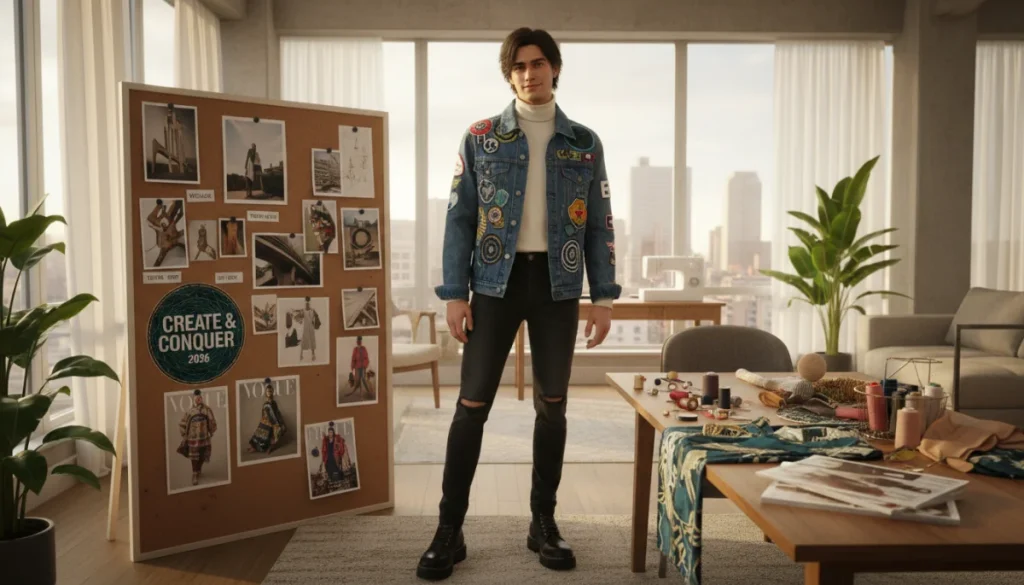
Personalizing off-the-rack clothing in the US offers an accessible and creative way to transform standard pieces into unique fashion statements, aligning with the evolving 2026 fashion landscape.
In a world increasingly driven by individuality, the concept of a personal style has never been more paramount. For 2026, the fashion landscape in the US is all about making a statement that is uniquely yours, moving beyond mass-produced trends. This is where the art of learning to personalize off-the-rack clothing becomes an invaluable skill. Instead of constantly chasing the latest fads, imagine transforming readily available garments into pieces that truly reflect your personality and creative vision. This guide will delve into eight clever hacks that offer practical solutions for anyone looking to infuse their wardrobe with a distinctive flair, ensuring your style is both current and authentically you.
Embracing the Power of Strategic Alterations
Strategic alterations are perhaps the most impactful way to personalize off-the-rack clothing, taking a garment from merely fitting to truly flattering. It’s about understanding that a perfect fit is the foundation of good style, and even minor adjustments can dramatically change a piece’s aesthetic and feel. Think beyond basic hemming; consider tailoring that reshapes the silhouette to better suit your body and personal preferences.
A well-tailored garment can elevate its perceived value and make it look custom-made. This approach allows you to take advantage of sales or affordable finds, knowing that with a few tweaks, they can become high-end looking additions to your wardrobe. Investing in a good tailor or learning basic sewing skills can open up a world of possibilities for transforming your existing clothes.
The Art of a Perfect Fit
- Hemming and Tapering: Adjusting pant length or tapering sleeves can modernize a look instantly.
- Waist Adjustments: Taking in the waist of a dress or skirt creates a more defined silhouette.
- Shoulder Pads Removal/Addition: Altering shoulder structure can update a vintage piece or soften a sharp silhouette.
- Sleeve Shortening: A subtle sleeve shortening on blazers or shirts can make a big difference in overall polish.
Beyond these common alterations, consider more adventurous changes. Perhaps converting a maxi dress into a midi, or a long-sleeved shirt into a chic short-sleeved top. These changes are not about drastically changing the garment’s identity, but rather optimizing it for your body and current style preferences. The goal is to make every piece feel like it was designed specifically for you, enhancing comfort and confidence.
Unleashing Creativity with Fabric Embellishments
Fabric embellishments offer a vibrant and diverse avenue for personalizing off-the-rack clothing, allowing for a creative expression that can range from subtle to statement-making. These additions can transform a plain garment into something truly unique, reflecting your artistic vision and current mood. The beauty of embellishments lies in their versatility, offering numerous ways to add texture, color, and personality.
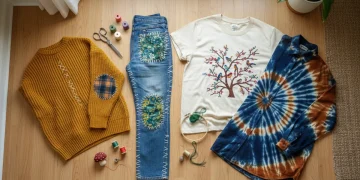
From intricate embroidery to bold patches, each embellishment tells a story and adds a layer of depth to your clothing. This hack is particularly effective for denim, jackets, and accessories, but can be applied to almost any fabric with careful consideration of the material and desired outcome. It’s an excellent way to breathe new life into older pieces or to make a new purchase distinctly yours.
Popular Embellishment Techniques
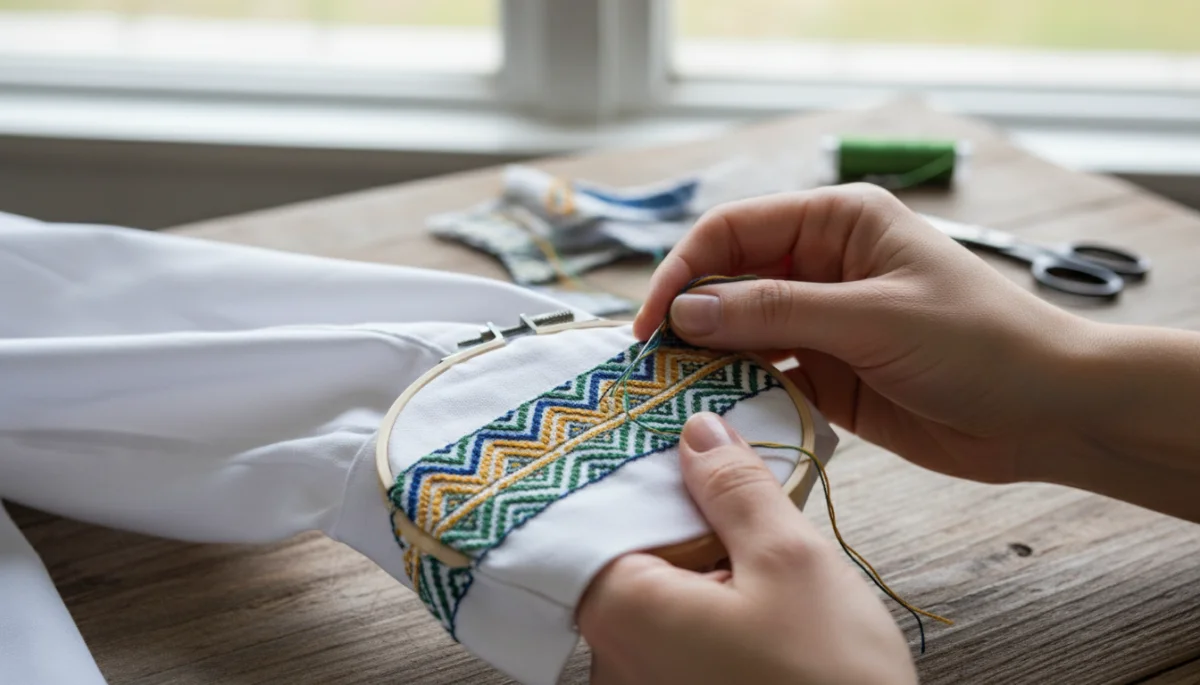
- Embroidery: Hand or machine embroidery can add delicate patterns, monograms, or bold designs.
- Patches and Badges: Iron-on or sew-on patches offer an easy way to express interests, humor, or aesthetic preferences.
- Appliqué: Attaching fabric cut-outs to a garment creates interesting textures and visual appeal.
- Beading and Sequins: For a touch of glamour, beads and sequins can be strategically placed to catch the light.
When selecting embellishments, consider the overall aesthetic you’re aiming for. A minimalist approach might involve a single, well-placed embroidered motif, while a maximalist style could feature an array of patches and pins. The key is to ensure the embellishments enhance rather than overwhelm the garment, maintaining a cohesive and stylish look. Experimentation is encouraged to discover what truly resonates with your personal brand.
Dyeing and Fabric Painting for a Fresh Look
Dyeing and fabric painting are transformative techniques for personalizing off-the-rack clothing, offering a complete overhaul of a garment’s color and pattern. These methods are perfect for when you love the cut and fit of a piece but are tired of its original shade, or simply want to introduce a unique design element. The possibilities are vast, from solid color changes to intricate hand-painted motifs, allowing for a high degree of personalization.
Fabric dyes come in a spectrum of colors and can be used to create ombre effects, tie-dye patterns, or simply to refresh a faded item. Fabric paints, on the other hand, allow for more detailed artistic expression, enabling you to draw, stencil, or freehand designs directly onto the material. Both techniques require some preparation and careful execution, but the results can be incredibly rewarding, yielding truly one-of-a-kind pieces.
Creative Color and Pattern Techniques
- Dip-Dyeing: Creates a gradual color transition, perfect for a subtle yet stylish effect.
- Tie-Dyeing: A classic method for bold, psychedelic patterns, easily customizable with different color combinations.
- Stenciling: Using stencils with fabric paint allows for precise, repeatable designs on various garments.
- Freehand Painting: For the artistically inclined, freehand painting offers ultimate creative freedom to adorn clothing with unique artwork.
Before embarking on a dyeing or painting project, always test on a small, inconspicuous area or a scrap piece of similar fabric to ensure the desired outcome. Consider the fabric composition, as natural fibers like cotton and linen absorb dye differently than synthetics. With a little practice and patience, you can turn ordinary garments into wearable art, making a powerful statement in your 2026 fashion blueprint.
Hardware and Fastener Upgrades
Upgrading hardware and fasteners is a subtle yet highly effective hack for personalizing off-the-rack clothing, often overlooked despite its significant impact. The small details like buttons, zippers, and buckles can drastically change the perceived quality and style of a garment. Replacing generic plastic buttons with elegant metal, wood, or ornate options can instantly elevate a plain shirt, blazer, or coat.
This hack is particularly powerful because it doesn’t require extensive sewing skills, yet it yields results that look professionally done. It’s about paying attention to the minutiae that distinguish high-end clothing from its mass-produced counterparts. A simple change can make a piece feel more luxurious, more vintage, or more contemporary, depending on your choice of hardware.
Impactful Hardware Changes
- Button Swaps: Replace standard buttons with unique, decorative ones made from interesting materials.
- Zipper Replacements: Upgrade a plastic zipper to a metal one for a more durable and stylish finish on jackets or pants.
- Buckle Enhancements: Change out a plain belt buckle or buckle on a jacket for a more distinctive design.
- Adding Studs or Grommets: For an edgy look, strategically adding metal studs or grommets can transform denim or leather.
When selecting new hardware, consider the garment’s original style and what aesthetic you want to achieve. A vintage-inspired piece might benefit from antique-look buttons, while a modern item could be enhanced with sleek, minimalist hardware. This attention to detail not only personalizes your clothing but also demonstrates a keen eye for design, making your off-the-rack finds appear far more bespoke.
Layering and Accessorizing with Intent
While not a direct alteration to the garment itself, mastering layering and accessorizing is a crucial hack for personalizing off-the-rack clothing, allowing you to create countless unique looks from a limited wardrobe. This approach focuses on how you combine pieces and add elements to express your individual style, transforming basic items into sophisticated ensembles. It’s about using what you already have in new and exciting ways.
Layering adds dimension, texture, and visual interest, making an outfit more complex and thought-out. Accessories, on the other hand, are the ultimate tools for personal expression, capable of injecting personality, color, and trend into any look. Together, these techniques enable you to adapt your clothing for different occasions, seasons, and moods, ensuring your style always feels fresh and dynamic.
Strategic Layering and Accessory Choices
- Adding a Vest or Cardigan: Transforms a simple top or dress, providing warmth and style.
- Belting a Dress or Blazer: Defines the waist and adds a stylish focal point to an otherwise shapeless garment.
- Statement Jewelry: A bold necklace, earrings, or bracelets can instantly elevate a plain outfit.
- Scarves and Bandanas: Versatile accessories that can add color, pattern, and texture around the neck, in hair, or on bags.
The key to effective layering and accessorizing is balance. Avoid overdoing it; sometimes less is more. Consider the proportions of your outfit and how each layer or accessory contributes to the overall aesthetic. Experiment with different combinations to discover what works best for your body type and personal taste. This approach not only personalizes your style but also maximizes the utility of your existing wardrobe, a smart move for your 2026 fashion blueprint.
Deconstruction and Reconstruction for Unique Silhouettes
Deconstruction and reconstruction represent a more advanced, yet incredibly rewarding, hack for personalizing off-the-rack clothing. This technique involves taking a garment apart and then reassembling it in a new way, or combining elements from multiple pieces to create something entirely new. It’s a method that allows for radical transformations, yielding truly unique silhouettes and designs that are impossible to find in stores.
This approach is perfect for those who are comfortable with basic sewing skills and have a clear vision of what they want to create. It can involve anything from cutting a shirt into a crop top and adding a new hem, to combining two different dresses into one. The beauty lies in turning ordinary items into extraordinary fashion statements, showcasing a high level of creativity and personal flair.
Transformative Deconstruction Techniques
- Cropping and Hemming: Turning long pants into shorts, or a full-length top into a crop top with a new hem.
- Adding Cut-outs: Strategically placed cut-outs can add an edgy or playful element to shirts, dresses, or skirts.
- Combining Garments: Sewing together parts of different garments to create a hybrid piece, like a denim jacket with fabric sleeves.
- Distressing and Fraying: For a worn, edgy look, carefully distressing denim or fraying hems can add character.
Before beginning a deconstruction project, meticulously plan your design and measure carefully. It’s often helpful to sketch out your ideas and even use pins to visualize changes before making any cuts. This method requires a willingness to experiment and embrace imperfections, as they often contribute to the unique charm of reconstructed pieces. The result is clothing that is not only personalized but also a testament to your hands-on creative prowess.
Patchwork and Fabric Inlays for Texture and Story
Patchwork and fabric inlays offer a fantastic way to personalize off-the-rack clothing by introducing new textures, patterns, and a sense of history or narrative. This hack involves adding pieces of fabric, either on top (patchwork) or by cutting out sections and replacing them with different materials (inlays). It’s an art form that allows for incredible creativity, transforming plain garments into visually rich and unique items.
Patchwork can be used to repair damaged clothing in a stylish way, or simply to add decorative elements. Fabric inlays provide an opportunity to play with contrasting materials, like inserting a lace panel into a denim jacket or a velvet piece into a cotton shirt. Both techniques add depth and a bespoke feel, making your clothes stand out and tell a story.
Creative Fabric Manipulations
- Decorative Patches: Applying fabric scraps in various shapes and sizes to create artistic patterns or cover imperfections.
- Lace or Mesh Inlays: Inserting sections of delicate lace or sheer mesh into garments for a romantic or edgy touch.
- Contrasting Fabric Panels: Adding panels of a different fabric, such as leather on a denim jacket, for a bold statement.
- Quilted Details: Incorporating small quilted sections for added texture and a cozy, handcrafted feel.
When working with patchwork and inlays, consider the fabric weights and how they will interact. A heavier fabric inlay in a lighter garment might pull or distort the shape. Plan your design carefully, using pins to secure pieces before sewing, and ensure all edges are neatly finished to prevent fraying. This method not only allows for deep personalization but also promotes sustainability by giving new life to old fabrics and garments.
Personalized Labels and Interior Touches
Adding personalized labels and interior touches is a sophisticated and often overlooked hack for personalizing off-the-rack clothing, elevating garments to feel truly custom-made. While these details may not be immediately visible to others, they contribute significantly to the wearer’s sense of ownership and the garment’s overall bespoke feel. It’s about creating a personal signature that subtly enhances the piece.
This hack can range from sewing in a custom-designed woven label with your name or a unique motif, to adding a contrasting lining to a jacket or a hidden embroidered message inside a cuff. These interior touches are a testament to thoughtful design and attention to detail, making even the most basic items feel special and intentionally crafted for you.
Subtle Yet Impactful Personalizations
- Custom Woven Labels: Design and order labels with your name, a personal motto, or a unique logo to sew into garments.
- Embroidered Initials: Add discreet embroidered initials to the inside collar, cuff, or hem of a shirt or jacket.
- Contrasting Linings: Replace or add a vibrant or patterned lining to a coat, blazer, or bag for a pop of hidden personality.
- Hidden Messages: Embroider a small, meaningful quote or symbol on an inside pocket or seam.
The beauty of personalized labels and interior touches lies in their subtlety. They offer a private moment of connection with your clothing, a secret detail that only you (or those you choose to share it with) know about. This level of personalization speaks to a deeper appreciation for craftsmanship and individuality, truly setting your 2026 fashion choices apart in the US market.
| Key Personalization Hack | Brief Description |
|---|---|
| Strategic Alterations | Tailoring for a perfect fit, beyond basic hemming, to reshape garments. |
| Fabric Embellishments | Adding embroidery, patches, or appliqués for unique texture and design. |
| Dyeing & Fabric Painting | Changing garment color or adding hand-painted designs for a fresh look. |
| Hardware Upgrades | Replacing buttons, zippers, or buckles to enhance perceived quality and style. |
Frequently asked questions about personalizing off-the-rack clothing
The easiest ways to begin personalizing off-the-rack clothing include simple alterations like hemming or tapering, and adding iron-on patches or badges. These methods require minimal skill and can significantly impact a garment’s appearance, making it feel more unique and tailored to your style preferences without extensive effort.
You can personalize clothing without sewing through various hacks. Options include using fabric glue for patches or embellishments, fabric paints or markers for custom designs, and replacing hardware like buttons with no-sew alternatives. Layering and accessorizing also offer fantastic ways to create unique looks without any needle and thread.
Natural fibers like cotton, linen, rayon, and silk are generally best for dyeing as they absorb color pigments more effectively. For fabric painting, most natural and synthetic blends work well, but always perform a patch test on an inconspicuous area first. Avoid heavily treated or water-resistant fabrics for optimal results.
The cost of tailoring in the US varies widely depending on the complexity of the alteration and the tailor’s expertise and location. Simple adjustments like hemming might be affordable, while more intricate reshaping can be an investment. However, a well-tailored garment often looks more expensive than its original price, making it a worthwhile investment for personalization.
To ensure your personalized clothing looks professional, pay attention to neatness and quality. Use appropriate tools and techniques for each hack. For sewing, ensure stitches are even and secure. For painting, use proper fabric paints and allow for adequate drying. Practice on scrap fabric before applying changes to your main garment to achieve a polished finish.
Conclusion
Embracing the various hacks to personalize off-the-rack clothing in the US for 2026 is more than just a trend; it’s a commitment to individual expression and sustainable fashion. By applying strategic alterations, creative embellishments, or even subtle interior touches, you transform generic garments into unique pieces that tell your personal story. These practical solutions empower you to craft a wardrobe that not only reflects your distinct style but also stands out in an increasingly homogenized fashion landscape. Investing time and creativity into your clothing not only elevates your look but also fosters a deeper connection with what you wear, making every outfit genuinely yours.