Micro-Trends vs. Macro-Trends: 2026 Fashion Longevity Explained
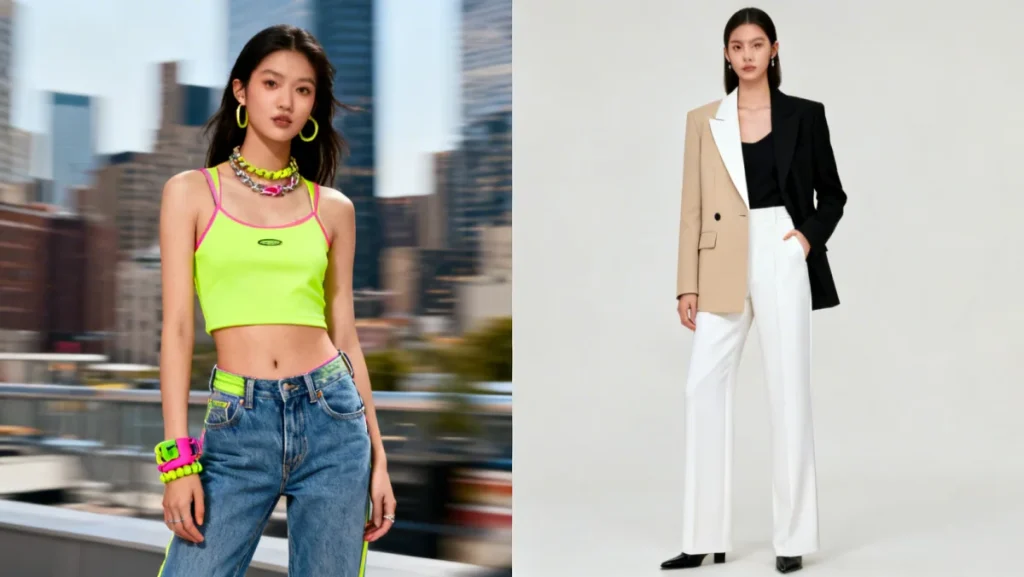
Distinguishing between micro-trends and macro-trends is essential for consumers and industry professionals alike to understand which 2026 fashion movements will endure and offer lasting value.
Ever wondered which fashion statements will truly stand the test of time and which are just passing fads? In the dynamic world of style, understanding the difference between
fashion trend longevity through micro-trends and macro-trends is more important than ever, especially as we look towards 2026. This distinction helps us make smarter choices, both as consumers and creators, about what to embrace and what to let go.
Defining Micro-Trends: The Fleeting Nature of Fashion
Micro-trends are the ephemeral whispers in the fashion world, characterized by their rapid emergence, intense popularity, and equally swift decline. They often originate from niche communities, social media platforms like TikTok, or specific cultural moments, gaining traction through viral dissemination. While exciting and often experimental, their short lifecycle means they are rarely a foundation for a long-term wardrobe strategy.
These trends typically focus on highly specific items, colors, or styling techniques. For instance, a particular shade of green that dominates for a single season, or a unique accessory shape that pops up everywhere before disappearing just as quickly. Their appeal lies in novelty and the ability to instantly update an outfit, but their lack of deep cultural roots prevents them from embedding into the broader fashion narrative.
The Rise of Social Media as a Micro-Trend Accelerator
Social media platforms have revolutionized the speed at which micro-trends emerge and propagate. A single post from an influencer or celebrity can catapult an obscure item into mainstream consciousness overnight. This democratization of trendsetting means that fashion cycles are accelerating at an unprecedented rate.
- TikTok’s Influence: Short-form video content allows for quick visual dissemination of new styles.
- Influencer Culture: Celebrities and digital creators drive immediate demand for specific products.
- Fast Fashion’s Role: Brands quickly produce garments mirroring viral trends, making them accessible.
The rapid consumption and disposal associated with micro-trends raise questions about sustainability and conscious consumerism. While they offer a fun way to experiment with personal style, it’s crucial to recognize their transient nature and consider their environmental impact. Understanding this fast-paced cycle is key to distinguishing lasting movements from momentary fads.
In essence, micro-trends are like fashion’s fireworks: brilliant and captivating for a brief moment, but ultimately fading into memory. They reflect a desire for constant newness and individual expression, yet rarely contribute to a foundational style. For 2026, we can expect social media to continue fueling these rapid cycles, making discernment even more vital.
Understanding Macro-Trends: The Enduring Pillars of Style
In stark contrast to their fleeting counterparts, macro-trends are the foundational shifts in fashion, deeply rooted in broader societal, economic, and cultural changes. These movements evolve slowly, often over several years or even decades, and represent a more profound transformation in how we dress and perceive clothing. They are not just about a specific garment but about an overarching philosophy or aesthetic that permeates various aspects of life.
Macro-trends are powerful because they reflect fundamental human needs and desires, such as sustainability, comfort, inclusivity, or technological advancement. They influence not only clothing design but also manufacturing processes, retail strategies, and even consumer values. Think of the enduring impact of sportswear on everyday dressing or the growing emphasis on ethical production. These are not seasonal fads but rather long-term trajectories that redefine fashion.
Key Characteristics of Macro-Trend Longevity
Macro-trends are recognizable by several distinguishing features that ensure their lasting presence. They are rarely about a single item, but rather a broader concept or a new way of approaching style. Their evolution is gradual, allowing for adaptation and integration into diverse wardrobes and lifestyles.
- Societal Relevance: They emerge from significant cultural, economic, or environmental shifts.
- Broad Application: Influence multiple fashion categories, from haute couture to ready-to-wear.
- Slow Evolution: Develop and adapt over extended periods, often spanning several years.
- Sustainability: Often incorporate ethical production, durability, and timeless design principles.
For 2026, macro-trends will continue to shape the industry’s direction, pushing for more conscious consumption and innovative materials. Their resilience lies in their ability to resonate with evolving human values, making them integral to the future of fashion. These trends provide a stable framework within which micro-trends can momentarily flourish, without disrupting the core direction.
Ultimately, macro-trends represent the long-term investments in our wardrobes and values. They are the currents that guide the fashion industry, offering stability and direction amidst the constant flux of fleeting styles. Recognizing these underlying forces is crucial for anyone seeking to understand the future of fashion.
Identifying 2026’s Enduring Macro-Trends
As we look towards 2026, several significant macro-trends are poised to continue their trajectory, shaping the fashion landscape with their enduring influence. These are not merely predictions, but observable shifts driven by societal values, technological advancements, and a collective desire for change. Understanding these movements is key to discerning true longevity.
One prominent macro-trend is the unwavering focus on sustainability and ethical production. Consumers are increasingly demanding transparency and accountability from brands, leading to a surge in eco-friendly materials, circular design practices, and fair labor conditions. This isn’t a temporary preference but a fundamental shift in consumer consciousness that will only deepen over time.
The Rise of Functional Comfort and Gender Fluidity
Another powerful macro-trend is the continued emphasis on functional comfort, a direct legacy of recent global shifts. People prioritize clothing that offers ease of movement, versatility, and adaptability to various contexts. This translates into sophisticated loungewear, elevated activewear, and relaxed silhouettes that blur the lines between formal and informal attire.
- Sustainable Materials: Organic cotton, recycled fibers, and innovative bio-based textiles.
- Circular Fashion: Emphasis on repair, resale, and recycling to minimize waste.
- Adaptive Design: Clothing designed for diverse body types and abilities.
- Gender-Neutral Apparel: Collections that transcend traditional gender binaries, focusing on universal appeal.
The movement towards gender fluidity in fashion is also a strong macro-trend, challenging traditional norms and offering greater freedom of expression. Designers are increasingly creating collections that are not defined by gender, allowing individuals to choose styles based purely on personal preference. This reflects a broader societal shift towards inclusivity and self-acceptance.
These macro-trends for 2026 represent more than just aesthetic choices; they are reflections of evolving values and a collective desire for a more conscious, comfortable, and inclusive world. Their deep connection to fundamental human experiences ensures their continued relevance and longevity in the years to come.
Navigating the Micro-Trend Minefield: Smart Consumption in 2026
While macro-trends provide a stable foundation, micro-trends offer excitement and novelty. The challenge for consumers in 2026 is to navigate this landscape smartly, embracing the fun of micro-trends without falling into wasteful consumption patterns. This requires a discerning eye and a strategic approach to wardrobe building.
The key is to view micro-trends as accents rather than core components of your style. They are perfect for experimenting with new colors, silhouettes, or specific details that can refresh an existing outfit. However, investing heavily in a micro-trend item that will be obsolete in a few months is often a poor financial and environmental decision. Thought thoughtful integration is paramount.
Strategies for Integrating Micro-Trends Consciously
To enjoy micro-trends responsibly, consider how they can complement your existing wardrobe and align with your personal style. Look for versatile pieces that can be easily mixed and matched, or opt for accessories that offer a quick update without a significant investment.
- Accessorize Wisely: Use jewelry, bags, or scarves to incorporate a micro-trend.
- Rent or Borrow: For highly specific or expensive micro-trend items, consider rental services.
- DIY and Upcycle: Adapt existing garments to reflect current micro-trend aesthetics.
- Focus on Versatility: Choose micro-trend pieces that can be styled in multiple ways.
Another effective strategy is to identify micro-trends that align with an existing macro-trend. For example, if a micro-trend for a specific sustainable fabric emerges, it aligns with the broader sustainability macro-trend, making it a more conscious choice. This allows for participation without compromising long-term wardrobe goals.
Ultimately, smart consumption in 2026 means balancing the allure of newness with a commitment to longevity and sustainability. By understanding the transient nature of micro-trends and approaching them with intention, individuals can maintain a fresh and relevant style without contributing to excessive waste.
The Interplay: How Micro-Trends Influence Macro-Trends
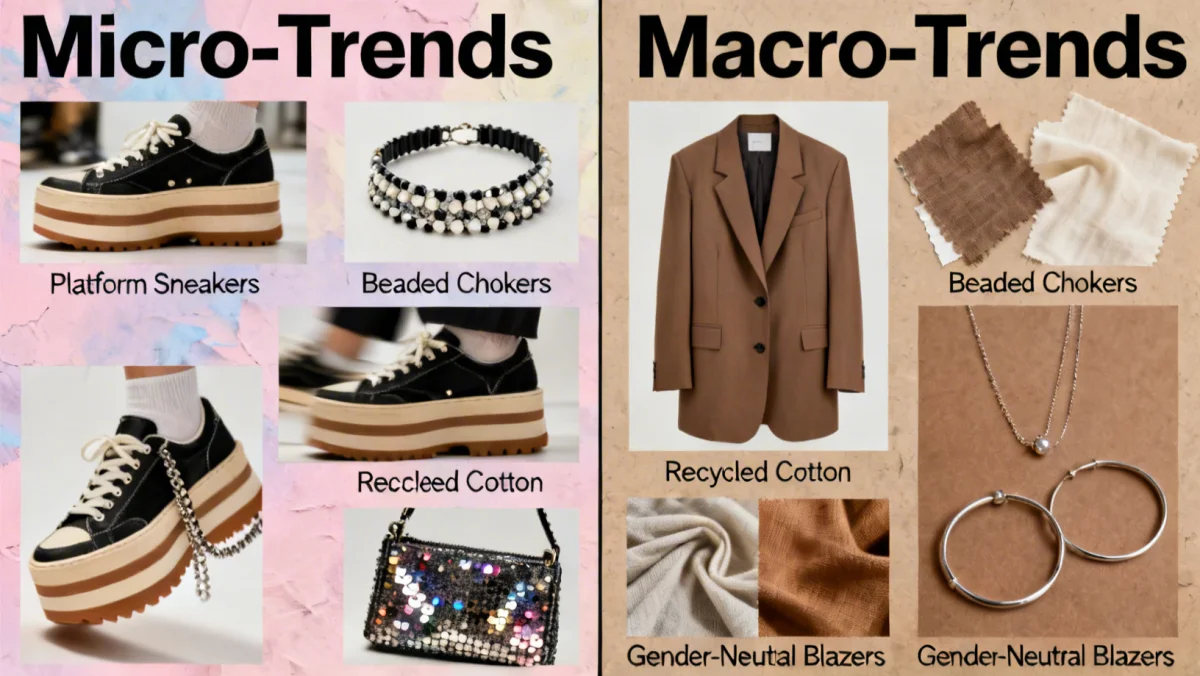
While distinct, micro-trends and macro-trends are not entirely separate entities; they often interact in fascinating ways. Micro-trends can sometimes act as early indicators or incubators for emerging macro-trends, testing the waters for new aesthetics or concepts before they gain broader acceptance and evolve into something more enduring. This dynamic relationship is crucial for understanding the full scope of fashion evolution.
For example, a specific silhouette or color that starts as a niche micro-trend might resonate deeply with a growing societal sentiment, eventually becoming a foundational element of a larger macro-trend. Think of how elements of streetwear, initially a micro-trend, gradually permeated high fashion and everyday dressing, contributing to the broader macro-trend of functional comfort and relaxed silhouettes. This evolution is often a slow burn, not an overnight transformation.
From Niche to Norm: The Evolution of Style
The journey from micro-trend to macro-trend is not guaranteed, but it does highlight the organic nature of fashion. It underscores that even the smallest shifts can hold the potential for larger impact if they tap into a deeper cultural current. This requires keen observation and an understanding of societal undercurrents.
- Early Indicators: Micro-trends can signal shifts in consumer preferences or emerging aesthetics.
- Testing Ground: Niche trends allow designers to experiment with new ideas on a smaller scale.
- Cultural Resonance: Those micro-trends that align with broader values gain momentum.
- Adaptation and Integration: Successful micro-trends are adapted and incorporated into wider styles.
In 2026, we will undoubtedly see new micro-trends emerge, some of which may carry the seeds of future macro-trends. The ability to identify these potential shifts requires not just an eye for fashion, but also an understanding of sociology, economics, and technology. It’s about recognizing the whispers that might one day become roars.
This interplay means that while we should be cautious about investing in every micro-trend, we also shouldn’t dismiss them entirely. They are a vital part of fashion’s continuous evolution, offering glimpses into what might be next for the industry as a whole. Discerning which micro-trends have this potential is a skill developed through informed observation.
Investing in Longevity: Building a Sustainable 2026 Wardrobe
Building a wardrobe for 2026 that prioritizes longevity means making conscious choices that transcend fleeting fads. It’s about investing in pieces that are not only stylish but also durable, versatile, and aligned with enduring macro-trends. This approach not only fosters personal style but also contributes to more sustainable fashion consumption.
The foundation of such a wardrobe lies in high-quality, timeless pieces that can be dressed up or down and integrated into various outfits. These are the items that reflect core macro-trends like comfort, sustainability, and classic aesthetics. Think well-tailored basics, durable outerwear, and versatile accessories that withstand seasonal changes.
Principles of a Long-Lasting Fashion Investment
When considering a purchase, ask yourself if the item aligns with your personal style and if it can serve multiple purposes. Quality over quantity is a guiding principle, as well as understanding the provenance of your clothing. This creates a wardrobe that is both resilient and reflective of your values.
- Quality Materials: Prioritize natural fibers like organic cotton, linen, wool, and durable synthetics.
- Versatile Silhouettes: Choose classic cuts that are easily adaptable to different occasions.
- Timeless Colors: Invest in neutrals and colors that complement your existing wardrobe.
- Ethical Production: Support brands committed to fair labor and environmentally sound practices.
Furthermore, consider the care and maintenance of your garments. Proper care can significantly extend the life of clothing, reducing the need for frequent replacements. This holistic approach to fashion consumption, from purchase to post-purchase care, is fundamental to building a truly sustainable and long-lasting wardrobe.
By focusing on macro-trends and making intentional choices, consumers can create a 2026 wardrobe that is both stylish and sustainable. This approach moves beyond impulsive purchases driven by ephemeral micro-trends, fostering a more thoughtful and enduring relationship with fashion. It’s an investment in both personal style and a healthier planet.
The Future of Fashion: Balance and Intentionality in 2026
As we gaze into the future of fashion for 2026, it’s clear that the landscape will be defined by a delicate balance between rapid innovation and enduring values. The acceleration of micro-trends, fueled by digital platforms, will continue to offer endless opportunities for novelty and self-expression. Simultaneously, the deep currents of macro-trends will steer the industry towards greater responsibility, inclusivity, and conscious design.
The most successful brands and the most stylish individuals will be those who master this balance. They will understand how to harness the energy of micro-trends for fresh updates while anchoring their core aesthetic in the stability and relevance of macro-trends. This intentional approach to fashion will be a hallmark of 2026, moving beyond mere consumption to thoughtful curation.
The Role of Technology and Personalization
Technology will play an increasingly crucial role in both aspects. AI-driven trend forecasting will help identify emerging micro-trends faster, while advancements in sustainable materials and production will support macro-trend objectives. Personalization, enabled by data and AI, will allow individuals to tailor their engagement with trends, making fashion more relevant and less prescriptive.
- AI-Powered Forecasting: Predicting micro-trend spikes and macro-trend evolutions.
- Customization Options: Allowing consumers to adapt trends to their unique preferences.
- Virtual Fashion: Exploring ephemeral styles in digital spaces without physical waste.
- Blockchain for Transparency: Ensuring ethical sourcing and production in supply chains.
Ultimately, the future of fashion in 2026 is about empowerment: empowering consumers to make informed choices, and empowering the industry to innovate responsibly. It’s about moving towards a fashion ecosystem where creativity and conscience coexist harmoniously, shaping a style narrative that is both exciting and sustainable.
By embracing intentionality, understanding the interplay of trends, and prioritizing longevity, we can all contribute to a more dynamic, ethical, and inspiring fashion future. This nuanced understanding ensures that fashion continues to be a powerful form of self-expression while also aligning with global values and environmental imperatives.
| Key Trend Type | Characteristics and Longevity |
|---|---|
| Micro-Trends | Short-lived, viral, specific items. Driven by social media. Offer novelty but little long-term value. |
| Macro-Trends | Long-term, societal shifts, foundational. Rooted in cultural values. Offer enduring style and investment. |
| Sustainable Fashion | A key macro-trend emphasizing ethical production, eco-friendly materials, and circular practices for 2026 and beyond. |
| Functional Comfort | An enduring macro-trend prioritizing versatile, adaptable, and comfortable apparel, blurring lines between formal and casual wear. |
Frequently asked questions about fashion trends
The primary difference lies in their duration and scope. Micro-trends are short-lived, highly specific, and often driven by social media, lasting only a few months or a season. Macro-trends, conversely, are long-term, broad societal shifts influencing fashion over several years or decades, rooted in cultural, economic, or technological changes.
Consumers can identify long-lasting trends by looking for movements rooted in broader societal values like sustainability, comfort, or inclusivity, rather than specific, highly stylized items. Macro-trends often reflect fundamental changes in lifestyle and values, ensuring their continued relevance and adaptability over time.
Social media platforms, especially TikTok and Instagram, act as accelerators for micro-trends. They enable rapid visual dissemination of new styles by influencers and users, leading to quick adoption and equally quick dissipation due to the constant demand for new content and the fast-paced nature of viral trends.
While distinct, macro-trends can be influenced by micro-trends. Micro-trends sometimes act as early indicators or testing grounds for emerging aesthetics or concepts. If a micro-trend resonates with a deeper societal sentiment, it can evolve and be integrated into a broader, more enduring macro-trend over time, showcasing a dynamic interplay.
To build a sustainable wardrobe, prioritize investing in high-quality, versatile pieces that align with macro-trends like sustainable materials, functional comfort, and timeless designs. Focus on classic silhouettes, durable fabrics, and ethical brands. Use micro-trends sparingly for accessories or rental items, avoiding impulsive purchases of fleeting fads.
Conclusion
Navigating the intricate world of fashion in 2026 demands a clear understanding of the distinction between micro-trends and macro-trends. While micro-trends offer exciting, albeit brief, opportunities for stylistic experimentation, macro-trends represent the foundational shifts that truly define the evolution of how we dress. By prioritizing investments in enduring macro-trends like sustainability, functional comfort, and inclusive design, consumers can build wardrobes that are both stylish and resilient. This intentional approach not only fosters personal expression but also contributes to a more conscious and sustainable future for the entire fashion industry, allowing us to embrace innovation without sacrificing longevity.