Decoding Top 5 Sustainable Fabric Trends in US Fashion 2026
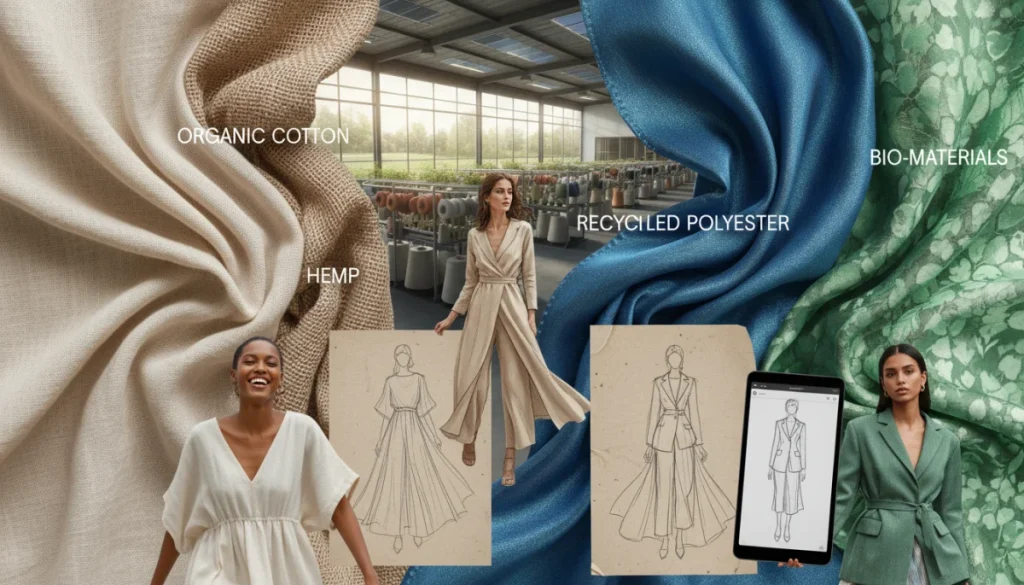
The US fashion industry in 2026 will be profoundly shaped by five key sustainable fabric trends, driving innovation towards a more eco-conscious and ethical future.
Are you ready to discover the future of fashion? In 2026, the US fashion landscape is poised for a significant transformation, with a strong emphasis on sustainability. This article will guide you through Decoding the Top 5 Sustainable Fabric Trends Dominating US Fashion in 2026, offering insights into how these innovations are redefining style and environmental responsibility.
The Rise of Regenerative Agriculture in Cotton Production
Regenerative agriculture is rapidly emerging as a cornerstone of sustainable textile sourcing, particularly within cotton production. This approach goes beyond simply sustaining current practices; it actively aims to restore and enhance ecosystems, improving soil health, biodiversity, and water retention. For the US fashion industry, this means a shift towards cotton that not only reduces environmental impact but also contributes positively to the planet.
Brands are increasingly seeking out cotton certified under regenerative standards, understanding that consumers are more aware of the full lifecycle of their garments. This trend is not just about eco-consciousness; it’s about creating a more resilient supply chain that can withstand climate challenges and provide long-term benefits for farmers and communities. The commitment to regenerative cotton signifies a deeper understanding of ecological interconnectedness within the fashion industry.
Enhancing Soil Health and Biodiversity
- Improved Soil Structure: Regenerative practices like cover cropping and minimal tillage lead to richer, more fertile soil, reducing the need for synthetic fertilizers.
- Increased Biodiversity: Diverse planting and natural pest control methods foster healthy ecosystems, supporting a variety of plant and animal life.
- Carbon Sequestration: Healthy soils act as carbon sinks, drawing carbon dioxide from the atmosphere and helping to mitigate climate change.
The embrace of regenerative cotton is a testament to the industry’s evolving priorities, moving from simply doing less harm to actively doing good. This fabric trend will be pivotal in differentiating brands that are truly committed to environmental stewardship in 2026 and beyond. It represents a holistic view of sustainability, recognizing that the health of our planet is inextricably linked to the products we create.
Innovations in Bio-Based Synthetics
Bio-based synthetics are at the forefront of textile innovation, offering a compelling alternative to traditional petroleum-derived materials. These cutting-edge fabrics are engineered from renewable resources such as plant sugars, cornstarch, and even algae, significantly reducing the fashion industry’s reliance on fossil fuels. In 2026, expect to see a surge in garments made from these revolutionary materials, pushing the boundaries of what sustainable fashion can achieve.
The development of bio-based synthetics addresses critical environmental concerns, including plastic pollution and carbon emissions. By utilizing natural feedstocks, these fabrics offer a lower carbon footprint and, in many cases, enhanced biodegradability or compostability at the end of their life cycle. This shift marks a crucial step towards a circular economy in fashion, where materials are designed to be reused or returned to nature.
From Lab to Runway: Emerging Bio-Materials
- Polylactic Acid (PLA): Derived from fermented plant starch, PLA offers a biodegradable alternative to polyester, suitable for various apparel applications.
- Algae-Based Fibers: Utilizing algae biomass, these fibers are not only renewable but also possess unique properties like natural dyes and moisture-wicking capabilities.
- Mushroom Leather (Mycelium): An innovative, animal-free leather alternative grown from fungi, offering a sustainable and ethical option for accessories and outerwear.
The integration of bio-based synthetics into mainstream fashion collections will demonstrate the industry’s capacity for scientific advancement and environmental responsibility. These materials are not just eco-friendly; they are also designed to meet the performance and aesthetic demands of modern consumers, proving that sustainability does not compromise style. This trend is set to redefine luxury and everyday wear in the coming years.
The Growing Influence of Recycled and Upcycled Materials
Recycled and upcycled materials continue to gain momentum, becoming indispensable components of the US fashion industry’s sustainability strategy. This trend focuses on transforming existing waste into valuable new textiles, thereby diverting materials from landfills and reducing the demand for virgin resources. By 2026, consumers will increasingly seek out brands that actively incorporate these circular approaches into their collections, recognizing the environmental benefits.
The impact of recycling and upcycling extends beyond waste reduction; it also significantly lowers the energy and water consumption associated with textile production. From recycled polyester made from plastic bottles to upcycled denim scraps transformed into new garments, the possibilities are vast and continually expanding. This approach fosters creativity and innovation, challenging designers to rethink traditional manufacturing processes.
Key Aspects of Circular Textile Practices
- Post-Consumer Waste Integration: Utilizing materials like discarded plastic bottles, fishing nets, and old garments to create new fibers and fabrics.
- Pre-Consumer Waste Reduction: Upcycling textile scraps and factory offcuts to minimize waste generated during the manufacturing process.
- Fiber-to-Fiber Recycling: Developing technologies to break down old garments into their constituent fibers, which can then be spun into new yarns.
The prominence of recycled and upcycled materials underscores a broader commitment to circularity within the fashion sector. This trend empowers consumers to make choices that support a regenerative system, where resources are kept in use for as long as possible. It’s a powerful statement that waste is not an end, but a beginning for new, sustainable products.
Hemp and Linen: Ancient Fibers with Modern Appeal
Hemp and linen, two of the oldest cultivated fibers, are experiencing a significant resurgence in the US fashion market, championed for their inherent sustainability and versatility. These natural materials require minimal water and pesticides to grow, making them far more environmentally friendly than conventional cotton. In 2026, their presence will be more pronounced across various apparel categories, from casual wear to high fashion.
Beyond their ecological benefits, hemp and linen offer exceptional durability, breathability, and comfort, appealing to consumers seeking both sustainable and high-quality garments. Hemp fibers are known for their strength and resistance to stretching, while linen provides a crisp, luxurious feel that softens with age. These characteristics make them ideal for long-lasting, timeless pieces that align with slow fashion principles.
Advantages of Hemp and Linen in Fashion
- Low Environmental Impact: Both crops require significantly less water and land than cotton, and thrive without harsh chemicals.
- Durability and Longevity: Garments made from hemp and linen are known for their strength and ability to withstand repeated wear and washing.
- Breathability and Comfort: Their natural fibers allow air circulation, making them comfortable for various climates and versatile for everyday wear.
The renewed interest in hemp and linen highlights a broader appreciation for natural, sustainable fibers that offer both performance and environmental integrity. As consumers become more discerning about their purchasing decisions, the timeless appeal and eco-credentials of these ancient fibers will secure their place as essential components of future fashion collections. They represent a harmonious blend of tradition and modern sustainability.
Innovative Dyeing and Finishing Technologies
Beyond the fabric itself, the methods used for dyeing and finishing textiles are undergoing a profound sustainable transformation. Traditional dyeing processes are often water-intensive and rely on harsh chemicals, contributing significantly to environmental pollution. In 2026, the US fashion industry will increasingly adopt innovative dyeing and finishing technologies designed to drastically reduce water usage, chemical footprint, and energy consumption.
These advancements include techniques like digital printing, which uses precise amounts of ink, and air dyeing (or supercritical CO2 dyeing), which completely eliminates water from the dyeing process. Furthermore, natural dyes derived from plants, minerals, and even food waste are gaining traction, offering vibrant colors without the environmental cost. This holistic approach to sustainability ensures that every stage of garment production is optimized for minimal impact.
Transformative Technologies in Textile Processing
- Digital Printing: Reduces water and dye waste by applying color directly to fabric with precision, eliminating the need for large vats.
- Air Dyeing (CO2 Dyeing): Utilizes supercritical carbon dioxide as a solvent, allowing dyes to penetrate fibers without water, then recycling the CO2.
- Natural and Bio-Dyes: Sourced from plants, insects, or microbial fermentation, these dyes offer eco-friendly color options and reduce chemical exposure.
The adoption of these innovative dyeing and finishing technologies is crucial for achieving truly sustainable fashion. By addressing the environmental impact of these processes, the industry can offer products that are not only made from eco-friendly materials but are also produced in an environmentally responsible manner from start to finish. This comprehensive approach to sustainability will be a key differentiator for leading brands.
Circular Design Principles and Material Innovation Integration
The future of sustainable fashion in the US is intrinsically linked to the widespread adoption of circular design principles and the seamless integration of material innovation. This approach moves beyond individual fabric choices to encompass the entire lifecycle of a garment, from its inception to its end-of-life. By 2026, designers and brands will be prioritizing products that are not only made from sustainable materials but are also designed for durability, repairability, and eventual recycling or biodegradability.
Circular design aims to eliminate waste and pollution, circulate products and materials, and regenerate natural systems. This means creating garments that can be easily disassembled, with components that can be reused or recycled into new products. It also involves fostering business models that promote product longevity, such as repair services, rental programs, and take-back initiatives. The integration of advanced sustainable fabrics is critical to making these circular systems a reality.
Designing for a Circular Future
- Modularity and Disassembly: Designing garments with components that can be easily separated for repair or recycling, reducing complex waste streams.
- Mono-material Construction: Using a single type of fiber or fabric to simplify recycling processes at the end of a product’s life.
- Longevity and Durability: Prioritizing high-quality, long-lasting materials and timeless designs to extend the lifespan of garments.
The convergence of circular design and material innovation represents the pinnacle of sustainable fashion. It’s about creating a system where every material choice and design decision contributes to a more regenerative and less wasteful industry. This holistic vision will guide the US fashion landscape in 2026, fostering a future where fashion truly harmonizes with the planet.
| Key Trend | Brief Description |
|---|---|
| Regenerative Cotton | Cotton farming practices that restore soil health and biodiversity. |
| Bio-Based Synthetics | Fabrics derived from renewable biological resources, reducing fossil fuel reliance. |
| Recycled & Upcycled Materials | Transforming waste into new textiles to reduce landfill and virgin resource demand. |
| Hemp and Linen | Ancient natural fibers gaining popularity for their low environmental impact and durability. |
Frequently Asked Questions About Sustainable Fabric Trends
Regenerative cotton significantly improves soil health, enhances biodiversity, and sequesters carbon, actively contributing to environmental restoration. It reduces the need for synthetic fertilizers and pesticides, fostering a healthier ecosystem and a more resilient agricultural system for future generations.
Bio-based synthetics are derived from renewable natural resources like plants or algae, unlike traditional synthetics which are petroleum-based. This dramatically reduces their carbon footprint and reliance on fossil fuels, often offering better biodegradability or compostability at the end of their lifecycle, aligning with circular economy principles.
Recycled and upcycled materials are crucial for reducing waste and conserving resources. They divert textiles and plastics from landfills, decrease the demand for virgin materials, and often require less energy and water in production. This approach supports a circular economy, minimizing environmental impact and promoting resource efficiency.
Hemp and linen are highly sustainable due to their minimal water and pesticide requirements for cultivation. They are naturally durable, breathable, and biodegradable, offering long-lasting garments. Their growth also improves soil health, making them excellent eco-friendly alternatives to more resource-intensive fibers like conventional cotton.
Innovative dyeing technologies like digital printing, air dyeing (supercritical CO2 dyeing), and the use of natural or bio-dyes are significantly reducing water consumption, chemical use, and energy in textile processing. These advancements aim to minimize the environmental impact associated with coloring fabrics, leading to a greener production chain.
Conclusion
The US fashion industry in 2026 is clearly on a path toward a more sustainable future, driven by a powerful confluence of consumer demand, technological innovation, and environmental imperative. The top 5 sustainable fabric trends—regenerative cotton, bio-based synthetics, recycled and upcycled materials, the resurgence of hemp and linen, and advanced dyeing technologies—are not just fleeting fads. They represent fundamental shifts in how garments are conceived, produced, and consumed. By embracing these changes, the industry is not only mitigating its ecological footprint but also creating new opportunities for creativity, ethical sourcing, and long-term resilience. The future of fashion is undeniably green, promising a more responsible and stylish wardrobe for all.