The Power of Proportions: 4 Styling Tricks for 2025
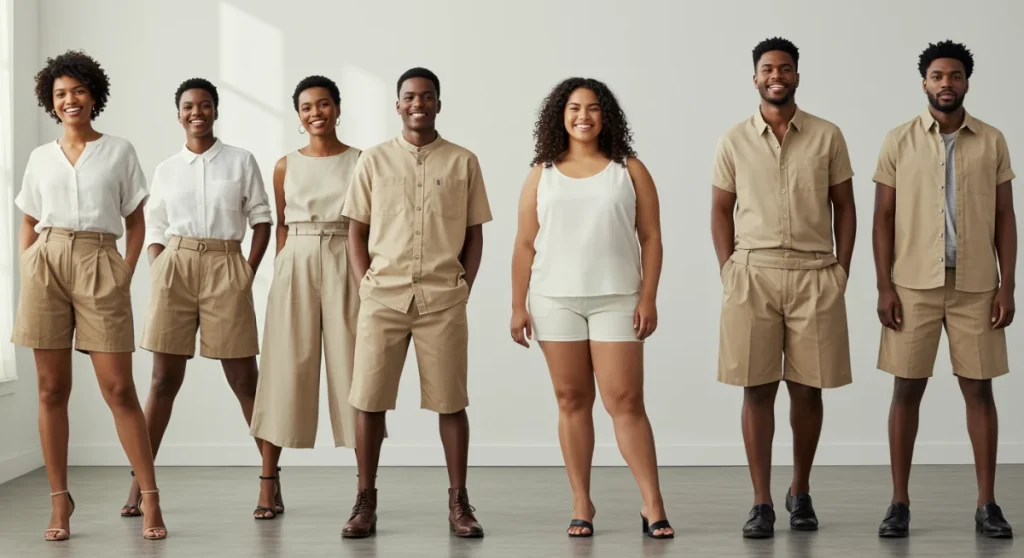
Mastering the power of proportions is key to flattering any body type, creating visual harmony, and enhancing your personal style with confidence and elegance.
In the dynamic world of fashion, understanding the power of proportions is not just a trend but a timeless principle that empowers individuals to dress confidently and stylishly. As we step into 2025, the emphasis on personalized style and body positivity continues to grow, making proportional styling more relevant than ever. This guide will explore four essential styling tricks that leverage proportions to flatter every body type, ensuring your outfits not only look good but also make you feel fantastic.
Understanding Proportions: The Foundation of Flattering Style
Proportions in fashion refer to the relationship between different elements of an outfit and how they interact with your body’s natural lines. It’s about creating visual balance and harmony, ensuring no single part of your ensemble overwhelms or diminishes another. When proportions are right, an outfit feels cohesive and aesthetically pleasing, enhancing your silhouette without drawing undue attention to specific areas.
Achieving proportional balance is not about adhering to arbitrary rules but rather understanding how different clothing cuts, lengths, and volumes interact. It’s a subtle art that can transform an ordinary outfit into an extraordinary one. For many, the concept can seem daunting, but it boils down to a few core principles that, once understood, become intuitive.
The Golden Ratio in Fashion
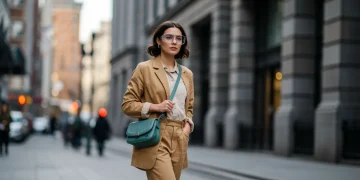
The golden ratio, a mathematical concept often found in nature and art, also subtly influences fashion. While not a strict rule, it suggests that dividing your body into thirds or fifths often creates the most visually appealing silhouettes. This means considering where your top ends, where your pants begin, and how your accessories break up your vertical line. For instance, a top that sits at your natural waist, paired with high-waisted bottoms, often adheres to this principle, elongating the legs and defining the torso.
- Visual Balance: Ensures no one element dominates the outfit.
- Enhanced Silhouette: Creates an illusion of height, curves, or sleekness.
- Personal Comfort: Leads to clothing that feels good and looks right.
- Timeless Appeal: Proportional outfits rarely go out of style.
Ultimately, understanding proportions is about recognizing that every garment has a visual weight and a role to play in your overall look. By strategically choosing pieces that complement each other and your body, you can create an endless array of flattering outfits. This foundational knowledge empowers you to move beyond simply following trends and instead develop a personal style that truly works for you.
Trick 1: Define Your Waistline for an Instant Hourglass
One of the most effective ways to create a flattering silhouette, regardless of your body type, is by defining your waistline. This trick instantly creates an hourglass shape, even if your natural waist isn’t overtly pronounced. By drawing attention to the narrowest part of your torso, you can achieve a more balanced and visually appealing figure. This technique works wonders for almost everyone, from those with straighter figures to individuals with curvier frames.
Defining the waist can be achieved through various methods, each offering a slightly different aesthetic. The key is to find what feels most comfortable and authentic to your personal style. Belts are perhaps the most straightforward tool, but the choice of clothing itself can also play a significant role. Experimentation is encouraged to discover what works best for your unique shape and preferences.
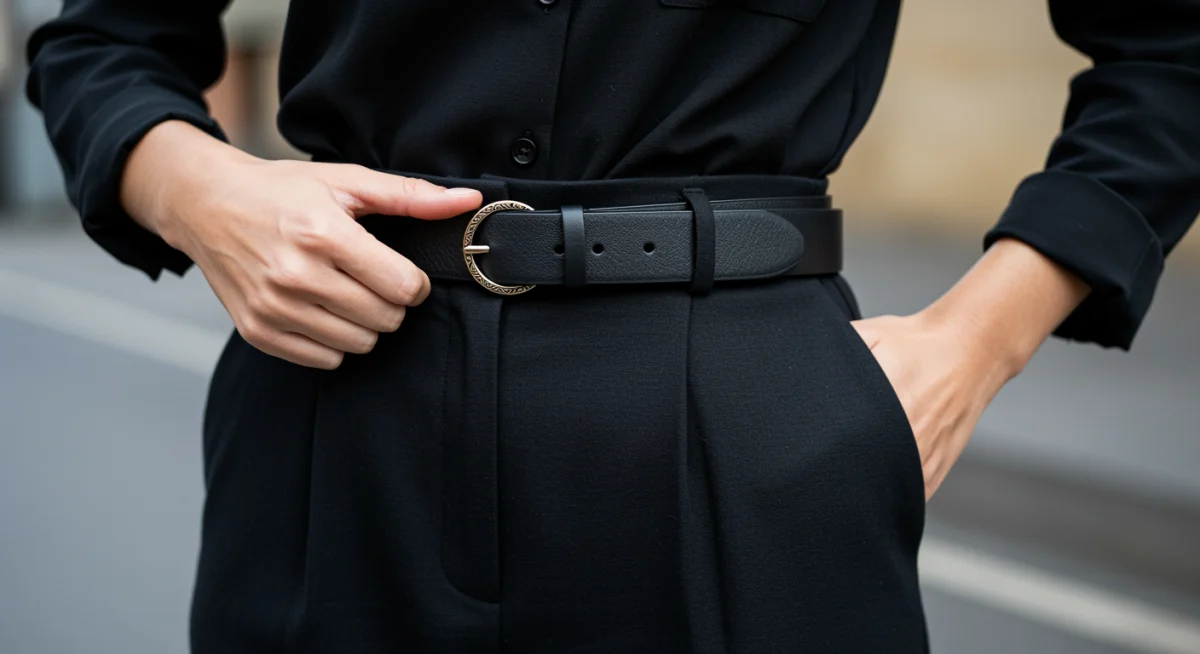
Belt It Up: The Power of Waist Cinchers
Belts are incredibly versatile accessories that can instantly transform an outfit. A wide belt cinched over a loose dress or an oversized blazer can create a dramatic waist definition, while a thinner belt can offer a more subtle emphasis. The placement of the belt is crucial; typically, placing it at the narrowest part of your torso, usually above your navel, yields the most flattering results.
- High-Waisted Belts: Ideal for elongating the legs when worn with skirts or trousers.
- Cinching Blazers: Use a belt over an open or buttoned blazer to create shape.
- Dress Definition: Add a belt to flowy dresses to prevent them from looking shapeless.
Beyond belts, many garments are designed to naturally define the waist. Peplum tops, wrap dresses, and tailored jackets with strategic darting all serve this purpose. These pieces are excellent choices for building a wardrobe that inherently incorporates waist definition, making styling effortless. The goal is to create a visual break that highlights your midsection, creating an attractive curve.
Trick 2: Mastering Vertical and Horizontal Lines
The strategic use of vertical and horizontal lines in your clothing can profoundly impact how your body is perceived. Lines are powerful visual tools that can either elongate, widen, or narrow your silhouette, depending on their direction and placement. Understanding this trick allows you to subtly manipulate perceptions and enhance your desired body shape, creating a more harmonious overall look.
It’s not just about stripes; lines can be found in seams, pleats, patterns, and even the way layers are arranged. The direction of these lines guides the eye, and by consciously choosing garments with specific linear elements, you can direct that gaze to your advantage. This technique is particularly useful for adding height, slimming areas, or creating the illusion of more volume where desired.
Vertical Lines for Elongation
Vertical lines are universally praised for their elongating effect, making the wearer appear taller and leaner. This is because the eye naturally travels up and down, creating an impression of length. Think pinstripes, long open cardigans, vertical seams, or even a column of color created by a monochromatic outfit. These elements draw the eye vertically, extending your figure.
- Pinstripe Suits: Classic choice for a professional, elongated look.
- Long Cardigans/Vests: Create vertical lines that slim the torso.
- Monochromatic Outfits: A single color from head to toe creates an unbroken vertical line.
Conversely, horizontal lines tend to broaden the silhouette. While often advised against for those looking to appear slimmer, horizontal lines can be used strategically to add volume to certain areas, such as the bust or hips, or to create interesting visual breaks. For example, a horizontal stripe on a top can balance out broader shoulders when paired with vertical elements elsewhere. The key is balance and intentionality in their application.
Trick 3: The Art of Balancing Volume and Fit
Achieving the perfect balance between volume and fit is a cornerstone of proportional styling. It involves pairing looser, more voluminous pieces with more fitted ones to create a sense of harmony and prevent your outfit from looking overwhelming or shapeless. This technique ensures that your clothes complement your body rather than hiding it, allowing your natural shape to shine through in a sophisticated manner.
Many people gravitate towards either all tight or all loose clothing, but the most flattering looks often combine both. Think of it as a dialogue between different elements of your outfit, where each piece plays a specific role in creating an appealing silhouette. This trick is especially crucial in 2025, with the resurgence of oversized fashion, making it vital to understand how to incorporate volume without losing your shape.
Pairing Loose with Fitted
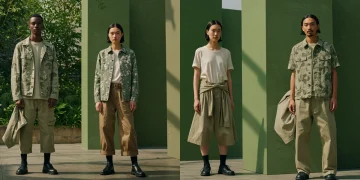
A common and highly effective strategy is to pair a loose top with fitted bottoms, or vice-versa. For instance, an oversized sweater looks chic and balanced when worn with slim-fit trousers or a pencil skirt. Similarly, a voluminous wide-leg pant can be perfectly balanced with a more fitted top or a tucked-in blouse. This contrast creates visual interest and ensures your figure isn’t lost in fabric.
- Oversized Top + Slim Bottom: Classic combination for relaxed elegance.
- Voluminous Bottom + Fitted Top: Highlights the waist and elongates legs.
- Layering with Contrast: A fitted base layer under a loose jacket.
Another aspect of balancing volume is understanding where to place it. If you want to draw attention to a particular area, add volume there, but ensure other areas are more fitted. For example, if you have broader shoulders, a top with statement sleeves could be balanced by a more streamlined bottom. This thoughtful approach to volume and fit allows for creative expression while maintaining a flattering aesthetic.
Trick 4: Strategic Use of Color and Prints
Color and prints are powerful tools in your styling arsenal, capable of dramatically altering perceptions of proportion and shape. They can highlight, recede, or create illusions, making them indispensable for flattering any body type. In 2025, with bold patterns and vibrant hues making a strong comeback, understanding how to use them strategically is more important than ever to create impactful and balanced outfits.
The human eye is naturally drawn to brighter colors and busier patterns. By leveraging this, you can direct attention to your most favored features and away from areas you prefer to downplay. This trick is about conscious choices in color blocking, print size, and placement, turning your clothing into a canvas for proportional artistry.
Color Blocking and Print Placement
Color blocking can effectively break up your silhouette or create visual continuity. Darker colors tend to recede, while lighter and brighter colors draw attention. For instance, if you wish to minimize your hips, pair dark-colored bottoms with a lighter top. Conversely, if you want to emphasize your waist, a bright belt against a darker outfit can achieve this. The deliberate placement of colors creates distinct sections, influencing perceived proportions.
- Dark Bottoms, Light Top: Draws attention upwards, elongating the lower half.
- Monochromatic Outfits: Creates a seamless, elongated look.
- Bold Prints on Specific Areas: Highlights features you want to emphasize.
When it comes to prints, their size and density play a crucial role. Small, scattered prints tend to be more forgiving and can create a slimming effect, while large, bold prints can add volume. If you’re petite, smaller prints might be more proportionate to your frame. If you’re taller or have a larger frame, you can carry off larger, more dramatic patterns. The key is to ensure the print’s scale is in harmony with your body and the overall outfit, contributing to a balanced and flattering appearance.
Accessorizing for Proportional Harmony
Accessories are not mere afterthoughts; they are crucial elements in achieving proportional harmony and elevating any outfit. From jewelry to handbags and footwear, each accessory has the potential to influence how your body is perceived, either enhancing or detracting from your overall look. In 2025, where thoughtful detail is highly valued, understanding the role of accessories in proportional styling is more pertinent than ever.
The right accessories can draw the eye to specific areas, create vertical lines, or add necessary volume where an outfit might otherwise fall flat. They offer an opportunity to personalize your style while subtly refining your silhouette. The goal is to choose pieces that complement your body type and the scale of your clothing, ensuring every element works together in unison.
Strategic Jewelry and Scarves
Long necklaces and scarves, for example, create strong vertical lines that can elongate the torso and draw the eye downwards, making you appear taller and leaner. Chunky, statement necklaces, on the other hand, can add volume to the upper body, balancing out wider hips or drawing attention to the décolletage. Earrings can also play a role; longer, dangling earrings can elongate the neck, while studs keep the focus on the face.
- Long Necklaces: Creates vertical lines, elongating the torso.
- Statement Earrings: Draws attention to the face and neck.
- Scarves: Can add color, texture, and vertical flow to an outfit.
Handbags and shoes also contribute significantly to proportional balance. A small clutch might look out of place on a taller, broader frame, just as an oversized tote could overwhelm a petite individual. Similarly, pointed-toe shoes can elongate the legs, while ankle straps might shorten them. The key is to consider the scale of the accessory in relation to your body and the rest of your outfit. By carefully selecting accessories, you can fine-tune your proportions, adding the perfect finishing touches that complete a polished and flattering look.
Embracing Your Unique Body Type with Confidence
Understanding and applying proportional styling tricks is ultimately about embracing your unique body type and celebrating your individuality. It’s not about conforming to an ideal, but about dressing in a way that makes you feel confident, comfortable, and authentically you. In 2025, the fashion landscape continues to champion diversity and self-expression, making it the perfect time to explore how clothing can serve your personal narrative.
Every body is beautiful and unique, and fashion is a powerful tool for self-affirmation. By learning these styling principles, you gain the knowledge to highlight your best features and create visual harmony in your outfits. This approach moves beyond fleeting trends, offering a sustainable way to build a wardrobe that genuinely works for you, season after season.
Beyond the Rules: Personal Style and Intuition
While these tricks provide a solid framework, remember that personal style is also about intuition and what feels right for you. Fashion is an evolving art form, and sometimes breaking the rules can lead to the most innovative and expressive looks. Use these guidelines as a starting point, then adapt them to suit your taste, mood, and the occasion. The most stylish individuals are often those who understand the rules well enough to bend them creatively.
- Experimentation: Try new combinations and observe the effects.
- Self-Reflection: Pay attention to how outfits make you feel.
- Adaptability: Adjust styles to fit different occasions and moods.
Ultimately, the goal is to cultivate a wardrobe that reflects who you are and supports your lifestyle. When you dress proportionally, you’re not just putting on clothes; you’re crafting an image that communicates confidence and self-awareness. This cultivated approach to style ensures that you always look your best, feeling empowered and ready to take on whatever 2025 brings.
| Key Styling Trick | Brief Description |
|---|---|
| Define Your Waistline | Create an hourglass silhouette by cinching the narrowest part of your torso with belts or tailored garments. |
| Mastering Lines | Use vertical lines for elongation and horizontal lines strategically to add volume or create visual interest. |
| Balance Volume and Fit | Pair loose pieces with fitted ones to create harmony and prevent an outfit from looking overwhelming. |
| Strategic Color & Prints | Utilize colors and print sizes to highlight features, recede areas, and influence perceived proportions. |
Frequently asked questions about proportional styling
Proportional styling refers to dressing in a way that creates visual balance and harmony between your clothing and your body’s natural shape. It’s about ensuring elements like length, volume, and fit work together to enhance your silhouette, making your outfits look cohesive and flattering for any body type.
You can define your waistline by using belts, especially wide ones, over dresses, blazers, or loose tops. Opt for high-waisted bottoms to visually lengthen your legs and draw attention to the narrowest part of your torso. Wrap dresses and peplum tops are also excellent choices for natural waist definition.
Generally, vertical stripes create an elongating effect, making you appear taller and leaner as the eye travels up and down. However, the width and spacing of the stripes matter. Very wide or highly contrasting stripes can sometimes have a different effect, so it’s best to experiment with various patterns to see what works best for you.
To balance voluminous clothing, pair loose items with more fitted ones. For example, wear an oversized sweater with slim-fit pants or a wide-leg pant with a tucked-in or fitted top. This contrast creates visual interest and ensures your natural body shape is still discernible, preventing a shapeless appearance.
Absolutely! Accessories play a significant role. Long necklaces and scarves can create vertical lines, elongating your torso. Statement jewelry can draw attention to specific areas, like your décolletage. Even the size of your handbag or the style of your shoes can influence how your overall silhouette is perceived, contributing to proportional harmony.
Conclusion
Mastering the power of proportions is an invaluable skill that transcends fleeting fashion trends, offering a timeless approach to personal style. By understanding how to define your waistline, strategically use lines, balance volume, and leverage color and prints, you unlock the ability to create outfits that not only flatter your unique body type but also make you feel incredibly confident. These four styling tricks are not rigid rules but flexible guidelines, empowering you to experiment, express your individuality, and cultivate a wardrobe that truly reflects who you are in 2025 and beyond. Embrace the art of proportional styling, and transform the way you see yourself and your clothes.