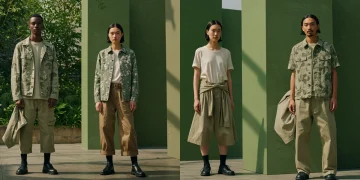
Decoding Gen Z’s Style: 7 Key Fashion Shifts by Mid-2026 US

Gen Z’s evolving style in the US market by mid-2026 will be characterized by a strong move towards personal expression, sustainable choices, and the pervasive influence of digital culture on fashion trends.
Understanding the dynamic landscape of youth culture is crucial for anyone keen on predicting future trends. By mid-2026, we anticipate significant transformations in how Gen Z approaches fashion in the US market. This generation, known for its digital fluency and social consciousness, is redefining style norms, moving away from conventional dictates towards a more personalized and purposeful aesthetic. This article delves into Gen Z fashion shifts that will dominate the scene, offering insights into their motivations and impact.
The Rise of Hyper-Personalization and Authenticity
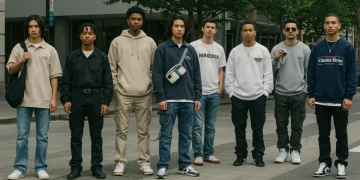
Gen Z is largely rejecting the notion of prescriptive fashion trends dictated by brands or traditional media. Instead, their style is a direct extension of their identity, values, and personal narratives. This emphasis on individualism means that what is ‘in style’ becomes highly subjective, driven by self-expression rather than conformity. They seek pieces that resonate with their unique perspective.
This shift fosters a market where niche aesthetics and subcultures thrive. The pursuit of authenticity translates into a preference for unique, often vintage or custom-made items, allowing them to craft a look that feels genuinely their own. Mass-produced uniformity is increasingly viewed with skepticism, as Gen Z values originality above all else.
Beyond Brand Loyalty: Value-Driven Choices
For Gen Z, a brand’s ethos is often as important as its aesthetics. They are highly informed consumers who research a brand’s sustainability practices, ethical sourcing, and social stance before making a purchase. This means that traditional brand loyalty is being replaced by a loyalty to shared values.
- Ethical Production: A strong demand for transparency in manufacturing.
- Social Impact: Brands that align with causes important to Gen Z.
- Inclusivity: Representation in campaigns and product offerings.
The hyper-personalization trend also extends to how Gen Z consumes fashion content. They follow influencers who reflect their diverse identities and interests, rather than mainstream celebrities. This peer-to-peer influence further fragmentizes trends, making the fashion landscape more varied and authentic.
Sustainability and Circular Fashion as Core Principles
Environmental consciousness is not just a buzzword for Gen Z; it’s a deeply ingrained value that significantly influences their purchasing decisions. This generation has grown up acutely aware of climate change and environmental degradation, leading them to prioritize sustainable and ethical practices in their fashion choices. By mid-2026, this will move from a niche concern to a mainstream expectation.
The concept of fast fashion, once a dominant force, is increasingly being challenged. Gen Z actively seeks alternatives that minimize environmental impact and promote a circular economy. This includes a growing interest in second-hand clothing, upcycling, and brands that offer repair services or take-back programs.
The Appeal of Pre-Loved and Vintage
Platforms for buying and selling used clothing have exploded in popularity, becoming central to Gen Z’s fashion ecosystem. Vintage pieces are not just seen as economical but also as unique, high-quality items with a story, fitting perfectly into their desire for authenticity and individuality. This embrace of pre-loved items significantly reduces textile waste and promotes resource efficiency.
- Thrift Store Culture: Mainstream appeal of second-hand shopping.
- Upcycling and DIY: Customizing existing garments to extend their lifespan.
- Rental Services: Accessing high-fashion items without permanent ownership.
Brands that fail to adapt to these sustainable demands risk losing relevance. Those that succeed will integrate eco-friendly materials, transparent supply chains, and circular design principles into their core business models, recognizing that sustainability is not just a marketing tactic but a fundamental requirement for the future of fashion.
The Blurring Lines of Gender-Neutral and Androgynous Styles
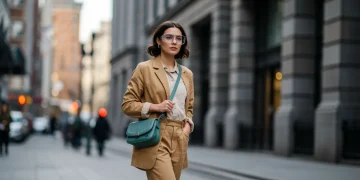
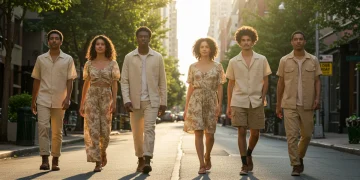
Gen Z is dismantling traditional gender norms, and fashion is a primary arena for this revolution. The rigid distinction between ‘menswear’ and ‘womenswear’ is becoming increasingly irrelevant as this generation embraces a more fluid and inclusive approach to style. By mid-2026, gender-neutral and androgynous fashion will be a pervasive element of the US market.
This shift is driven by a desire for self-expression free from societal constraints. Clothing is viewed as a tool for personal identity rather than a marker of biological sex. Collections that are designed to be worn by anyone, regardless of gender, are gaining significant traction, reflecting a broader societal movement towards inclusivity.
Fluid Silhouettes and Universal Appeal
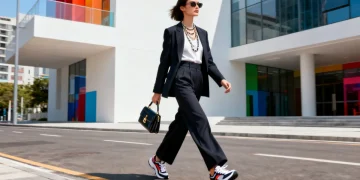
Designers are responding by creating garments with more fluid silhouettes, relaxed fits, and versatile designs that appeal to a wider audience. This includes oversized blazers, wide-leg trousers, and utilitarian jumpsuits that can be styled in myriad ways. The focus is on comfort, practicality, and aesthetic appeal rather than gender-specific tailoring.
- Oversized Apparel: Comfort and versatility across genders.
- Minimalist Designs: Clean lines and neutral palettes appealing to all.
- Shared Wardrobes: Couples and friends sharing clothing items.
The rise of gender-neutral fashion challenges brands to rethink their marketing and product development strategies. It encourages them to move beyond binary categorizations and create campaigns that celebrate diversity and individual expression, thus resonating more deeply with Gen Z’s progressive values.
Digital Fashion and the Metaverse Integration
Gen Z are digital natives, and their lives are seamlessly integrated with online spaces. This digital fluency extends to their fashion choices, with virtual clothing and accessories gaining significant traction. By mid-2026, the intersection of physical and digital fashion, particularly within the metaverse, will be a critical dimension of their style identity in the US.
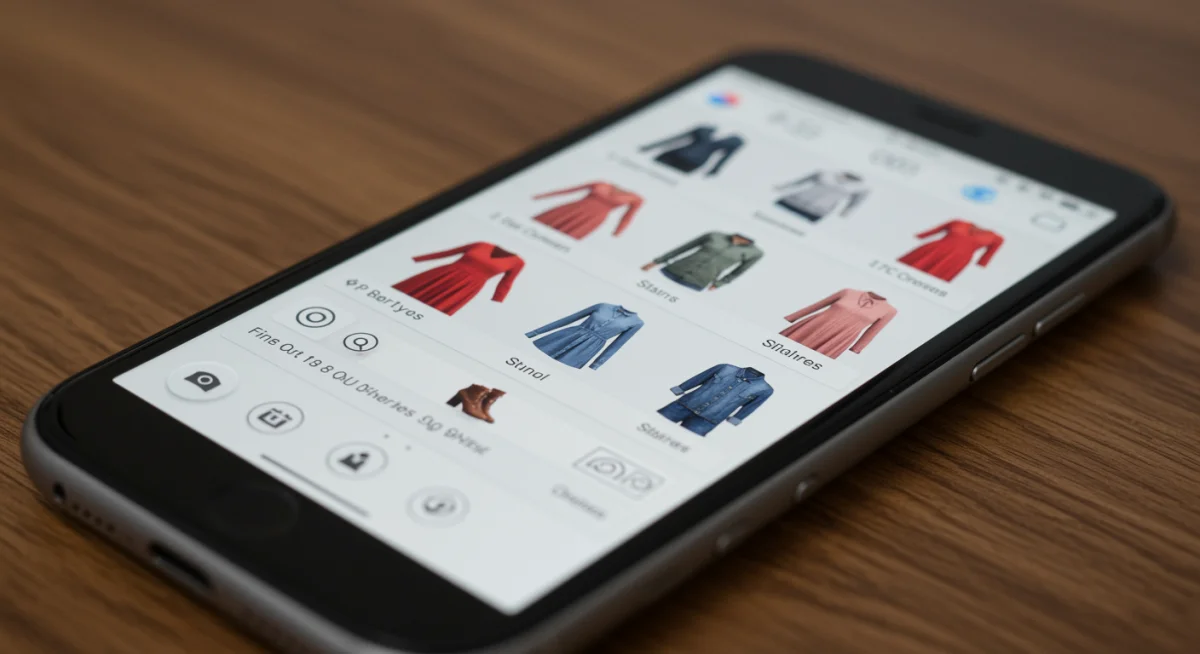
Digital fashion offers new avenues for creativity and self-expression without the environmental impact or financial cost of physical garments. From dressing avatars in virtual worlds to experimenting with augmented reality (AR) filters that allow users to ‘try on’ clothes, the metaverse is becoming a crucial testing ground for new styles and identities.
NFTs and Virtual Wardrobes
Non-fungible tokens (NFTs) are transforming how Gen Z perceives ownership in the digital realm. Fashion NFTs, whether standalone digital garments or digital twins of physical items, represent status, rarity, and artistic expression. Building a virtual wardrobe in the metaverse is becoming as important as curating a physical one for many.
- Avatar Customization: Expressing style through digital personas.
- AR Filters: Trying on virtual clothes and accessories via phone cameras.
- Gaming Skins: Fashion as a form of self-expression in virtual games.
Brands are investing heavily in digital fashion, seeing it as a way to connect with Gen Z in their native environment. This includes creating virtual stores, designing exclusive NFT collections, and partnering with metaverse platforms. The future of fashion will increasingly involve a blend of tangible and intangible assets.
Comfort-Centric and Functional Aesthetics
The pandemic significantly accelerated a trend already brewing among Gen Z: the prioritization of comfort and functionality. As lifestyles became more fluid, blurring the lines between work, leisure, and home, so too did fashion. By mid-2026, comfort-centric and highly functional aesthetics will remain a cornerstone of Gen Z’s style in the US market.
This doesn’t mean a sacrifice of style; rather, it implies an integration of comfortable elements into versatile, fashionable outfits. Activewear, loungewear, and adaptive clothing are no longer confined to specific activities but are foundational components of daily attire. The demand is for clothing that moves with them, supports their active lives, and transitions effortlessly between different settings.
The Athleisure Evolution
Athleisure continues to evolve beyond basic gym wear. It now encompasses sophisticated pieces that blend performance fabrics with stylish designs, suitable for both a workout and a casual outing. This includes elevated tracksuits, stylish sneakers, and technical fabrics that offer both comfort and durability.
- Versatile Loungewear: Chic options for home and casual wear.
- Adaptive Clothing: Designs catering to diverse body types and needs.
- Practical Outerwear: Garments with multiple pockets and weather-resistant features.
The focus on functionality also extends to durability and ease of care. Gen Z seeks clothing that can withstand frequent wear and washing, aligning with their sustainable values and practical lifestyles. This pragmatic approach to fashion underscores a desire for pieces that serve multiple purposes and offer long-term value.
Nostalgia and Reimagined Vintage Trends
While Gen Z is forward-thinking, they also have a deep appreciation for the past, often filtered through a contemporary lens. Nostalgia plays a significant role in their fashion choices, leading to a cyclical revival of trends from previous decades, particularly the late 90s and early 2000s. By mid-2026, this reimagined vintage aesthetic will continue to be a dominant force in the US market.
This isn’t merely about replicating old styles; it’s about reinterpreting them with a modern twist. Gen Z blends vintage pieces with contemporary items, creating unique looks that pay homage to the past while remaining distinctly current. Social media platforms, especially TikTok, are powerful engines for these nostalgic revivals, with trends like ‘Y2K’ and ‘Cottagecore’ gaining immense popularity.
The Influence of Pop Culture and Subcultures
Pop culture from previous eras, particularly music, movies, and TV shows, serves as a rich source of inspiration. Gen Z creatives and influencers often draw from these archives, introducing younger audiences to styles they might not have encountered otherwise. This often leads to the formation of new subcultures around these revitalized aesthetics.
- Y2K Revival: Low-rise jeans, crop tops, baguette bags.
- 90s Minimalism: Slip dresses, oversized blazers, grunge elements.
- Retro Sportswear: Vintage athletic brands and iconic silhouettes.
Brands that successfully tap into this nostalgic current often do so by re-releasing classic designs or collaborating with vintage-inspired artists and designers. They understand that for Gen Z, the past is not just history but a wellspring of creative possibilities for personal style.
Community-Driven Microtrends and Niche Aesthetics
The internet, particularly social media platforms like TikTok, Instagram, and Discord, has empowered Gen Z to form highly specific communities around shared interests and aesthetics. This has given rise to an unprecedented number of microtrends and niche styles, each with its dedicated following. By mid-2026, this community-driven fragmentation of trends will be more pronounced than ever in the US market.
Unlike previous generations where trends often trickled down from high fashion, Gen Z’s fashion landscape is bubbling up from diverse online communities. These microtrends are often short-lived but intensely influential within their respective niches, making it challenging for mainstream brands to keep pace without appearing inauthentic.
The Role of TikTok in Trend Propagation
TikTok is arguably the most powerful platform for the rapid dissemination of microtrends. Short-form videos allow users to showcase their unique styles, participate in fashion challenges, and discover new aesthetics. Trends can emerge overnight, gaining massive traction before fading just as quickly, replaced by the next viral sensation.
- Aesthetic Challenges: Users curating outfits based on specific themes.
- DIY Tutorials: Sharing how to create unique fashion items.
- Niche Fashion Communities: Groups dedicated to specific styles like ‘Dark Academia’ or ‘Gorpcore’.
For brands and retailers, understanding these microtrends requires constant monitoring and a willingness to engage directly with these communities. Authenticity and quick adaptation are key, as Gen Z quickly discerns genuine engagement from opportunistic trend-hopping. The future of fashion forecasting will rely heavily on analyzing these dynamic, community-driven movements.
| Key Shift | Brief Description |
|---|---|
| Hyper-Personalization | Individual expression supersedes mass trends, valuing unique, authentic style over brand dictates. |
| Sustainability & Circularity | Strong preference for ethical, eco-friendly, second-hand, and upcycled fashion practices. |
| Gender Fluidity | Breakdown of traditional gendered clothing, favoring gender-neutral and androgynous styles. |
| Digital & Metaverse Fashion | Integration of virtual clothing, NFTs, and AR filters into personal style and identity. |
Frequently Asked Questions About Gen Z Fashion
Hyper-personalization in Gen Z fashion refers to the strong emphasis on individual expression and unique style, where clothing choices are deeply tied to personal identity, values, and narratives rather than conforming to mass trends. It leads to a preference for unique, often vintage or custom-made items that reflect one’s distinct personality.
Sustainability is a core value for Gen Z, leading them to prioritize ethical and eco-friendly practices. They actively seek alternatives to fast fashion, favoring second-hand clothing, upcycled items, and brands with transparent supply chains. This minimizes environmental impact and promotes a circular economy in their fashion consumption.
Gender fluidity is dismantling traditional fashion norms, making rigid distinctions between ‘menswear’ and ‘womenswear’ increasingly obsolete. Gen Z embraces gender-neutral and androgynous styles, viewing clothing as a tool for self-expression free from societal constraints. This results in fluid silhouettes and versatile designs appealing to all.
Digital fashion, including virtual clothing, NFTs, and augmented reality filters, is seamlessly integrating into Gen Z’s style identity. It offers new creative outlets, allowing them to express themselves in virtual worlds and social media. Building a virtual wardrobe is becoming as significant as curating a physical one, influencing physical purchases too.
Microtrends are prevalent due to Gen Z’s strong community formation on social media platforms like TikTok. These platforms enable rapid dissemination of niche aesthetics and styles, often emerging organically from diverse online groups. While short-lived, these trends are intensely influential within their specific communities, driving constant evolution in fashion.
Conclusion
The fashion landscape by mid-2026, shaped by Gen Z in the US market, will be a vibrant tapestry of individuality, conscious consumption, and digital innovation. This generation is not merely adopting trends; they are actively creating a future where authenticity, sustainability, and inclusivity are paramount. Brands and designers who wish to remain relevant must listen intently to these shifts, adapting their strategies to align with Gen Z’s values and their dynamic approach to personal style. The era of top-down trend dictation is giving way to a more democratic, community-driven, and value-led fashion ecosystem, promising an exciting and ever-evolving future for style.