Smart Shopping for Home Appliances: Save 15% on Energy in 2025
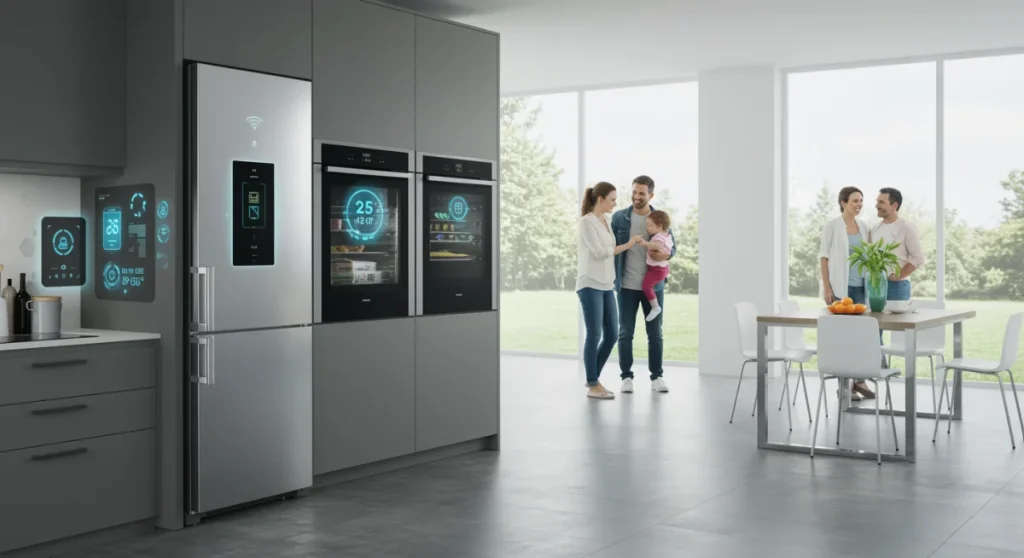
By strategically investing in smart and energy-efficient home appliances in 2025, consumers can anticipate an average reduction of 15% in their annual energy costs, optimizing household budgets and environmental impact.
Are you ready to transform your home into a beacon of efficiency and savings? In 2025, the landscape of home appliances offers unprecedented opportunities to cut down on utility bills. This guide zeroes in on smart shopping for home appliances in 2025: reduce energy costs by an average of 15%, providing actionable insights to make your next purchase not just an upgrade, but a strategic investment in your financial future. Let’s explore how informed choices can lead to significant energy savings and a more sustainable lifestyle.
Understanding Energy Star Ratings and Beyond
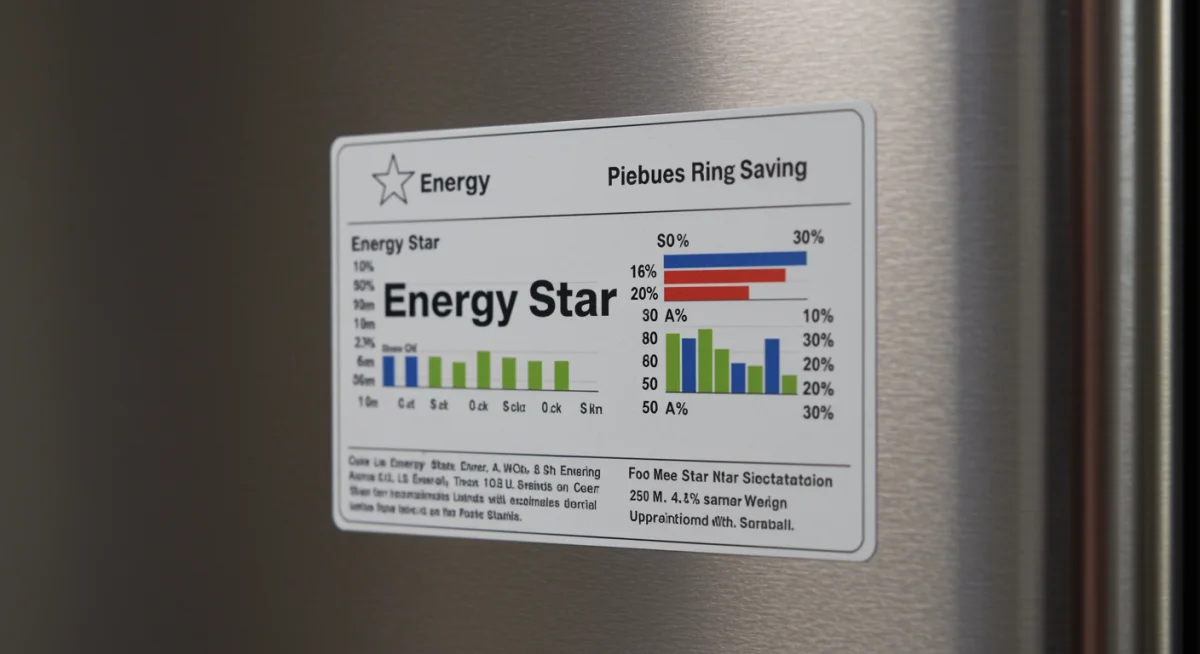
When it comes to purchasing new home appliances, understanding energy ratings is paramount. The Energy Star label, a joint program of the U.S. Environmental Protection Agency and the U.S. Department of Energy, serves as a crucial indicator of energy efficiency. However, in 2025, merely looking for the Energy Star logo might not be enough; delving deeper into specific energy consumption metrics can yield even greater savings.
Energy Star certified products typically use 10% to 50% less energy and water than standard models, depending on the product type. This certification is a baseline, ensuring a certain level of efficiency. For consumers aiming to maximize savings, comparing models within the Energy Star category for their specific energy usage in kilowatt-hours (kWh) per year is a smart move. Manufacturers are increasingly transparent with this data, often found on the yellow EnergyGuide label.
The Evolution of Energy Efficiency Standards
Standards for energy efficiency are continually evolving, with 2025 bringing even stricter guidelines for many appliance categories. This means newer models are inherently more efficient than their predecessors. Staying informed about these updates can help you make a future-proof purchase.
- Refrigerators: Look for advanced insulation and variable-speed compressors.
- Washing Machines: High-efficiency (HE) models use less water and energy, reducing drying times.
- Dishwashers: Sensor technology that adjusts water usage based on soil level is key.
Beyond the label, consider the total cost of ownership. A slightly more expensive, highly efficient appliance can often pay for itself through lower energy bills within a few years, making it a more economical choice in the long run. This holistic view is essential for truly smart shopping.
The Rise of Smart Appliances: More Than Just Connectivity
Smart appliances are no longer just a luxury; they are becoming a cornerstone of energy-efficient homes in 2025. These devices offer connectivity and advanced features that can significantly reduce energy consumption, often exceeding the savings achieved by non-smart but energy-efficient models. Their ability to learn, adapt, and be controlled remotely provides a new dimension to energy management.
The true value of smart appliances lies in their intelligent features. For instance, smart thermostats can learn your schedule and preferences, automatically adjusting temperatures to save energy when you’re away. Smart refrigerators can monitor their contents, suggest optimal storage conditions, and even alert you to potential spoilage, thereby reducing food waste and the energy needed to replace it.
Automated Energy Management
Many smart appliances integrate with home energy management systems, allowing for a centralized control of energy usage. This integration can lead to substantial savings by optimizing when and how appliances operate. Imagine your dishwasher running only during off-peak electricity hours, or your smart oven preheating precisely when needed.
- Remote Control: Turn off forgotten appliances from anywhere.
- Usage Monitoring: Track energy consumption to identify wasteful habits.
- Smart Grids: Future-proofing your home for demand-response programs.
The initial investment in smart appliances might be higher, but the long-term energy savings, combined with enhanced convenience and functionality, often justify the cost. As technology advances, these devices become more affordable and accessible, making them a viable option for a wider range of households seeking to reduce their environmental footprint and energy bills.
Strategic Appliance Replacement: When to Upgrade
Deciding when to replace an old appliance can be a tricky balance between repair costs, declining efficiency, and the initial outlay for a new model. In 2025, with rapidly advancing energy-saving technologies, holding onto an outdated appliance might be costing you more in energy bills than the price of a new, efficient replacement.
A good rule of thumb is to consider replacing appliances that are more than 10 years old, especially those that run frequently like refrigerators, washers, and dryers. These older models typically lack the energy-saving innovations present in modern units. Even if an old appliance still functions, its energy consumption could be significantly higher, negating any perceived savings from not buying new.
Calculating Your Potential Savings
Before making a purchase, take the time to calculate the potential energy savings. Many utility companies offer online calculators that can estimate the difference in operating costs between your old appliance and a new, energy-efficient model. This personalized data can be a powerful motivator.
- Refrigerators: Often the biggest energy users in the kitchen.
- Washing Machines: Look for water and energy factor ratings.
- Water Heaters: Tankless or heat pump models offer significant long-term savings.
Furthermore, consider local rebates and incentives. Many states and utility providers offer financial incentives for upgrading to energy-efficient appliances, which can further reduce the effective cost of a new purchase. Timing your purchase to align with these programs can lead to even greater overall savings.
Leveraging Rebates and Incentives for Maximum Savings
Beyond the inherent energy savings of efficient appliances, numerous financial incentives exist to make these purchases more affordable. In 2025, federal, state, and local governments, along with utility companies, are increasingly promoting energy efficiency through various rebate and incentive programs. Tapping into these resources is a crucial step in smart appliance shopping.
These programs can significantly reduce the upfront cost of energy-efficient appliances, making the transition to a greener home not just environmentally responsible but also economically advantageous. It’s not uncommon for consumers to save hundreds of dollars through a combination of these incentives, further accelerating the payback period for their investment.
Where to Find Available Programs
Identifying eligible programs requires a bit of research, but the effort is well worth it. Start by checking your local utility company’s website, as they often have dedicated sections for energy-saving rebates. State energy offices and federal government websites (like Energy.gov) are also excellent resources for discovering broader programs.
- Federal Tax Credits: Keep an eye out for potential tax credits on certain high-efficiency products.
- State and Local Rebates: Specific programs vary by location; often found through state energy departments.
- Manufacturer Rebates: Many brands offer their own promotions for energy-efficient models.
Always verify the eligibility requirements and application deadlines for each program. Some rebates are offered on a first-come, first-served basis, or may require specific documentation, such as proof of purchase and installation. Planning your appliance purchases around these incentive windows can lead to substantial additional savings.
Installation and Maintenance for Optimal Performance
Purchasing an energy-efficient appliance is only half the battle; proper installation and diligent maintenance are equally critical to ensuring it operates at peak efficiency and delivers the promised energy savings. A poorly installed or maintained appliance can consume more energy than necessary, negating the benefits of its efficient design.
Professional installation is often recommended, especially for complex appliances like dishwashers, washing machines, or built-in ovens. Incorrect wiring, improper ventilation, or leaky connections can all lead to reduced efficiency and potentially higher energy bills. Investing in professional setup ensures your new appliance starts its life in your home on the right foot.
Routine Maintenance Tips
Once installed, consistent maintenance is key. Simple tasks can go a long way in preserving efficiency and extending the lifespan of your appliances.
- Clean Refrigerator Coils: Dust and debris can make your fridge work harder.
- Check Dishwasher Filters: A clean filter ensures efficient washing cycles.
- Empty Dryer Lint Traps: Reduces drying time and fire hazards.
Refer to your appliance’s user manual for specific maintenance guidelines. Regular cleaning, timely filter replacements, and addressing minor issues promptly can prevent larger problems and ensure your appliances continue to operate at their advertised energy efficiency levels, contributing to your overall 15% energy cost reduction goal.
Future-Proofing Your Home: Emerging Technologies
As we look beyond 2025, the landscape of home appliances continues to evolve with exciting new technologies promising even greater energy efficiency and convenience. Staying abreast of these emerging trends can help you make purchasing decisions that future-proof your home, ensuring long-term savings and sustainability.
Innovations like advanced heat pump technology, which is already present in water heaters and dryers, are becoming more widespread and efficient. These systems move heat rather than generating it, significantly reducing energy consumption. The integration of artificial intelligence (AI) and machine learning (ML) into appliances is also set to revolutionize how they operate, making them even smarter and more adaptable to household needs and energy demands.
The Role of AI and Machine Learning
AI and ML will enable appliances to learn user behavior patterns with even greater precision, optimizing cycles and settings to minimize energy use without sacrificing performance. Imagine a washing machine that learns your laundry habits and automatically selects the most energy-efficient cycle based on load size, fabric type, and even the local weather forecast.
- Predictive Maintenance: Appliances will alert you before a major fault occurs.
- Self-Optimizing Systems: Continuous adjustments for peak energy performance.
- Enhanced Integration: Seamless communication with smart home ecosystems.
Investing in appliances that incorporate these forward-thinking technologies means you’re not just buying for today, but for the energy landscape of tomorrow. While some of these advancements are still in their early stages, their potential for further reducing energy costs and enhancing convenience is immense, making them a worthwhile consideration for the discerning smart shopper.
| Key Strategy | Brief Description |
|---|---|
| Energy Star Certification | Prioritize appliances with Energy Star labels for guaranteed efficiency, but also compare specific kWh usage. |
| Smart Appliance Integration | Leverage smart features for remote control, usage monitoring, and automated energy optimization. |
| Rebates and Incentives | Actively seek federal, state, local, and utility programs that offer financial aid for efficient upgrades. |
| Proper Installation & Maintenance | Ensure professional installation and regular upkeep to maintain optimal energy performance and longevity. |
Frequently Asked Questions About Smart Appliance Shopping
An Energy Star label signifies that an appliance meets strict energy efficiency guidelines set by the EPA and DOE. This typically means it uses 10-50% less energy than conventional models, directly translating to lower electricity consumption and reduced utility bills over its lifespan.
Initially, smart appliances can have a higher upfront cost. However, their advanced features for energy management, remote control, and usage monitoring often lead to greater long-term energy savings, potentially offsetting the initial investment and providing enhanced convenience.
Start by checking your local utility company’s website, state energy office, and federal government sites like Energy.gov. Many manufacturers also offer direct rebates. Always review eligibility requirements and application deadlines carefully to maximize your savings.
Consider replacing appliances over 10 years old, especially those with high usage like refrigerators or washers. Newer models often have significantly improved energy efficiency, and the savings on utility bills can quickly outweigh the cost of a new purchase.
Absolutely. Regular maintenance, such as cleaning refrigerator coils, emptying dryer lint traps, and checking dishwasher filters, ensures your appliances run at their optimal efficiency. Neglecting these tasks can force appliances to work harder, consuming more energy and increasing your bills.
Conclusion
Embracing smart shopping for home appliances in 2025: reduce energy costs by an average of 15% is more than just a trend; it’s a strategic approach to modern home management. By prioritizing energy-efficient models, leveraging smart technology, utilizing available rebates, and ensuring proper maintenance, homeowners can achieve significant financial savings while contributing to a more sustainable future. The journey towards a truly energy-efficient home begins with informed decisions and a commitment to smart investments, proving that comfort and cost savings can indeed go hand in hand.