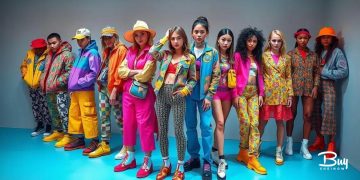
Vintage Revival: 70s & 90s Styles for Your 2025 Wardrobe
To incorporate authentic 1970s and 1990s styles into your 2025 US wardrobe, focus on key silhouettes, fabric choices, and strategic accessorizing while blending them with contemporary pieces for a cohesive and personalized aesthetic.
The fashion world is in a constant state of flux, yet certain eras consistently resurface, captivating new generations. In 2025, the undeniable allure of the 1970s and 1990s is set to dominate, offering a rich tapestry of styles for those ready to embrace the vintage revival fashion.
Understanding the 1970s Aesthetic: Boho Chic to Disco Glam
The 1970s were a decade of profound cultural shifts, mirrored dramatically in its fashion. From the free-spirited bohemian looks to the dazzling disco ensembles, this era offered a diverse palette that continues to inspire. Integrating these elements into a 2025 wardrobe requires a nuanced understanding of their core characteristics and how they translate into modern wearability.
The essence of 70s fashion lies in its fluidity, self-expression, and a certain relaxed elegance. It celebrated natural fibers, earthy tones, and bold patterns. For a 2025 interpretation, think about how these foundational elements can be updated without losing their authentic charm. This isn’t about costume play; it’s about intelligent integration.
Key Silhouettes and Fabrics of the 70s
The silhouettes of the 1970s were often exaggerated and dramatic, emphasizing movement and comfort. Wide-leg trousers and flared jeans were ubiquitous, offering a relaxed yet stylish alternative to the narrower cuts of previous decades. Maxi dresses and skirts, often in floral or paisley prints, epitomized the bohemian spirit.
- Flared Bottoms: High-waisted flared jeans or trousers are foundational. Pair them with fitted tops to balance the volume.
- Maxi Dresses and Skirts: Opt for flowing, printed maxi dresses in natural fabrics like cotton or rayon for an effortless look.
- Ribbed Knits: Fitted ribbed knit tops, often with a slight turtleneck or V-neck, were a staple, perfect for layering.
- Suede and Corduroy: These textures were prevalent, appearing in jackets, skirts, and even accessories, adding a tactile richness.
When selecting fabrics, prioritize natural and breathable options. Suede, corduroy, denim, and various knits were all hallmarks of the decade. Consider how these materials feel and drape, as texture plays a significant role in conveying the 70s vibe. The goal is to achieve a look that feels both authentic to the era and comfortable for contemporary life.
Color Palettes and Patterns
The 70s embraced a rich and varied color palette. Earth tones like olive green, burnt orange, mustard yellow, and deep browns were popular, particularly in bohemian styles. Disco fashion, on the other hand, favored bolder, more vibrant hues and metallic finishes. Patterns were equally diverse, ranging from intricate paisleys and florals to geometric prints and stripes.
To incorporate these into your 2025 wardrobe, don’t be afraid to mix and match. A modern approach might involve pairing a patterned 70s-inspired blouse with a neutral contemporary bottom, or using a vibrant accessory to add a pop of color to an otherwise subdued outfit. The key is to find balance and ensure the vintage elements enhance, rather than overwhelm, your personal style. By understanding the core elements of the 1970s, you can begin to thoughtfully select pieces that will enrich your 2025 wardrobe with a touch of retro elegance.
Embracing the 1990s Grunge and Minimalist Movement
Moving forward two decades, the 1990s presented a stark contrast to the opulence of the 70s and 80s. This era was characterized by a pushback against consumerism, manifesting in two dominant fashion movements: grunge and minimalism. Both offer unique avenues for integration into a 2025 wardrobe, appealing to different facets of modern style.
The 90s celebrated a more understated, often rebellious, aesthetic. It was about authenticity, comfort, and a certain anti-fashion stance. For 2025, the trick is to capture this spirit without resorting to literal interpretations, instead focusing on the enduring appeal of its core pieces and styling philosophies.
Defining Grunge and Minimalism
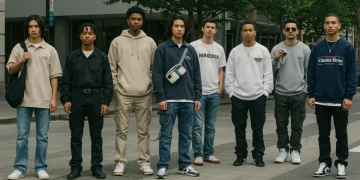
Grunge fashion, born from the Seattle music scene, was characterized by its relaxed, often disheveled look. Think oversized flannels, ripped denim, band t-shirts, and combat boots. It was about effortless cool and a rejection of polished appearances. Minimalism, on the other hand, championed clean lines, neutral colors, and simple, well-tailored pieces. It was a sophisticated simplicity, focusing on quality over quantity.
Both styles, despite their differences, shared a common thread of comfort and practicality. This makes them particularly relevant for a 2025 wardrobe, where versatility and ease of wear are highly valued. The challenge lies in selecting elements from each that can coexist harmoniously within a modern context.
Key Pieces and Styling for a 90s Vibe
Several iconic pieces define the 90s aesthetic. For grunge, a plaid flannel shirt, often worn open over a graphic tee, is essential. Distressed denim, whether jeans or shorts, also plays a crucial role. For minimalism, slip dresses, sleek tailored trousers, and simple tank tops in monochromatic palettes are key. Layering was a significant trend across both styles.
- Oversized Flannels: Wear them open, tied around the waist, or as a lightweight jacket.
- Slip Dresses: Layered over a t-shirt for a casual look, or worn alone for understated elegance.
- Chunky Footwear: Combat boots or platform sneakers instantly inject a 90s edge.
- Denim Jackets: A timeless staple, often worn oversized and slightly distressed.
When styling 90s pieces, consider the balance of proportions. Oversized tops can be paired with slimmer bottoms, and vice versa. Don’t be afraid to mix high and low fashion, a hallmark of the decade. The goal is to create a look that feels authentic to the 90s but doesn’t appear dated. By understanding the core tenets of 90s grunge and minimalism, you can strategically incorporate these enduring styles into your contemporary wardrobe, achieving a look that is both nostalgic and forward-thinking.
Strategic Integration: Blending Vintage with Modern for 2025
The art of incorporating vintage styles isn’t about dressing head-to-toe in a specific era’s attire. Instead, it’s about thoughtful integration, selecting key pieces that resonate with your personal style and blending them seamlessly with contemporary items. For 2025, this blend is crucial for achieving a look that feels fresh, relevant, and authentically you.
The goal is to create a wardrobe that tells a story, combining the best of different decades with the practicality and comfort of modern fashion. This requires an eye for detail, an understanding of proportion, and a willingness to experiment.
The Art of Mixing and Matching Eras
One of the most effective ways to integrate vintage pieces is by mixing elements from different eras with current trends. For example, a 70s-inspired wide-leg trouser can be paired with a minimalist 90s crop top and a modern blazer. This creates a dynamic outfit that draws on multiple influences without being overwhelming.
- Contrast Textures: Combine a smooth 90s slip dress with a textured 70s suede jacket.
- Balance Silhouettes: Pair a voluminous 70s blouse with sleek, modern tailored pants.
- Modern Accessories: Use contemporary bags, shoes, and jewelry to update vintage-inspired clothing.
- Color Cohesion: Ensure that the color palette across your mixed pieces feels harmonious, even if drawing from different eras.
Consider the overall aesthetic you want to achieve. Are you aiming for a bohemian-meets-urban vibe, or a more polished, retro-chic look? Your choice of modern counterparts will dictate the final outcome. The beauty of this approach lies in its flexibility, allowing for endless creative combinations.
Updating Vintage for Contemporary Wear
Sometimes, a vintage piece needs a slight update to feel truly modern. This could involve tailoring, minor alterations, or simply a fresh approach to styling. For example, a vintage 70s dress might benefit from a contemporary belt to cinch the waist, or a pair of modern sneakers to dress it down.
Think about the practicality of the garment. Can it be easily washed? Is it comfortable for daily wear? If a piece feels too costume-like, it might need to be rethought or reserved for specific occasions. The most successful vintage integrations are those that feel effortless and natural within your existing wardrobe. By strategically blending and updating, you can ensure your 2025 wardrobe is a curated collection of timeless styles.
Essential Pieces for Your 2025 Vintage-Inspired Wardrobe
Building a vintage-inspired wardrobe for 2025 doesn’t mean buying every retro item you see. Instead, it’s about curating a collection of essential pieces that can be mixed, matched, and layered to create diverse looks. These foundational items will serve as the backbone of your retro-infused style, offering versatility and timeless appeal.
Focus on quality over quantity, investing in pieces that are well-made and can withstand the test of time, much like the original garments they emulate. The goal is to build a cohesive wardrobe that feels both nostalgic and distinctly modern.
Must-Have 70s Inspired Items
For a strong 70s presence, prioritize items that capture the decade’s unique blend of bohemian and disco aesthetics. These pieces are highly recognizable and offer significant styling potential.
- Flared Jeans/Trousers: A cornerstone of 70s fashion, choose a high-waisted pair in a classic indigo or a rich corduroy.
- Printed Maxi Dress: Look for flowing silhouettes in vibrant paisley, floral, or geometric patterns.
- Suede Jacket: A fringed or classic button-up suede jacket adds instant 70s authenticity.
- Platform Shoes: Whether boots or sandals, platforms elevate any outfit, literally and figuratively.
- Statement Blouse: A blouse with dramatic sleeves, a pussy-bow, or a bold print is quintessential 70s.
When selecting 70s pieces, consider their potential for layering and how they can be integrated with your existing modern wardrobe. A statement blouse can be paired with contemporary trousers, or flared jeans can be dressed up with a sleek top.
Key 90s Fashion Staples
The 90s brought a more casual and minimalist approach, making its essentials highly adaptable to a modern wardrobe. These pieces are often comfortable, versatile, and effortlessly cool.
- Slip Dress: A simple, elegant slip dress can be worn alone or layered over a t-shirt or turtleneck.
- Oversized Denim Jacket: A relaxed-fit denim jacket is a timeless staple that adds an instant cool factor.
- Chunky Sneakers/Combat Boots: These footwear choices define the casual and edgy vibe of the 90s.
- Plaid Flannel Shirt: Essential for a grunge aesthetic, wear it open, closed, or tied around the waist.
- Minimalist Crop Top/Tank: Simple, form-fitting tops in neutral colors are perfect for layering or stand-alone wear.
The beauty of 90s staples lies in their simplicity and versatility. They can be easily dressed up or down, making them ideal for a dynamic 2025 wardrobe. By focusing on these essential items from both decades, you can build a comprehensive vintage-inspired collection that feels both authentic and contemporary.
Accessorizing Your Retro Look: The Finishing Touches
Accessories are the unsung heroes of any outfit, and when it comes to a vintage revival, they are absolutely crucial. The right accessories can elevate a simple outfit, transforming it from ordinary to authentically retro-chic. For 2025, thoughtfully chosen accessories inspired by the 1970s and 1990s will be key to perfecting your vintage-infused wardrobe.
Think of accessories as the punctuation marks of your style. They offer an opportunity to inject personality, color, and texture, completing the narrative of your chosen era without overwhelming the core garments.
1970s Accessory Essentials
The 70s embraced a range of accessories, from bohemian natural elements to disco glam. Selecting a few key pieces can dramatically enhance your outfit’s vintage appeal.
- Wide-Brim Hats: Floppy hats in felt or straw add an instant touch of bohemian glamour.
- Statement Sunglasses: Oversized, round, or aviator-style sunglasses are iconic 70s.
- Platform Boots/Sandals: As mentioned, footwear is key, and platforms were a defining feature.
- Layered Necklaces: Long, delicate chains often with pendants, or chunky beaded necklaces.
- Fringed Bags: Suede or leather bags with fringe detailing complete the boho look.
When choosing 70s accessories, consider the overall vibe you’re aiming for. Are you channeling a Woodstock-inspired look, or something more akin to a disco queen? The accessories should complement your clothing choices, creating a cohesive and believable aesthetic. Don’t be afraid to mix textures and materials, such as wood, leather, and metal.
90s Accessory Must-Haves
The 90s, with its grunge and minimalist leanings, had a distinct approach to accessories. Often understated, sometimes rebellious, these pieces speak volumes with their simplicity or edgy design.
- Chokers: From simple velvet bands to tattoo chokers, these were a signature 90s item.
- Mini Backpacks: Practical and stylish, mini backpacks were a ubiquitous accessory.
- Scrunchies: A nostalgic hair accessory that has made a strong comeback.
- Combat Boots/Chunky Sneakers: Again, footwear acts as a major accessory, grounding many 90s looks.
- Small Shoulder Bags: Sleek and minimalist, these bags were perfect for a night out or casual day.
For 90s accessories, focus on pieces that are either subtly cool or add a touch of playful nostalgia. The key is often in the understated nature or the specific silhouette. By thoughtfully integrating these foundational accessories, you can effectively complete your 2025 vintage-inspired ensembles, adding depth and authenticity to your personal style.
Where to Source Authentic Vintage and Inspired Pieces
Finding the perfect vintage pieces for your 2025 wardrobe can be an exciting treasure hunt. While some prefer the thrill of discovering genuine articles, others might opt for modern reproductions that capture the essence of the eras. Understanding where to look, whether online or in physical stores, is crucial for building a truly unique and authentic collection.
The journey of sourcing is part of the fun, allowing you to connect with the history behind the garments. It also promotes sustainable fashion practices by giving new life to pre-loved items.
Hunting for Genuine Vintage Treasures
For those seeking true authenticity, dedicated vintage shops and flea markets are invaluable resources. These locations often house unique, one-of-a-kind pieces that carry a sense of history. The key to successful vintage shopping is patience, a keen eye, and an understanding of what to look for in terms of quality and style.
- Local Vintage Boutiques: Often curated, these shops offer higher quality, sometimes pricier, selections.
- Thrift Stores/Charity Shops: Require more digging but can yield incredible finds at bargain prices.
- Flea Markets & Estate Sales: Excellent for discovering unique accessories, outerwear, and larger pieces.
- Online Vintage Marketplaces: Platforms like Etsy, Depop, and eBay offer vast selections from sellers worldwide.
When shopping for genuine vintage, pay close attention to the condition of the garment. Check for stains, tears, and missing buttons. Don’t be afraid to try things on, as vintage sizing can differ significantly from modern standards. A little imperfection can add character, but major flaws might require costly repairs.
Finding Modern Reproductions and Inspired Collections
If genuine vintage isn’t your preference, or you’re looking for new items with a vintage feel, many contemporary brands offer collections inspired by the 70s and 90s. These pieces often blend retro aesthetics with modern fabrics and construction, offering the best of both worlds.
Look for brands known for their commitment to quality and their ability to reinterpret past trends with a fresh perspective. Many mainstream retailers will also feature capsule collections that draw heavily from these iconic decades, especially as 2025 approaches. This option provides the convenience of modern sizing and care instructions while still allowing you to embrace the desired aesthetic. Regardless of your sourcing preference, a well-rounded approach ensures your 2025 wardrobe is both stylish and sustainable.
Maintaining and Caring for Your Vintage Pieces
Acquiring authentic vintage clothing is just the first step; proper care and maintenance are essential to ensure these unique pieces remain a cherished part of your 2025 wardrobe for years to come. Unlike modern garments, vintage items often require a more delicate approach due to their age, fabric composition, and construction.
Understanding how to clean, store, and repair your vintage finds will not only preserve their integrity but also protect your investment. A little extra care goes a long way in ensuring the longevity and beauty of your retro collection.
Delicate Cleaning Practices
Vintage fabrics, especially those from the 70s like delicate silks, rayons, or older knits, can be fragile. Always check for care labels, but if none are present or are too faded, it’s best to err on the side of caution. Dry cleaning is often the safest option for wool, silk, and structured garments.
- Hand Washing: For sturdy cottons, linens, or some synthetics, hand washing in cool water with a mild, pH-neutral detergent is ideal.
- Spot Cleaning: Address small stains immediately with a gentle fabric cleaner, testing on an inconspicuous area first.
- Avoid Harsh Chemicals: Bleach and strong detergents can damage delicate fibers and alter colors.
- Air Drying: Always air dry vintage garments flat or on a padded hanger, away from direct sunlight, to prevent stretching or fading.
Never put a truly vintage piece in a conventional washing machine or dryer unless you are absolutely certain it can withstand the process. The agitation and heat can cause irreversible damage, shrinkage, or color bleeding. When in doubt, consult a professional textile conservator or a reputable dry cleaner specializing in vintage garments.
Proper Storage and Minor Repairs
How you store your vintage clothing significantly impacts its lifespan. Proper storage protects against dust, pests, light exposure, and physical damage. For long-term preservation, consider specialized storage solutions.
Minor repairs are also part of vintage ownership. Learning basic mending skills like sewing on a button, patching a small tear, or re-stitching a hem can save a beloved piece. For more complex issues, a skilled tailor or seamstress with experience in vintage clothing is invaluable. They can often restore a garment without compromising its original character.
By implementing these careful cleaning, storage, and repair practices, your 1970s and 1990s pieces will not only endure but thrive, allowing you to enjoy your unique 2025 vintage-inspired wardrobe for many seasons to come. This dedication to care is a testament to the value you place on sustainable and timeless fashion.
| Key Trend | Brief Description |
|---|---|
| 70s Boho Chic | Flowing silhouettes, natural fabrics, earthy tones, and bold prints like paisley and floral. Think maxi dresses and flared jeans. |
| 70s Disco Glam | Vibrant colors, metallics, fitted silhouettes, and platforms. Perfect for statement pieces and evening wear. |
| 90s Grunge | Oversized flannels, ripped denim, band tees, and combat boots for an effortlessly cool, rebellious look. |
| 90s Minimalism | Clean lines, neutral palettes, slip dresses, tailored trousers, and simple, sophisticated silhouettes. |
Frequently Asked Questions About Vintage Revival Fashion
Begin with key accessories like a 70s wide-brim hat or 90s choker, or integrate one statement garment such as flared jeans or a slip dress. Pair these with your existing modern staples to gradually build a cohesive vintage-inspired look without drastic changes.
Authentic vintage pieces can be found at local vintage boutiques, thrift stores, flea markets, and online marketplaces like Etsy or Depop. These platforms offer a wide selection, but always check condition and sizing carefully before purchasing.
Vintage sizing often differs from modern standards. Always take your measurements and compare them to the garment’s actual dimensions provided by the seller. When possible, try items on before buying, or be prepared for minor tailoring for a perfect fit.
Absolutely. Choosing vintage fashion significantly reduces environmental impact by extending the life cycle of clothing, minimizing textile waste, and decreasing demand for new production. It’s a stylish way to contribute to a more sustainable fashion industry.
Avoid wearing too many vintage items from a single era, which can look like a costume. Also, ensure pieces are well-maintained and fit properly. The key is strategic integration, blending vintage elements with modern pieces to create a fresh, contemporary aesthetic.
Conclusion
The resurgence of 1970s and 1990s styles into the 2025 US wardrobe offers a unique opportunity for creative self-expression and sustainable fashion. By understanding the distinct characteristics of each era, selecting key pieces, and mastering the art of thoughtful integration, you can craft a wardrobe that is both nostalgic and distinctly modern. Embracing this vintage revival isn’t just about following a trend; it’s about curating a personal style that celebrates fashion history while remaining relevant and chic for the contemporary world. Dive in, experiment, and let the timeless appeal of these iconic decades redefine your look for 2025.