Nostalgia’s Grip: 2026 Fashion Trends & 90s/2000s Revival

Nostalgia is a powerful force driving 2026 fashion trends, with significant influences from the 90s and early 2000s manifesting in contemporary styles, reflecting a yearning for simpler times and iconic aesthetics.
The fashion landscape of 2026 is undergoing a fascinating transformation, heavily influenced by a pervasive sense of nostalgia. This deep dive into 2026 fashion nostalgia explores how the iconic styles of the 90s and early 2000s are not merely resurfacing but are being reinterpreted, shaping the future of our wardrobes. Why are we looking back to move forward in fashion?
Understanding the cyclical nature of fashion
Fashion has always moved in cycles, drawing inspiration from past eras to create something new and relevant for the present. This cyclical pattern is more than just a fleeting trend; it reflects broader societal shifts, technological advancements, and collective cultural memories. Understanding this ebb and flow is crucial to predicting and appreciating future styles.
Historical fashion revivals often occur approximately every 20-30 years, giving a generation enough distance to romanticize the past without having lived through its everyday realities. This timeframe allows for a fresh perspective, enabling designers to cherry-pick elements that resonate with current sensibilities while leaving behind less desirable aspects. The current focus on the 90s and early 2000s perfectly fits this historical pattern.
The 20-year rule in fashion
The concept of the ’20-year rule’ suggests that trends tend to re-emerge two decades after their initial popularity. This phenomenon is driven by several factors:
- Generational shift: A new generation discovers styles from their parents’ or older siblings’ youth, finding them novel and exciting.
- Nostalgia marketing: Brands capitalize on the emotional connection older consumers have to their youth, while appealing to younger demographics seeking authenticity.
- Reinterpretation: Designers don’t just copy; they update and blend old trends with contemporary aesthetics, making them feel fresh.
This rule helps explain why we are currently seeing a strong resurgence of styles from the late 20th and early 21st centuries. The cultural touchstones of these decades are now ripe for re-evaluation and reinvention, influencing everything from silhouettes to accessories.
The cyclical nature of fashion ensures that no style ever truly disappears; it merely waits for its turn to be rediscovered and re-imagined. This continuous conversation between past and present is what keeps fashion vibrant and dynamic, offering endless possibilities for personal expression and creative innovation.
The enduring appeal of 90s fashion in 2026
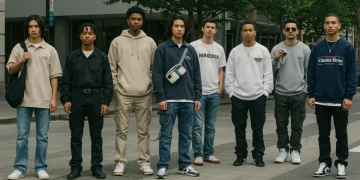
The 90s were a decade of significant cultural shifts, influencing music, art, and, undeniably, fashion. Its aesthetic was characterized by a blend of grunge’s rebellious spirit, minimalism’s understated elegance, and hip-hop’s bold confidence. In 2026, these diverse influences are converging to create a rich tapestry of styles that feel both familiar and refreshingly new.
From oversized silhouettes to iconic denim, the 90s provided a sartorial blueprint that continues to inspire. The comfort and practicality inherent in many 90s trends also resonate with today’s desire for functional yet stylish clothing, making these revivals particularly relevant for modern lifestyles.
Key 90s elements making a comeback
Several distinct aesthetics from the 90s are prominent in 2026 fashion:
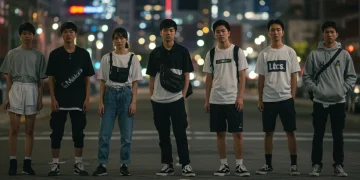
- Grunge revival: Think oversized flannel shirts, distressed denim, band t-shirts, and combat boots. This look embodies a raw, anti-establishment attitude.
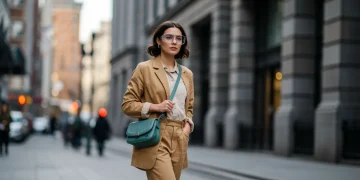
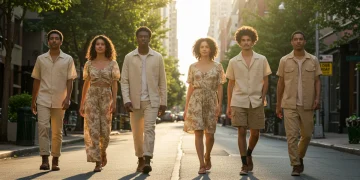
- Minimalist chic: Slip dresses, monochromatic palettes, tailored blazers, and simple, clean lines offer a sophisticated counterpoint to grunge.
- Hip-hop influence: Baggy jeans, puffer jackets, tracksuits, and chunky sneakers are back, emphasizing comfort and street style.
These elements are not being replicated exactly; rather, they are being fused with contemporary trends, resulting in hybrid styles that offer a modern twist. For example, a minimalist slip dress might be paired with chunky combat boots, or baggy jeans might be elevated with tailored accessories.
The enduring appeal of 90s fashion lies in its versatility and its ability to represent a wide range of identities. Whether embracing the rebellious edge of grunge or the sleekness of minimalism, consumers in 2026 are finding new ways to express themselves through these beloved past styles.
Early 2000s (Y2K) influence on current trends
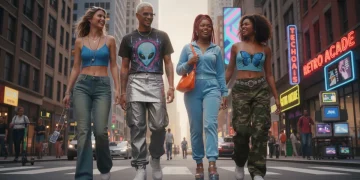
The early 2000s, often dubbed the Y2K era, brought a distinct aesthetic characterized by bold colors, low-rise everything, and a fascination with technology-inspired designs. This period, roughly from 2000 to 2004, was marked by pop culture dominance and a playful, often audacious approach to dressing. In 2026, the Y2K influence is undeniable, manifesting in renewed interest in specific garments and styling tricks.
This era’s fashion was inherently optimistic, looking forward to a new millennium with a sense of wonder and fun. That sense of carefree expression is particularly appealing now, offering an escape from current complexities and a chance to embrace a more lighthearted approach to personal style.
Defining Y2K aesthetics for 2026
The Y2K resurgence is bringing back a host of memorable trends:
- Low-rise bottoms: Jeans, skirts, and trousers sitting low on the hips are making a strong comeback, challenging the high-waisted dominance of recent years.
- Crop tops and tiny cardigans: Exposing the midriff and embracing fitted, often embellished tops are key Y2K markers.
- Shiny fabrics and embellishments: Rhinestones, glitter, metallic finishes, and patent leather are adding a playful sparkle to outfits.
- Mini skirts and dresses: The shorter the hemline, the more Y2K. These are often paired with knee-high boots or chunky platforms.
Beyond specific items, the Y2K influence is also seen in styling. Layering camisoles over t-shirts, wearing tracksuits as everyday wear, and accessorizing with baguette bags and tiny sunglasses are all hallmarks of this era making their way into contemporary wardrobes. The blend of sporty, glamorous, and slightly quirky elements defines this particular nostalgic wave.
The early 2000s fashion represents a period of unapologetic fun and self-expression. Its re-emergence in 2026 is a testament to its enduring charm and its ability to inject a much-needed dose of joy and playfulness into the current fashion narrative.

How designers are reinterpreting retro styles
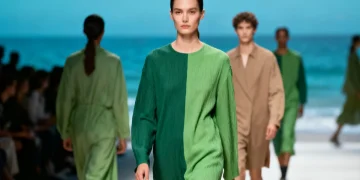
Modern designers are not simply copying past trends; they are acting as curators and innovators, taking inspiration from the 90s and early 2000s and infusing them with contemporary sensibilities. This process of reinterpretation is what makes nostalgic trends feel fresh and relevant, rather than merely costume-like. They blend familiar elements with new materials, technologies, and ethical considerations, creating pieces that resonate with today’s conscious consumer.
The challenge for designers is to strike a balance between homage and originality. They must evoke a sense of nostalgia without becoming derivative, offering something new that still taps into collective memory. This involves careful selection, thoughtful modification, and often, unexpected pairings.
Modern twists on classic silhouettes
Reinterpretation often involves subtle shifts in proportion, fabric, and detailing. For instance:
- Updated grunge: Distressed denim might be crafted from sustainable materials, and flannel shirts could feature more refined cuts or unexpected color combinations.
- Elevated Y2K: Low-rise trousers might be tailored from luxurious fabrics, and crop tops could incorporate intricate embroidery or innovative textures.
- Sustainable focus: Many designers are integrating eco-friendly practices into their nostalgic collections, using recycled materials or upcycling vintage pieces.
Furthermore, the digital age plays a significant role. Social media platforms allow for rapid dissemination and adaptation of trends, with designers and influencers alike contributing to the ongoing evolution of these retro styles. The interplay between high fashion and street style is more fluid than ever, leading to a dynamic and diverse range of nostalgic interpretations.
The art of reinterpretation ensures that while we look back for inspiration, we are always moving forward. Designers are using the past as a springboard for innovation, creating fashion that is both deeply rooted in history and boldly contemporary.
The socio-cultural factors driving nostalgia in fashion
The resurgence of 90s and early 2000s fashion is not merely a superficial trend; it’s deeply rooted in broader socio-cultural phenomena. In times of uncertainty or rapid change, people often look to the past for comfort, familiarity, and a sense of stability. Fashion, as a powerful form of cultural expression, naturally reflects these collective sentiments.
The digital age, with its constant influx of information and accelerated pace of life, can sometimes feel overwhelming. Nostalgia offers a retreat, a psychological balm that allows individuals to connect with simpler, perhaps more carefree times, even if those memories are idealized or vicarious.
Psychological comfort and escapism
Several factors contribute to this nostalgic yearning:
- Escapism: Fashion offers a way to escape current anxieties by revisiting a perceived ‘golden age’ of style and culture.
- Identity formation: Younger generations discover and adopt styles from past decades as a means of personal expression and connecting with cultural history.
- Cyclical disillusionment: A sense that contemporary trends lack originality can push consumers to seek inspiration from proven, beloved styles of the past.
Moreover, the rise of social media platforms like TikTok and Instagram has played a pivotal role in accelerating nostalgic trends. Vintage aesthetics are easily shared, remixed, and popularized, creating powerful feedback loops that amplify the appeal of past decades. Influencers and content creators become key drivers, introducing these styles to new audiences and demonstrating how to integrate them into modern wardrobes.
Ultimately, the current wave of nostalgia in fashion is a complex interplay of psychological needs, cultural memory, and digital connectivity. It’s a testament to fashion’s power to not only clothe us but also to connect us to our collective past and help us navigate our present.
Integrating nostalgic pieces into your 2026 wardrobe
Adopting nostalgic trends into your personal style for 2026 doesn’t mean dressing head-to-toe in a costume from the past. The key to successfully integrating 90s and early 2000s influences is thoughtful curation and mixing old with new. It’s about drawing inspiration and incorporating elements that resonate with your individual aesthetic, rather than simply replicating a look.
The beauty of current fashion is its fluidity and emphasis on personal expression. You can pick and choose, blending different eras and styles to create something uniquely yours. This approach ensures your wardrobe feels current and authentic, not like a direct throwback.
Tips for a modern nostalgic look
To effortlessly weave nostalgic elements into your 2026 wardrobe, consider these strategies:
- Start small: Begin with accessories like a baguette bag, chunky sneakers, or a pair of tiny sunglasses. These can instantly update an otherwise contemporary outfit.
- Mix and match: Pair a Y2K-inspired crop top with high-waisted, modern trousers, or a 90s slip dress with a contemporary oversized blazer. Contrast is key.
- Focus on one statement piece: Choose one dominant nostalgic item, such as low-rise jeans or a velour tracksuit, and build the rest of your outfit around it with modern staples.
- Prioritize fit and fabric: Even if the style is retro, ensure the garment fits well and is made from quality materials. This elevates the look and prevents it from appearing dated.
Remember that fashion is about self-expression. Experiment with different combinations, paying attention to what makes you feel confident and comfortable. The goal is to create a wardrobe that honors the past while firmly embracing the present, reflecting your unique interpretation of 2026 fashion nostalgia.
| Key Trend | Brief Description |
|---|---|
| 90s Grunge Revival | Oversized flannel, distressed denim, and combat boots making a strong, raw statement. |
| Y2K Aesthetic | Low-rise bottoms, crop tops, shiny fabrics, and playful embellishments from the early 2000s. |
| Minimalist Chic | Clean lines, monochromatic palettes, and sophisticated simplicity from the 90s. |
| Modern Reinterpretation | Designers blend retro styles with new materials, sustainable practices, and contemporary fits. |
Frequently asked questions about 2026 fashion nostalgia
These trends are returning due to fashion’s cyclical nature, typically every 20-30 years. Societal factors like a search for comfort during uncertain times and the influence of social media also play significant roles in their resurgence and reinterpretation.
Key 90s elements include grunge-inspired distressed denim, oversized flannel shirts, and combat boots, alongside minimalist slip dresses and tailored blazers, and hip-hop influenced baggy silhouettes and puffer jackets.
Y2K fashion in 2026 features updated versions of low-rise bottoms, crop tops, and shiny fabrics. Designers are using new materials and sustainable practices, blending these playful elements with more refined, contemporary styling for a fresh look.
Yes, nostalgic fashion can be sustainable. Many designers are incorporating recycled materials, upcycling vintage pieces, and promoting ethical production. Consumers can also shop second-hand or invest in durable, timeless pieces inspired by these eras.
Integrate nostalgic pieces by starting with accessories, mixing them with contemporary items, or focusing on one statement piece. Prioritize good fit and quality fabrics to ensure the look feels current and personal, not like a costume.
Conclusion
The impact of nostalgia on 2026 fashion trends is profound and multifaceted, drawing heavily from the distinct aesthetics of the 90s and early 2000s. This isn’t merely a fleeting glance backward but a thoughtful re-evaluation and reinterpretation of styles that continue to resonate with contemporary audiences. From the rebellious spirit of grunge to the playful optimism of Y2K, these past eras offer a rich palette for designers and consumers alike to explore. The cyclical nature of fashion, coupled with socio-cultural desires for comfort and escapism, ensures that 2026 fashion nostalgia will continue to evolve, blending the familiar with the innovative. Embracing these influences allows for a wardrobe that is both historically informed and uniquely modern, reflecting a dynamic conversation between fashion’s past, present, and future.