2026 Style Upgrade: 5 Fabric Care Hacks for New-Looking Clothes in US

Your 2026 Style Upgrade: 5 Fabric Care Hacks to Keep Your Clothes Looking New in the US (PRACTICAL SOLUTIONS) is essential for extending the life of your garments and maintaining a polished appearance in an evolving fashion landscape.
As we step into 2026, fashion trends are constantly evolving, but one constant remains: the desire for clothes that look fresh, feel luxurious, and stand the test of time. A true 2026 style upgrade isn’t just about what you buy; it’s about how you care for it. In the US, where sustainable practices and smart consumption are gaining traction, mastering fabric care is more important than ever. These practical solutions will empower you to preserve your wardrobe, ensuring your favorite pieces remain as vibrant and new as the day you bought them.
Understanding fabric types and their unique needs
Before diving into specific care hacks, it’s crucial to understand that not all fabrics are created equal. Each material possesses distinct characteristics that dictate its optimal care routine. Treating all garments the same way can lead to premature wear, fading, or damage, ultimately shortening their lifespan and diminishing their aesthetic appeal. In 2026, with an increasing array of innovative textiles entering the market, a foundational knowledge of fabric types is indispensable for effective garment maintenance.
Knowing your fabrics allows you to tailor your care approach, ensuring longevity and preserving the integrity of each piece. This knowledge also helps you make more informed purchasing decisions, selecting garments that align with your lifestyle and maintenance preferences.
Natural fibers: cotton, linen, wool, and silk
Natural fibers are derived from plants or animals and typically offer breathability, comfort, and unique textures. However, their organic nature often means they require specific handling to prevent shrinkage, stretching, or damage.
- Cotton: Durable and versatile, cotton can often withstand machine washing in warm water. However, colored cottons may bleed, and excessive heat can cause shrinkage.
- Linen: Known for its strength and absorbency, linen wrinkles easily but becomes softer with each wash. It’s best washed in cool water and air-dried to prevent stiffness.
- Wool: Delicate and prone to shrinkage with heat, wool should typically be hand-washed or dry-cleaned. Lay flat to dry to maintain its shape.
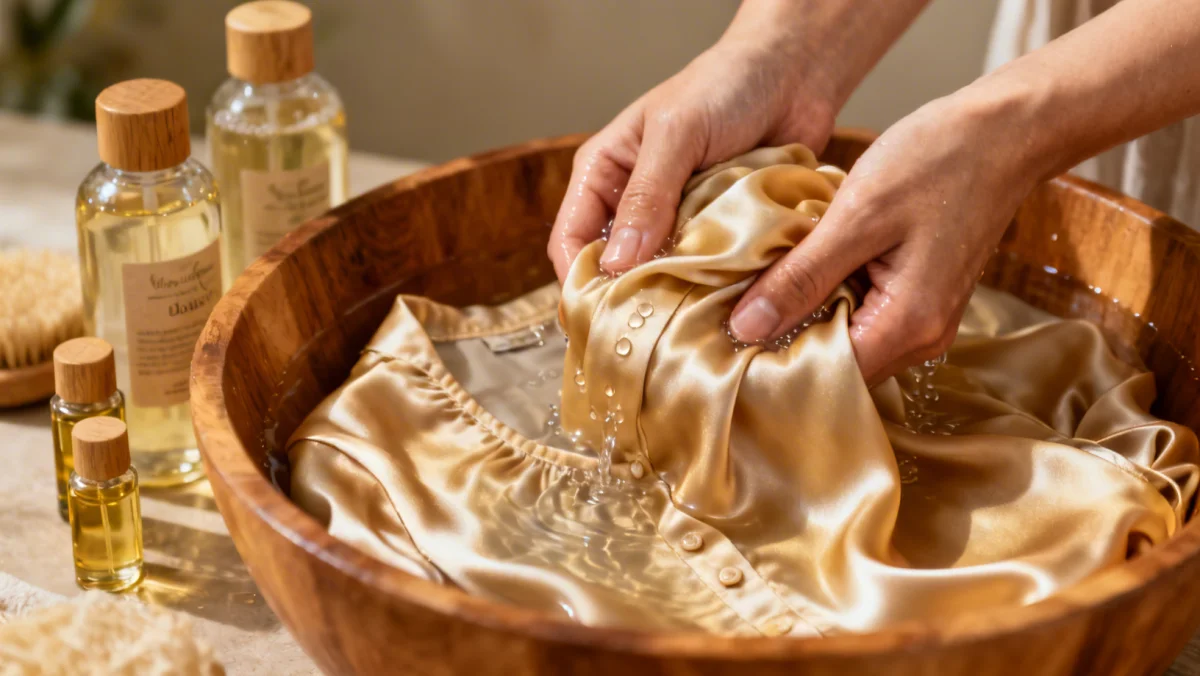
- Silk: Luxurious and delicate, silk requires gentle hand-washing in cold water with a mild detergent. Avoid wringing and direct sunlight, which can damage the fibers.
Each natural fiber offers its own set of benefits and challenges. By respecting their inherent properties, you can significantly extend the life and beauty of your garments. Proper care not only maintains their appearance but also their functional qualities, such as breathability in cotton or warmth in wool.
Mastering the art of pre-treatment and stain removal
Stains are an inevitable part of life, but their impact on your wardrobe doesn’t have to be permanent. Effective pre-treatment and timely stain removal are critical for keeping your clothes looking new. Ignoring a stain or treating it incorrectly can set it permanently, rendering the garment unwearable. In 2026, with advanced stain removal products and techniques, there’s no reason to let a minor spill ruin a favorite outfit.
The key to successful stain removal lies in acting quickly and understanding the nature of the stain. Different types of stains respond to different treatments, and a one-size-fits-all approach can often make matters worse. Always test any stain remover on an inconspicuous area of the garment first to ensure it doesn’t cause discoloration or damage.
Targeted stain solutions
Knowing which products to use for specific stains can save your clothes. From grease to ink, there’s usually a targeted solution available.
- Grease and oil: Apply a small amount of liquid dish soap directly to the stain, gently rub, and let it sit for 15-30 minutes before washing.
- Red wine: Blot the stain immediately, then cover with salt to absorb moisture. Rinse with cold water and treat with a stain remover or a mixture of hydrogen peroxide and dish soap.
- Ink: For fresh ink stains, place a paper towel under the stain and dab with rubbing alcohol or hand sanitizer. Continue blotting until the ink transfers to the towel.
- Coffee and tea: Rinse with cold water, then apply a mixture of white vinegar and water or a specialized stain remover.
Beyond commercial products, many household items can serve as effective stain removers. Baking soda, white vinegar, and lemon juice are natural alternatives that can tackle a variety of common stains without harsh chemicals. Always remember to rinse thoroughly after pre-treatment and wash according to the garment’s care label. Prompt action and the right technique are your best allies in maintaining pristine clothing.
Revolutionizing your laundry routine for longevity
Your regular laundry routine plays a significant role in the lifespan and appearance of your clothes. Many common laundry habits, while seemingly convenient, can actually accelerate wear and tear, leading to faded colors, stretched fabrics, and diminished quality. In 2026, optimizing your wash cycle, detergent choices, and drying methods is paramount for a truly sustainable and stylish wardrobe.
A thoughtful laundry approach not only preserves your garments but also saves energy and water, aligning with modern eco-conscious values. Small adjustments to your routine can yield significant long-term benefits for both your clothes and the environment.
Smart washing and drying techniques
Adopting smarter washing and drying habits can dramatically improve the longevity of your clothes.
- Sort meticulously: Separate clothes by color, fabric type, and level of dirtiness. This prevents color bleeding and ensures each garment receives the appropriate treatment.
- Use cold water: Washing in cold water saves energy and is gentler on most fabrics, preventing shrinkage and color fading. Modern detergents are highly effective in cold water.
- Choose the right detergent: Opt for detergents formulated for your specific needs, such as color-safe, delicate, or high-efficiency options. Avoid using too much detergent, as it can leave residue.
- Delicate cycles: Reserve the delicate or hand-wash cycle for fragile items like silk, lace, or embellished garments.
When it comes to drying, air-drying is often the best choice for preserving fabric integrity and reducing energy consumption. High heat from tumble dryers can damage fibers, cause shrinkage, and fade colors. If using a dryer, opt for lower heat settings and remove clothes while slightly damp to minimize wrinkles and over-drying. Investing in a good drying rack or clothesline is a simple yet effective way to protect your garments and extend their life.
The power of proper storage and organization
Beyond washing, how you store and organize your clothes has a profound impact on their condition. Improper storage can lead to wrinkles, stretching, dust accumulation, and even pest damage, all of which detract from the ‘new’ look of your garments. In 2026, with smaller living spaces and a greater appreciation for curated wardrobes, efficient and protective storage solutions are essential.
A well-organized closet not only makes it easier to find what you need but also protects your investments. Thinking strategically about how and where you store each type of garment can prevent common issues and keep your clothes ready to wear.
Optimizing your closet and drawers
Different garments require different storage methods to maintain their shape and fabric integrity.
- Hanging vs. folding: Hang items that are prone to wrinkling or stretching, such as dresses, blouses, and tailored trousers. Fold knitwear, sweaters, and t-shirts to prevent shoulder bumps and stretching.
- Proper hangers: Use padded or wooden hangers for delicate items and tailored jackets to maintain their shape. Avoid wire hangers, which can distort garments over time.
- Seasonal storage: Store off-season clothes in breathable garment bags or sealed containers in a cool, dry place. Ensure clothes are clean before storing to prevent mildew and pest attraction.
- Drawer dividers: Utilize drawer dividers or folding techniques like the KonMari method to keep folded items neat, visible, and less prone to wrinkling.
Consider environmental factors in your storage areas. Humidity can lead to mildew, while direct sunlight can cause fading. Ensure adequate air circulation and use cedar blocks or lavender sachets as natural pest deterrents. By implementing these thoughtful storage practices, you safeguard your clothes from deterioration, ensuring they look pristine and are ready for any occasion.
Embracing repair and mindful consumption
In 2026, a significant shift in fashion culture emphasizes longevity and sustainability over fast fashion. Repairing clothes rather than replacing them is a powerful hack for keeping your garments looking new and extending their lifespan. This approach not only reduces waste but also fosters a deeper appreciation for your wardrobe. Mindful consumption, coupled with basic repair skills, becomes a cornerstone of a truly modern and responsible style.
The act of mending a torn seam or replacing a missing button transforms a potentially discarded item into a cherished piece. This not only saves money but also contributes to a more sustainable fashion ecosystem, aligning perfectly with the values of 2026.
Simple repairs and conscious choices
Learning a few basic repair techniques can make a huge difference in maintaining your wardrobe’s condition.
- Basic sewing skills: Learn how to sew on a button, mend a small tear, or reattach a loose hem. These simple fixes can rescue many garments.
- Fabric patching: For larger holes or worn areas, especially on denim or casual wear, fabric patches can add a unique, personalized touch while extending the garment’s life.
- Professional alterations: For more complex repairs or to achieve a perfect fit, don’t hesitate to consult a professional tailor. A well-fitting garment always looks newer and more polished.
- Mindful purchasing: Invest in high-quality items made from durable fabrics that are designed to last. Consider the garment’s care requirements before buying.
Beyond repairs, mindful consumption encourages you to think critically before making a purchase. Ask yourself if you truly need the item, if it aligns with your existing wardrobe, and if you’re prepared to care for it properly. By prioritizing quality, versatility, and repairability, you build a wardrobe that is not only stylish and current but also sustainable and enduring. This holistic approach ensures that your 2026 style upgrade is both fashionable and environmentally responsible.
| Key Fabric Care Hack | Brief Description |
|---|---|
| Fabric Knowledge | Understand specific care needs for natural and synthetic fibers to prevent damage. |
| Stain Pre-treatment | Act quickly and use targeted solutions for effective removal without setting stains. |
| Optimized Laundry | Sort, use cold water, and air-dry to preserve fabric integrity and color. |
| Smart Storage | Properly hang or fold items, using appropriate hangers to maintain shape and prevent damage. |
Frequently asked questions about fabric care in 2026
The most crucial hacks include understanding specific fabric needs, mastering stain pre-treatment, optimizing your laundry routine with cold water and air-drying, implementing smart storage solutions, and embracing repair and mindful consumption. These practices collectively extend garment lifespan and maintain pristine appearance.
To prevent fading and stretching, wash clothes in cold water on gentle cycles, avoid harsh detergents, and air-dry whenever possible. For items that must be machine dried, use low heat. Proper folding for knits and using padded hangers for delicate items also significantly helps maintain their original shape and color.
Yes, many eco-friendly detergents are highly effective for various fabric types in 2026. Formulations have advanced to provide excellent cleaning power in cold water while being gentle on fabrics and the environment. Always check product labels for specific recommendations and suitability for delicate materials.
Store seasonal clothing clean and dry in breathable garment bags or sealed containers in a cool, dark, and dry place. Avoid plastic bags that trap moisture. Adding cedar blocks or lavender sachets can deter pests and keep clothes smelling fresh throughout the off-season, ready for their next wear.
Repairing clothes is a key aspect of a 2026 style upgrade by extending the life of garments, reducing waste, and promoting sustainable fashion. Mending items like replacing buttons or fixing seams ensures your wardrobe remains intact and presentable, reflecting a conscious and refined approach to personal style.
Conclusion
Embracing these five fabric care hacks is more than just a chore; it’s an investment in your wardrobe and a commitment to sustainable living in 2026. By understanding fabric types, mastering stain removal, revolutionizing your laundry routine, optimizing storage, and championing repair and mindful consumption, you not only keep your clothes looking new but also contribute to a more responsible fashion future. These practical solutions ensure your style remains impeccable, reflecting both your aesthetic sensibilities and your environmental awareness. Make these hacks a part of your daily routine and enjoy a wardrobe that consistently looks its best, year after year.